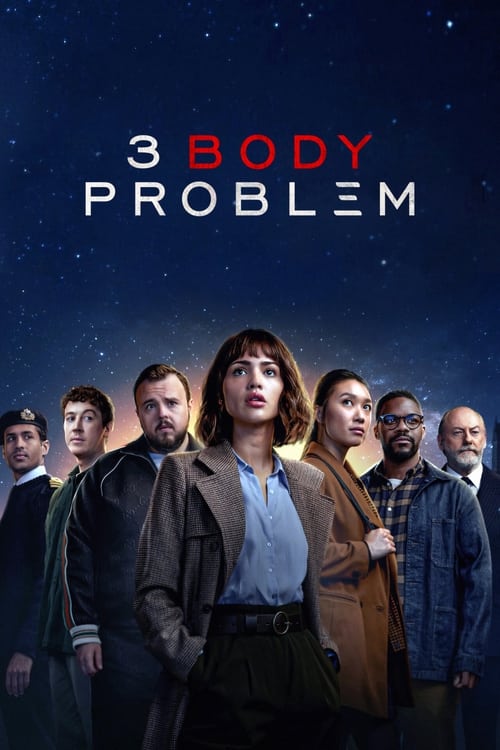
3 Body Problem (2024)
Netflix translates Liu Cixin's universe into English
by 10days1movie · Published 2026-07-14
| Type | Series |
|---|---|
| Director | Derek Tsang, Minkie Spiro, Jeremy Podeswa |
| Cast | Benedict Wong, Jess Hong, Eiza González |
| Release | 2024 |
| Genre | Sci-Fi, Mystery, Drama |
| Runtime | 60min |
Liu Cixin’s novel The Three-Body Problem captures a story about physics, history, and the end of civilization on a vast scale. This English-language Netflix adaptation, produced by the Game of Thrones team, preserves the core of the source material while reconfiguring it in a way that feels familiar to Western audiences. It’s a work that asks a degree of compromise from both fans of the original and new viewers.
What it’s about — An English adaptation of Liu Cixin’s original
The story begins with a scientist during China’s Cultural Revolution sending a signal to an alien civilization. Decades later in the present, scientists around the world begin dying in inexplicable ways, and a team including nanotechnology researcher Jin Cheng pursues the case. The source material is Liu Cixin’s SF novel The Three-Body Problem; the Netflix version was released in March 2024. A Chinese drama adaptation (2023) based on the same novel also exists, and the two take very different approaches to the adaptation.
Direction — Compressing an immense universe into images
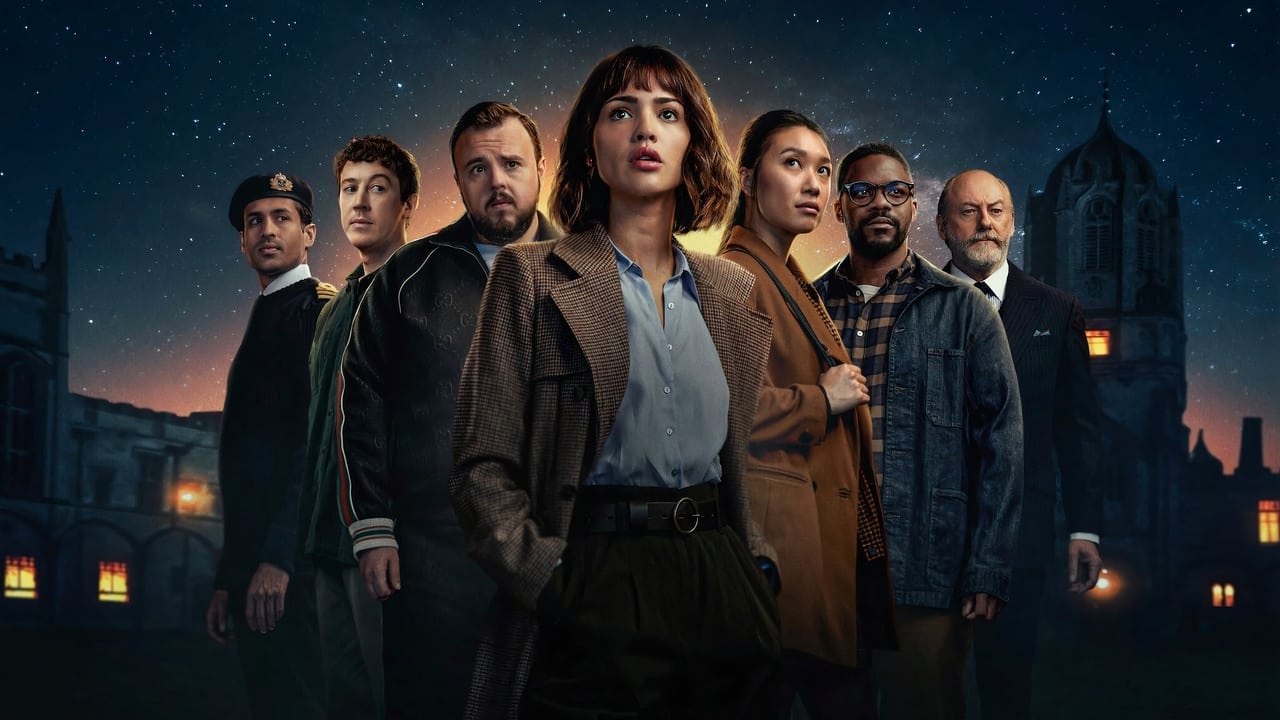
Coming from the Game of Thrones production team, the visual polish and scale are high. The transitions between scenes inside the virtual reality game and the real world are effective, and the attempt to visualize the series’ core physics concept — the three-body problem — is intriguing. A brisk pace allows the sprawling world of the SF novel to be conveyed while maintaining the dramatic tension of a TV series. The spatial construction that moves between China and the UK dramatically expands the scope of the story.
Performance & characters — An ensemble that drives the chase
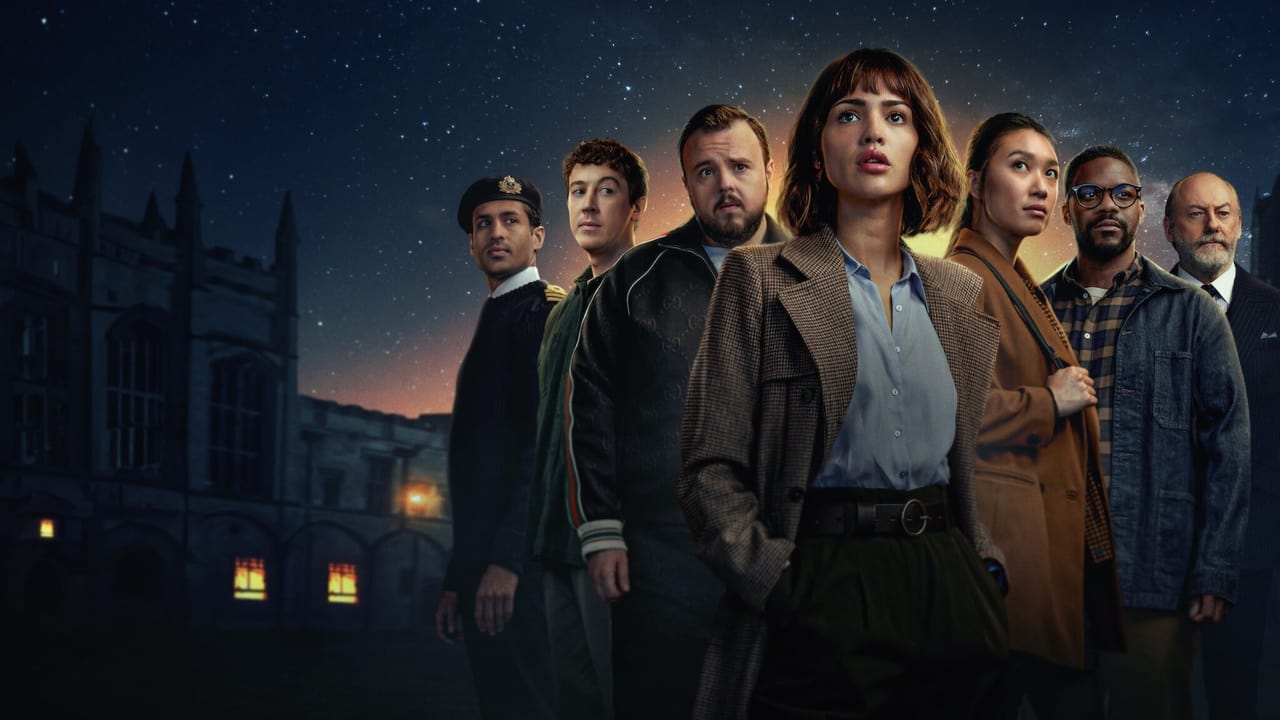
Benedict Wong brings stability to his role as the police officer coordinating events at the center. It’s a role that connects various characters as a hub rather than diving in directly, and he maintains his presence without going overboard. The character Jin Cheng, played by Jess Hong, is a contemporary reinterpretation of a central figure from the source, expressing both SF-scale terror and personal grief simultaneously. The ensemble formed by Eiza González, Jovan Adepo, and John Bradley has good energy with distinct personalities, carrying the story through the second half.
What the work says — How we react when we’re not alone in the universe
The central question of Three-Body Problem is how humanity reacts when it learns it is not alone in the universe. Fear, surrender, resistance, and hope are each expressed through individual characters. The structure in which humanity’s capacity for violence, embodied in the Cultural Revolution, mirrors the threat sent by an alien civilization was the core of the original work — and the Netflix version tries not to lose the weight of that structure. The question of whether humanity might be capable of self-destruction is conveyed concretely and convincingly through the SF setting.
Ratings & reception
IMDb score is 7.5. TMDB score is 7.5. Among fans of the original, there are reservations about the Westernized adaptation, but many agree that it’s perfectly enjoyable as a standalone SF drama. It stayed in the top ranks of Netflix’s global viewing charts during its run.
What doesn’t work
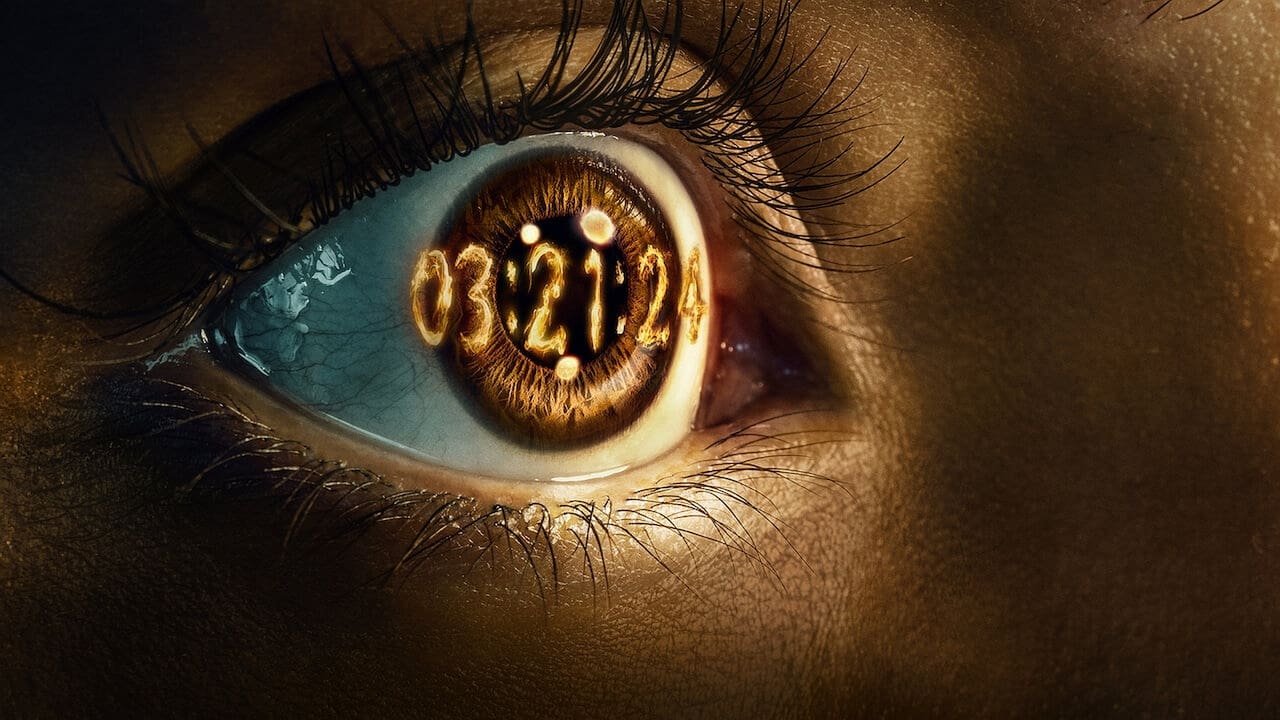
The decision to replace most of the original Chinese characters with Western ones is divisive. The historical context of the Chinese Cultural Revolution is included in the drama, but the weight it carries in the original feels somewhat diluted. Additionally, compressing the long journey of the source novel into eight episodes means some world-building is handled quickly, which may not fully convey everything to viewers unfamiliar with the novels.
Verdict
Rating: ★4.0. It’s an SF drama you can enter without knowing the source novel, and it has value simply because few dramas tackle ideas on this scale. With a second season to come, it’s a work that leaves you eager for what’s next. Given how difficult it is to adapt the original’s civilization-spanning scale to television, the Netflix version handles those difficulties quite well. For viewers encountering Liu Cixin’s world for the first time, it serves as a solid introduction — and a work that makes you want to read the original novels.
Recommended for
- Fans of hard SF and large-scale cosmic stories
- Those with an interest in Liu Cixin’s source novels
- Fans of Game of Thrones-style ensemble dramas
Comments