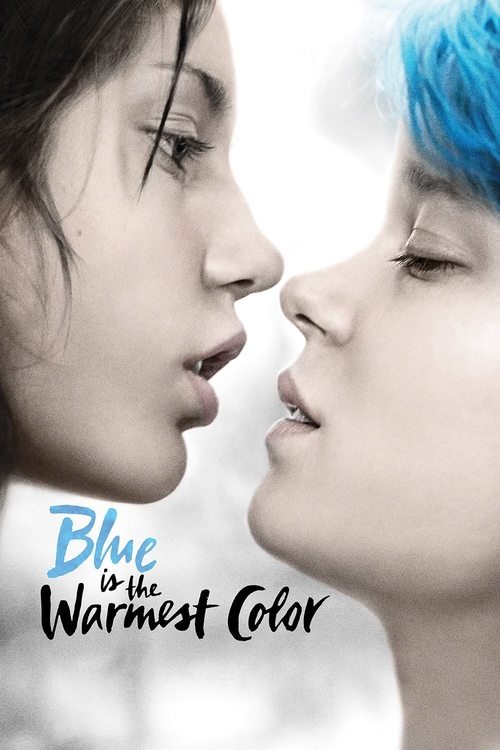
Blue Is the Warmest Colour (2013)
That's how love began, and ended
by 10days1movie · Published 2026-06-19
| Type | Movie |
|---|---|
| Director | Abdellatif Kechiche |
| Cast | Adèle Exarchopoulos, Léa Seydoux, Salim Kechiouche |
| Release | 2013 |
| Genre | Romance, Drama |
| Runtime | 179min |
I can’t remember recently seeing a film that captured the elation of love’s beginning, and the ruined feeling when it breaks, as rawly as this one does. Blue Is the Warmest Colour accompanies a young woman’s first love and its end across 179 minutes almost in real time. The direction approaches uncomfortably close, and the actors endure that closeness. My rating is ★4.5. Hard to watch but long to linger.
What it’s about — A first love crowned with the Palme d’Or
High school student Adèle (Adèle Exarchopoulos) is powerfully drawn to Emma (Léa Seydoux), a fine arts student with blue hair, when she sees her one day. The two meet, fall in love, and live together — but as time passes, their worlds grow increasingly different. The source is the French graphic novel Le bleu est une couleur chaude, and the film won the Palme d’Or at the 2013 Cannes Film Festival. It is the rare case of the Palme d’Or being awarded not to a single director but to the director and both lead actresses jointly.
Direction — Uncomfortably close close-ups
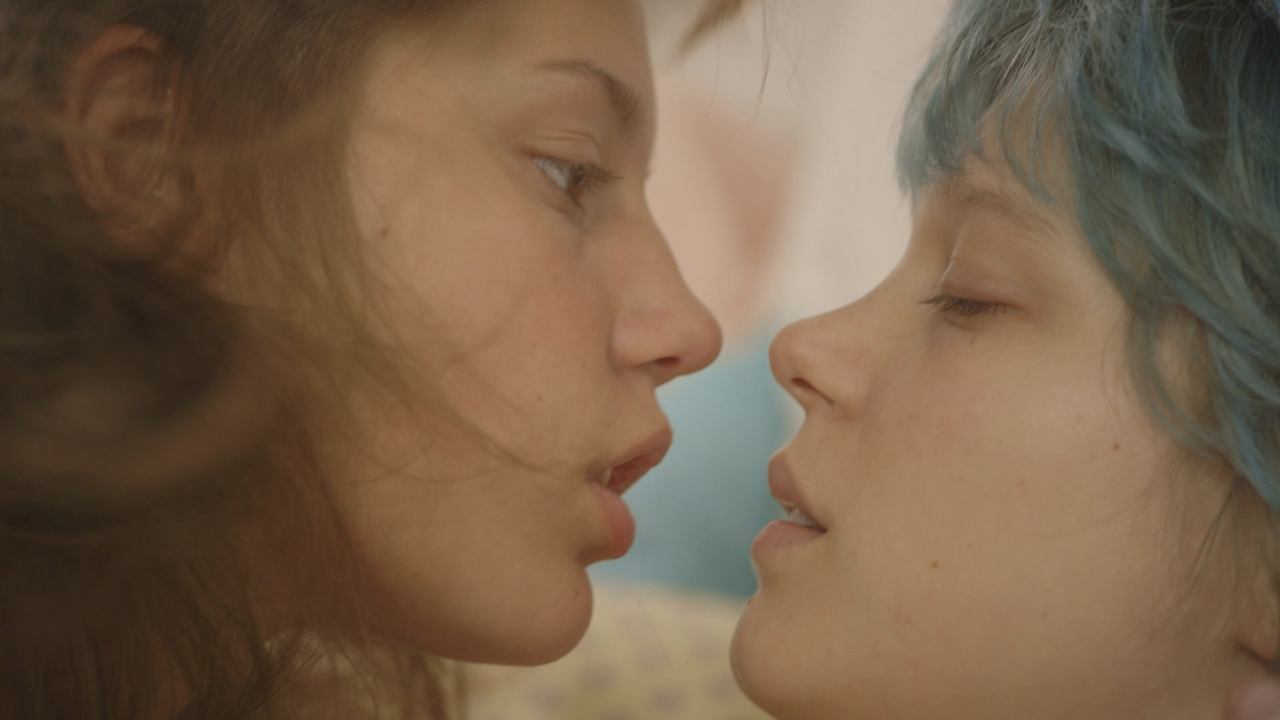
Director Kechiche uses the extreme close-up to an extreme degree. The camera follows Adèle’s face, tears, and even scenes of eating food persistently. This method is uncomfortable at first, but it progressively creates the effect of being pulled into Adèle’s emotional state. Much of the shooting is handheld, shaky and rough, but that texture suits the confused energy of love well. The two actors’ faces are the film’s main backdrop rather than wide-open scenery.
179 minutes is undeniably long. But Kechiche judged that this length was necessary, and the method of not skipping over each stage has the effect of completing the emotion at the ending. The image of Adèle walking away alone in the final scene reaches an emotional height that 179 minutes of time makes achievable.
Performance — Raw, unfiltered emotional acting
Adèle Exarchopoulos was 18 at the time. It is remarkable that she achieved this depth of emotional acting at that age. Almost every scene involving Adèle is raw — joy, jealousy, shame, and despair all shown without excessive tidying. Léa Seydoux naturally and attractively inhabits Emma, an artist with self-awareness, and the chemistry the two actors create sustains the entire film. The scenes where the two converse over meals, and scenes where silence falls, stay strongly in the memory.
What the film says — A story of love and of growing up
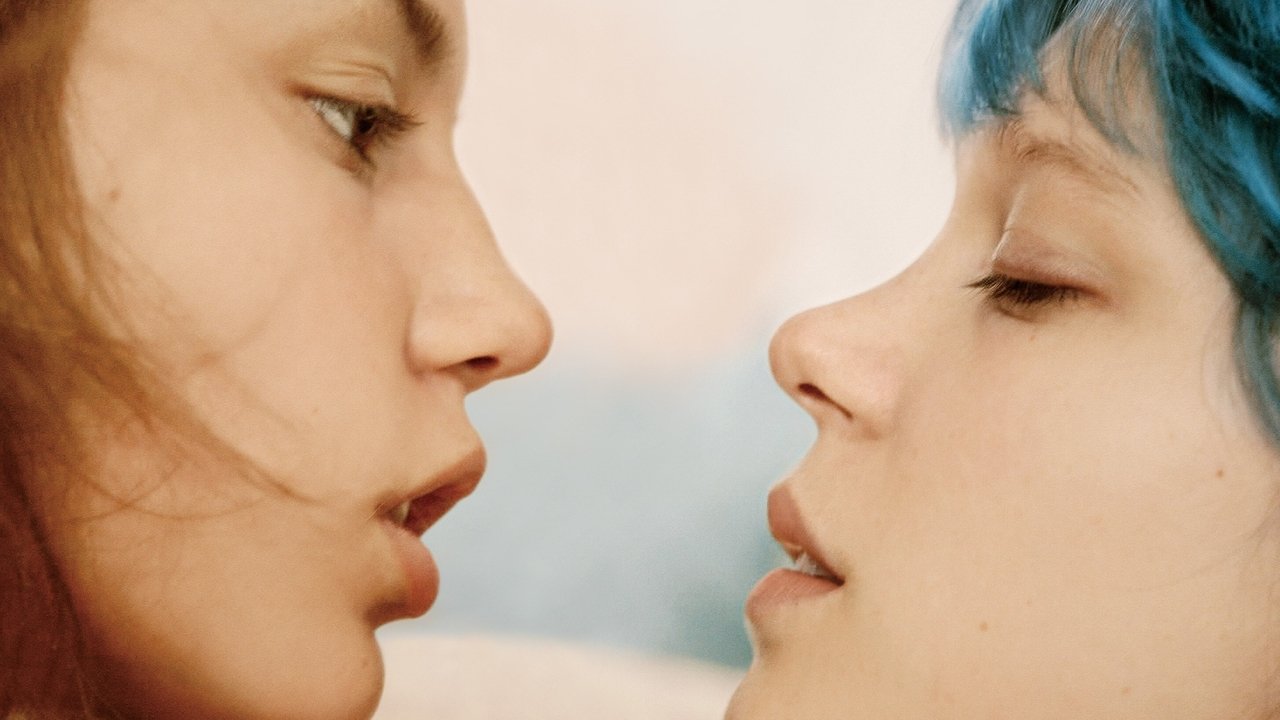
The film focuses less on sexuality than on love itself, and on the fractures in a relationship caused by class and intellectual difference. Adèle wants to live as an elementary school teacher; Emma moves toward the art world. The gap between the two becomes sharper as the love cools. The reason this film is both a love story and a coming-of-age story is that it shows Adèle discovering who she is through love and then having to live what comes after.
Ratings & reception
Beyond the Cannes Palme d’Or, IMDb score is 7.6, and Rotten Tomatoes freshness is 88%, with sustained critical praise. Adèle Exarchopoulos won the César Award for Best Actress. There are also publicly known accounts of conflict between the two actresses and the director during filming, which is discussed separately from the film’s reception.
What doesn’t work
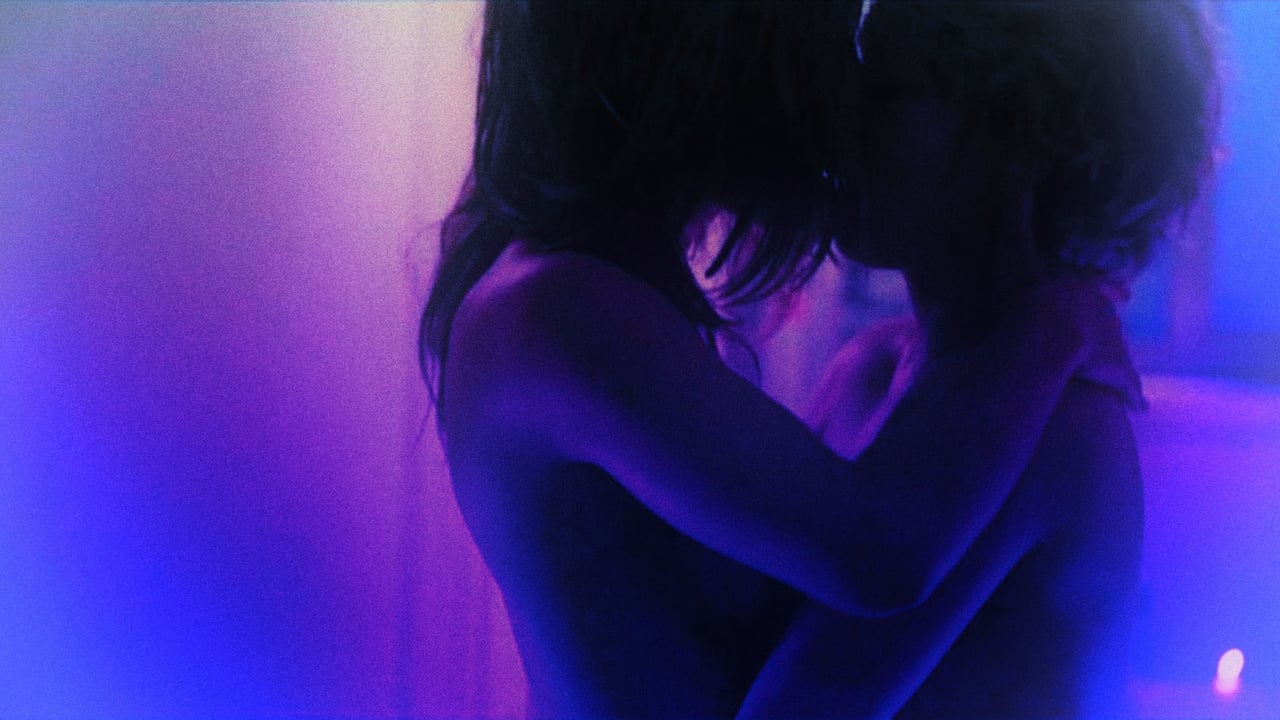
179 minutes can be excessive for some viewers. Some scenes in the middle portion in particular could have been more edited. The volume and nature of the intimate scenes drew controversy, and the publicly stated accounts from the director and actresses created an uncomfortable context outside the film. This is worth knowing before approaching it.
Verdict
Uncomfortable, long, and it gets close. But that discomfort is the film’s essence. Films that look this closely at the process of love arriving and departing are not common. The emotional truth created by the two actresses will remain a standard for a long time after. ★4.5.
Recommended for
- Those who want a film that captures the beginning and end of love raw and unfiltered
- Those with an interest in Cannes Palme d’Or winners
- Those who want deep romance and are willing to commit to a long runtime
Comments