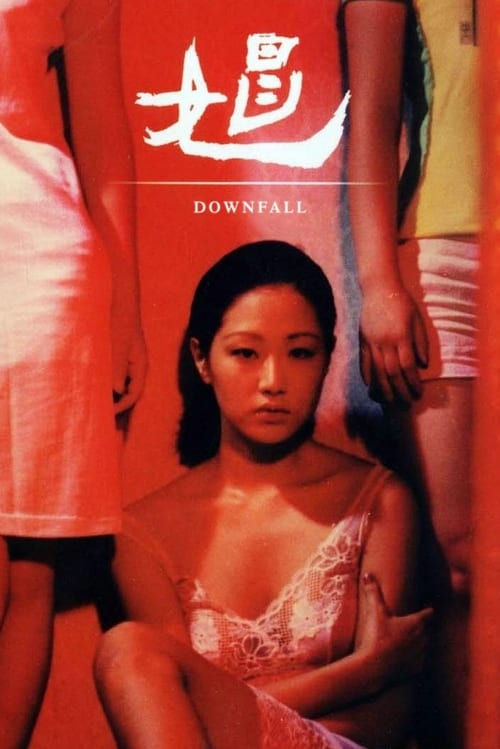
Chang (1997)
Im Kwon-taek records decades in one woman's life
by 10days1movie · Published 2026-08-31
| Type | Movie |
|---|---|
| Director | Im Kwon-taek |
| Cast | Shin Eun-kyung, Han Jung-hyeon, Jeong Kyeong-sun |
| Release | 1997 |
| Genre | Drama |
| Runtime | 105min |
Director Im Kwon-taek’s Chang is a work recording decades in one woman’s life, swept into the city during the tide of South Korea’s 1970s industrialization. My rating is ★4.0. Quiet and slow, but the weight it leaves behind lingers.
What it’s about — One woman’s chronicle in the industrialization era
At the age of seventeen, a woman leaves the countryside for Seoul and is absorbed into the sex industry on the urban margins. As the pace of economic development accelerates, she continues a life bound by poverty, debt, and her body. Decades pass, and she lives longing for the buckwheat-flower fields of her hometown. The story follows one character’s chronicle while capturing the transformation of Korean society as a whole in the background. The title Chang (窓) means window. A space where you can look out but cannot leave directly. This symbol interlocks with the character’s circumstances and repeats throughout the film. She is always within someone else’s space, and cannot define the boundaries of that space herself.
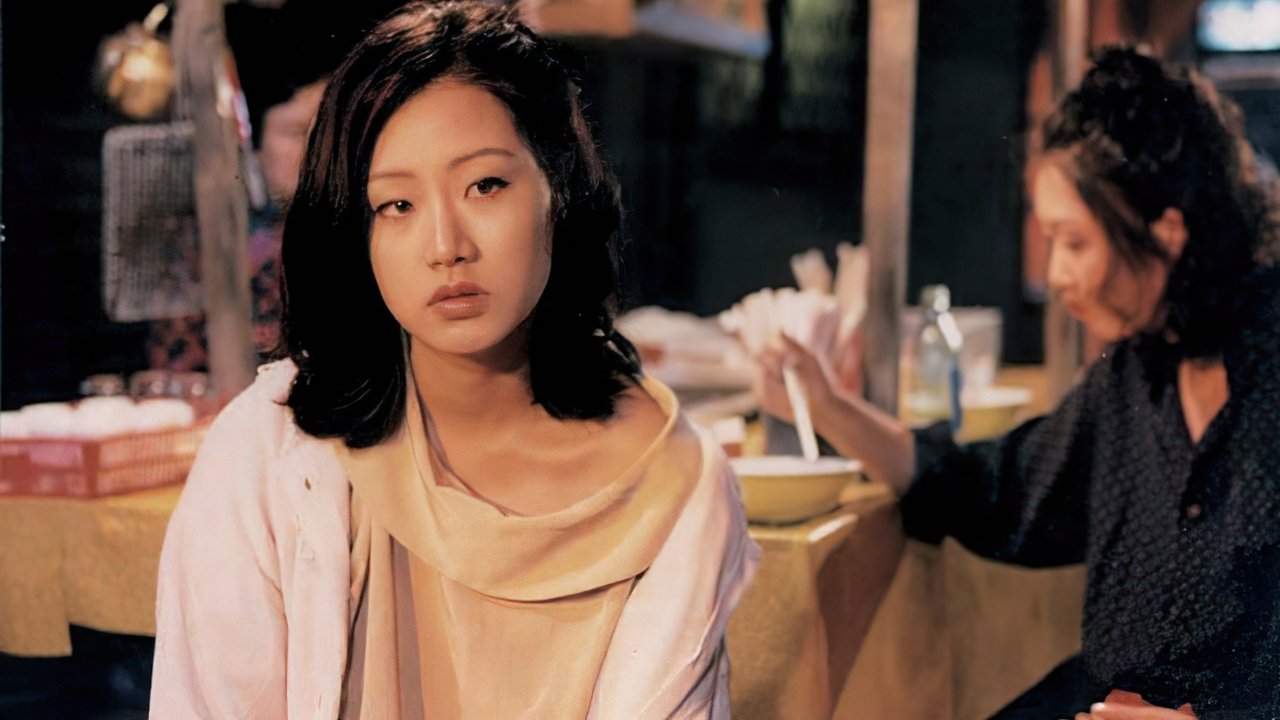
Direction — Distance that records instead of judging
Im Kwon-taek neither accuses nor exploits. The camera follows the protagonist’s life in a contemplative mode, recording rather than judging. That distance paradoxically makes more visible. The non-flashy composition and natural light-centered shooting comes close to the texture of actual life.
Performance — Shin Eun-kyung, decades stored in her body
Shin Eun-kyung covers the long span from girl to middle-aged woman. Without large emotional outbursts, her acting method of containing the interior gives weight to the character’s entire life. The changes in expression and body language with each era are convincing. Rather than flashy or dramatic acting scenes, the method of accumulating the weight of everyday life on her body perfectly aligns with director Im Kwon-taek’s directorial approach. Shin Eun-kyung’s acting in this film was recognized when it received award nominations that year.
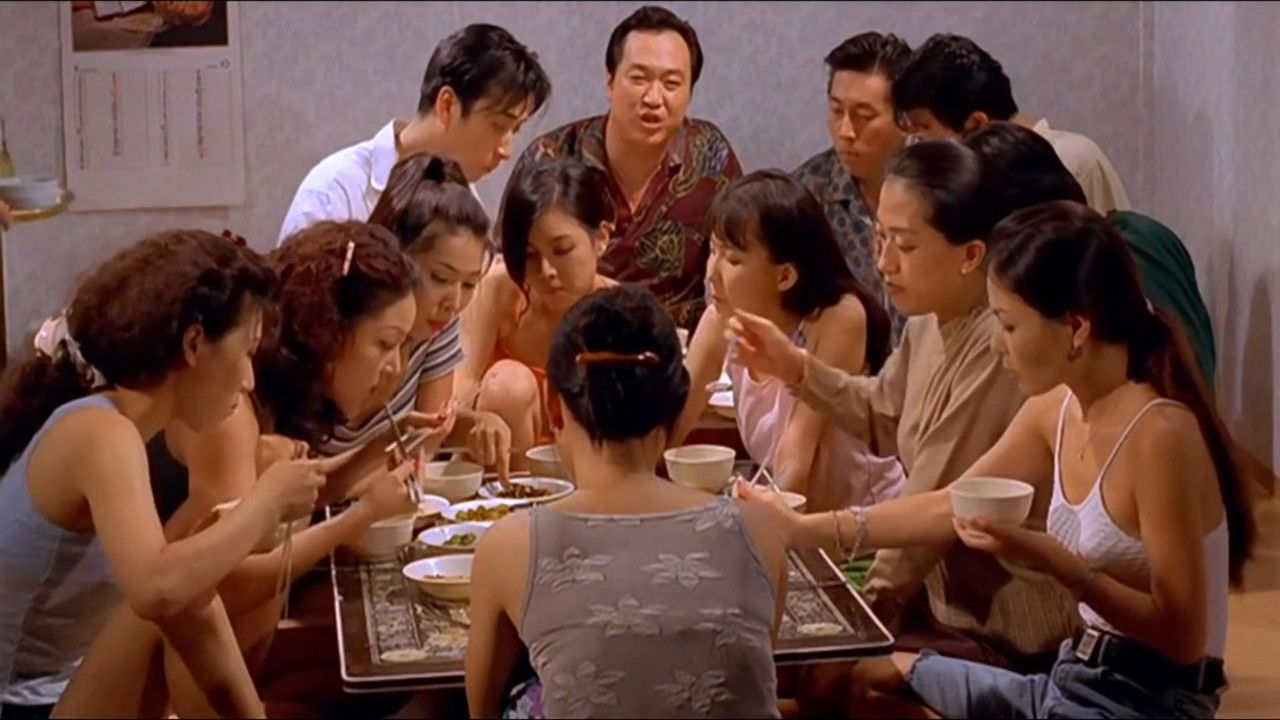
What the film says — An individual tragedy and the structure of an era
What Chang records is simultaneously an individual’s tragedy and a structural problem of an era. Industrialization drew many people to the cities, and the film calmly shows the routes through which women were placed where they ended up within that process. The buckwheat field imagery repeating throughout the film connects not as simple background but as something linked to the last remnant of the protagonist’s own self — and that is what leaves an impression.
Ratings & reception
It is not a widely known work domestically or internationally, but it is consistently mentioned within Im Kwon-taek’s filmography. TMDB score is 5.3, but this is due to very few reviews being entered. IMDb score is 6.4 with not many reviews, and there are voices that value it highly as a social document characteristic of Im Kwon-taek films.
What doesn’t work
The slow pace and linearly unfolding narrative may not suit all audiences. There are almost no entertainment elements and no dramatic climax. What you expect from this film will greatly shape the experience. The fact that a legitimate streaming path or easy viewing route is currently hard to find domestically or internationally is also one of the reasons this film hasn’t become better known. Audiences interested in director Im Kwon-taek’s work can find it worth seeking out through DVD or special screening routes.
Verdict
A work with the characteristic weight of director Im Kwon-taek. The method of recording a cross-section of a specific era of Korean society through a single character operates quietly but powerfully. In this period, Im Kwon-taek had been working to record modern Korean history in film through Sopyonje (1993), Taebaek Mountains (1994), and on to Chang (1997). Chang records particularly calmly within that flow how women’s lives and bodies become entangled with economic structures. He would later win the Best Director prize at Cannes with Chihwaseon (2002). I recommend it to audiences prepared to sit with slow pacing, and to those who wish to understand Im Kwon-taek’s place in Korean film history. ★4.0.
Recommended for
- Those with an interest in director Im Kwon-taek’s body of work
- Fans of Korean films set in the 1970s–80s social context
- Those who enjoy quiet, contemplative dramatic films
Comments