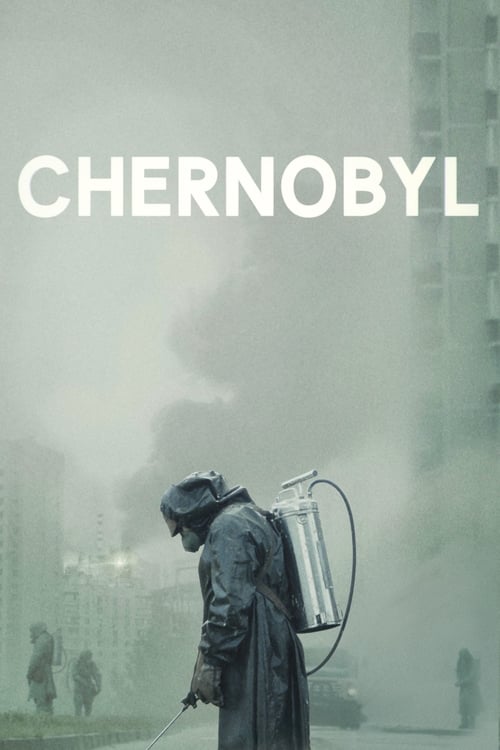
Chernobyl (2019)
History's testimony asking the price of lies
by 10days1movie · Published 2026-07-23
| Type | Series |
|---|---|
| Director | Johan Renck |
| Cast | Jared Harris, Stellan Skarsgård, Emily Watson, Paul Ritter, Jessie Buckley |
| Release | 2019 |
| Genre | Drama, History, Thriller |
| Runtime | 65min |
On April 26, 1986, Reactor No. 4 of the Chernobyl Nuclear Power Plant in Pripyat, Ukraine in the Soviet Union exploded. The HBO miniseries Chernobyl, which dramatizes that accident, was recognized upon release in 2019 as one of the greatest TV series of all time. Five episodes total, produced by HBO and Sky UK, directed by Johan Renck.
What it’s about — Five episodes of disaster response and lies
Nuclear physicist Legasov (Jared Harris) is dispatched to the site immediately after the accident to grasp the scale and cause of the explosion. Beside him is Soviet senior official Shcherbina (Stellan Skarsgård), and fictional scientist Khomyuk (Emily Watson) pursues the truth. The drama closely reconstructs across five episodes the disaster response process, the Soviet system’s concealment and lies, and the enormous price those lies exacted.
Direction — Visualizing invisible radiation
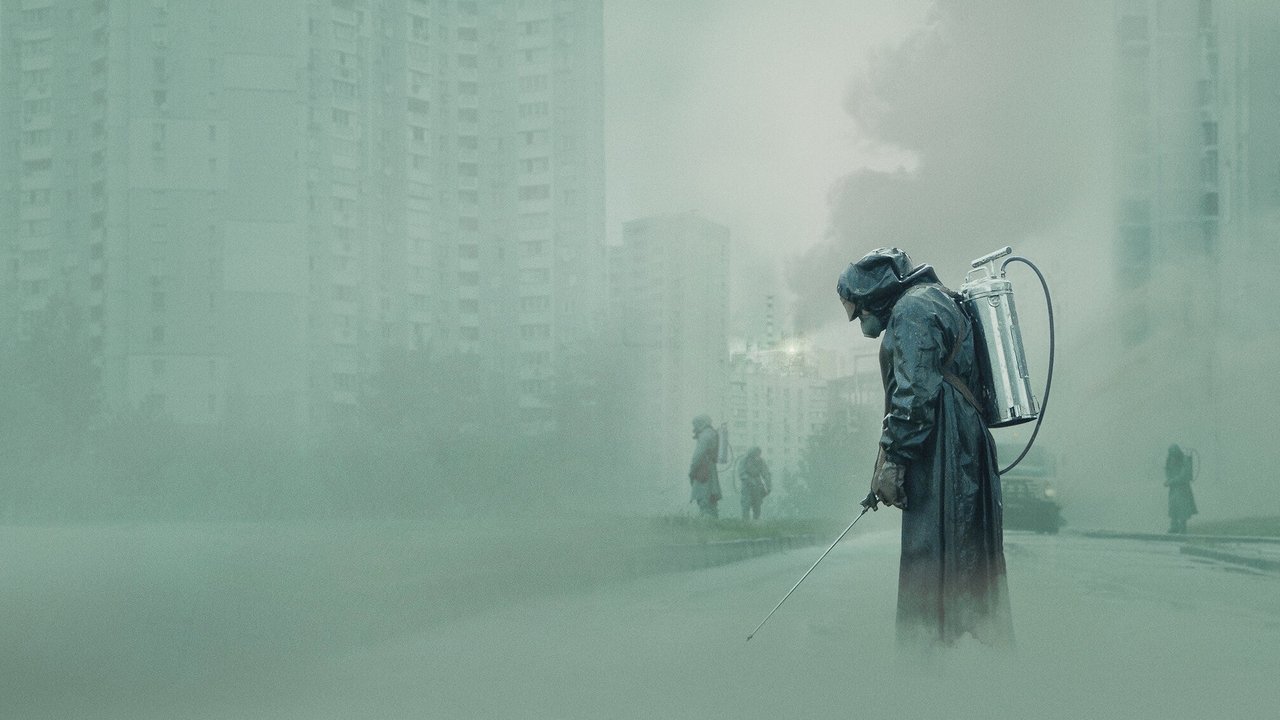
Director Johan Renck is famous for the faithfulness of his reconstruction. The Soviet-era buildings, equipment, costumes, and language (English performances but with a deliberate absence of Russian accent or linguistic direction) are historically accurate. The method of visualizing radiation as an invisible threat is distinctive. Without showing radiation directly on screen, its presence is made felt through the reactions and behavior of the characters. The roof-clearers scene in Episode 2 and the courtroom scene in Episode 5 are the most memorable portions of this drama.
Performance & characters — Legasov and Shcherbina, breaking down
Jared Harris’s Legasov is the axis that carries the entire series. He plays a scientist who knows the truth but cannot speak it within a system that won’t let him, gradually being worn down, with restrained emotion. Stellan Skarsgård’s Shcherbina initially defends the system but slowly confronts reality — the relationship between the two actors creates the drama’s emotional center. Paul Ritter, who plays engineer Dyatlov, present at the power plant on the night of the accident, also delivers a pressure that rivals war films.

What the work says — The price that lies exact
Chernobyl’s central message is spoken directly in the courtroom scene of the final episode. The cost of lies is far greater than the cost of truth. The reason the Soviet system enlarged the accident is not only the reactor flaw but the structural lie that couldn’t admit mistakes. This message does not apply only to the specific Soviet system. It reads as a warning about any system that prevents truth from being spoken before authority.
Ratings & reception
IMDb score is 9.3, maintaining a top position on the list of highest-rated TV series of all time. It won ten Emmy categories, including Best Director and Best Limited Series/Movie. Critics gave it unreserved praise as one of the greatest TV miniseries ever made, and countless viewers found the series a catalyst to seek out historical materials about the Chernobyl accident.

What doesn’t work
The premise of Soviet characters performing in English may feel unfamiliar at first. The character Khomyuk, played by Emily Watson, is not a real person but a fictional composite character created for dramatic purposes — this may be a point of contention for viewers who place great importance on historical fidelity. The stories covered across all five episodes are also heavy enough to require some mental preparation.
Verdict
Chernobyl is an exemplary work demonstrating what it means to make a historical event into a TV drama. The fidelity of reconstruction, the depth of character, and the clarity of message are all aligned. After the five episodes end, this drama remains in the mind for some time. A drama that makes you think about the cost of lies. After the series’ release the production team published detailed production notes and a podcast for each episode — reading those afterward makes you appreciate afresh just how thoroughly researched a work this is. Rating: ★4.0.
Recommended for
- Those who want a miniseries that deals deeply with historical events
- Those who enjoy weighty stories about political systems and human nature
- Those who want maximum density in a short five-episode run
Comments