
City of God (2002)
Racing Through a Hell Named the City of God
by 10days1movie · Published 2026-09-13
| Type | Movie |
|---|---|
| Director | Fernando Meirelles |
| Cast | Alexandre Rodrigues, Leandro Firmino, Phellipe Haagensen, Douglas Silva, Matheus Nachtergaele |
| Release | 2002 |
| Genre | Drama, Crime |
| Runtime | 129min |
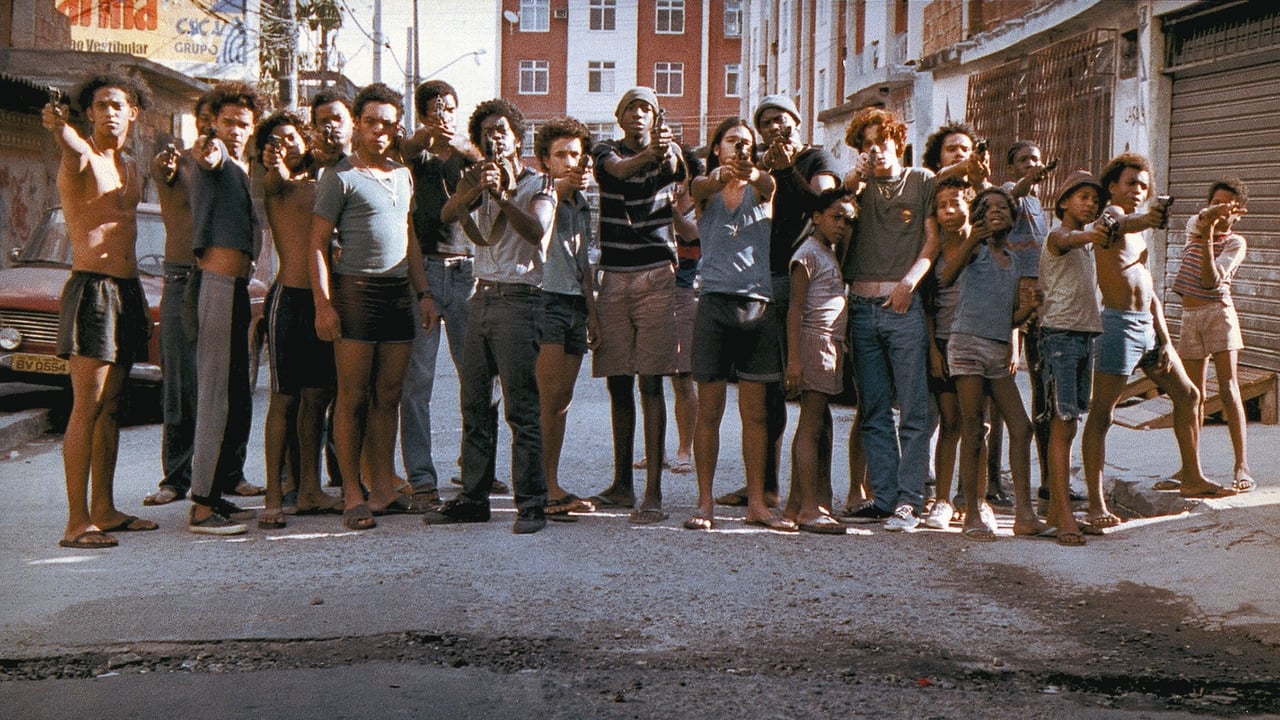
In a neighborhood with the beautiful name “City of God,” children pick up guns and shoot one another. City of God is a film that stares head-on at that brutal contradiction. Set in the favelas of Rio de Janeiro, Brazil, it unfolds breathlessly how one neighborhood sinks into a vortex of violence from the 1960s to the 1980s. The fact that the story is rooted in real events makes the shock of the screen all the heavier. My rating is ★4.0.
What it’s about — A favela seen by a boy with a camera
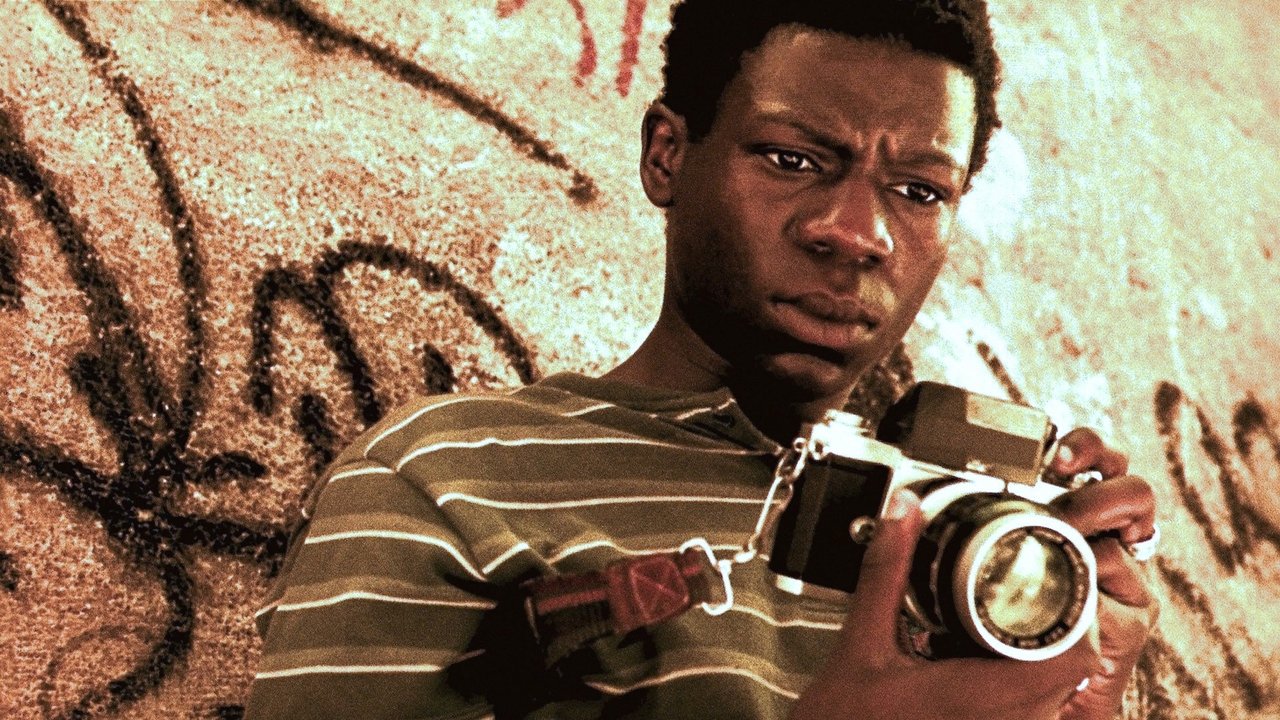
The story unfolds through the eyes of Rocket, a young man who wants to take photographs. Rather than becoming a gangster, he is a figure standing one step apart from the violence, trying to record his neighborhood through a camera. Following Rocket’s narration, the film moves freely across time, showing how the City of God changes from an ordinary low-income housing estate into a lawless zone ruled by drugs and guns. At its center is Li’l Zé, a figure who killed without hesitation from childhood. His ambition to seize power and the clashes among the gangs around him spread into a tragedy that swallows an entire generation whole.
Direction — A racing edit that never glamorizes violence
Fernando Meirelles’s direction is the chief reason this film became unforgettable. Rapid editing, bold jump cuts, and a structure that runs back through time to show the same scene again from a different angle drive relentlessly forward. Some critics read the shadow of Tarantino or Martin Scorsese in this style, but City of God adds a hot, raw vitality unique to the Brazilian favela, completing a texture all its own.
The color is intense as well. The sun-bleached yellow and the texture of dust fill the screen, vividly conveying a space where poverty and violence have become everyday. The handheld camera runs along at the speed of the children racing through the alleys. But this dazzling form is by no means meant to make violence look stylish. On the contrary, the greater the sense of speed, the more clearly it is engraved how easily young lives are extinguished.
Performance — The overwhelming realism of the favela’s non-professional actors
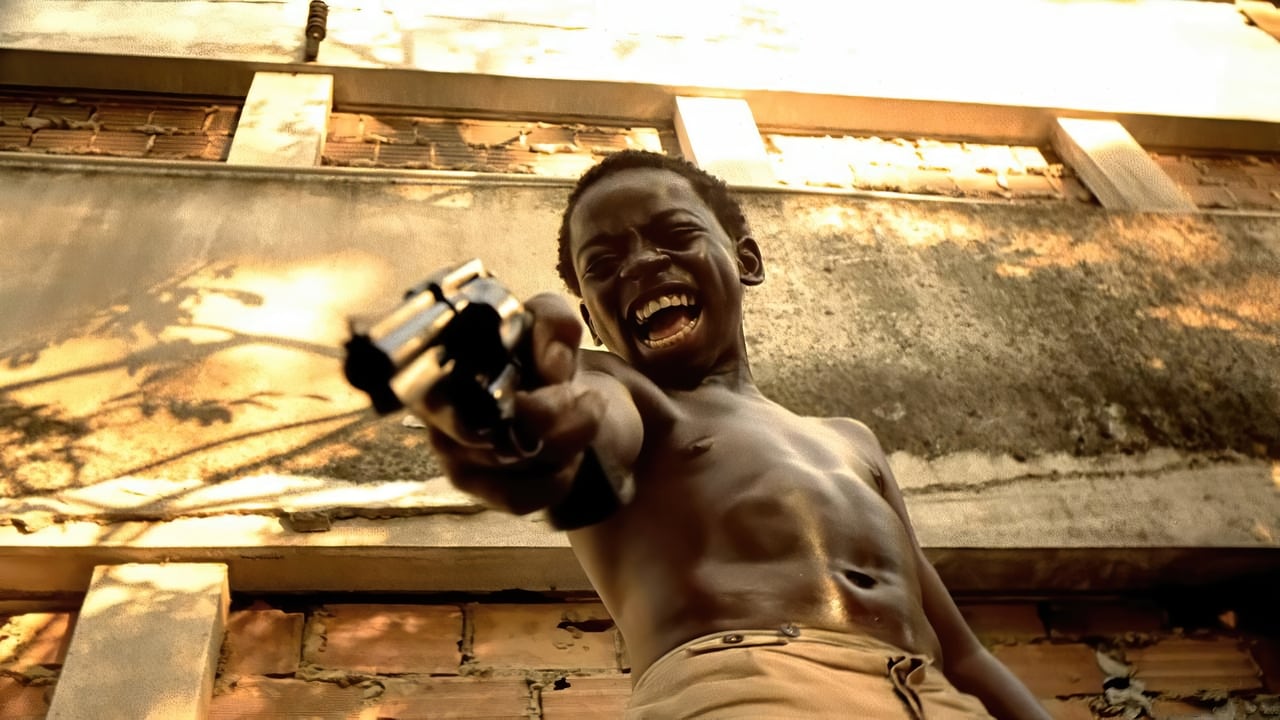
Most of this film’s cast are non-professional actors from actual favelas. That fact lends the screen an overwhelming realism. There is almost no sense of acting at all; the figures feel as natural as if they had always belonged to that space. In particular, the actor playing Li’l Zé renders, chillingly and vividly, the madness of a boy who pulls the trigger while smiling. The hollow eyes of a child who learned violence before he could even learn right from wrong are not soon forgotten. The narrator, Rocket, in the very midst of events yet a distanced observer, becomes the channel through which the audience can endure and follow this hell.
What the film says — The vicious cycle of inherited violence
City of God is a story about the vicious cycle of violence. One generation’s guns are placed into the hands of the next generation’s children, and revenge calls forth more revenge. The film shows, as if filing an indictment, how poverty, neglect, and society’s indifference turn young children into murderers. At the same time, through the figure of Rocket with his camera, it quietly suggests where a thin path out of this endless loop of violence might lie. The act of recording and bearing witness, that is the faint hope that it can save one person.
Ratings & reception
The IMDb rating is 8.6 out of 10, a level that keeps it high even on all-time film rankings. The Rotten Tomatoes Tomatometer is 91 percent and Metacritic recorded 79 out of 100. Critics highly praised the intense visual style and the fact that it does not stop at mere technique but locks into the theme. The vivid performances of the non-professional actors are also a frequently cited strength. It is also regarded as a work that raised the international standing of Brazilian cinema.
Verdict
City of God is by no means an easy film to watch. The level of violence is high, and most of those sacrificed are children. But this film does not stop at shock for shock’s sake. Beneath the dazzling form run clear anger and compassion, and that lifts the work beyond a simple crime piece. After watching, the heart stays heavy for a while, but that very weight is the evidence of what this film accomplished. The ★4.0 rating is an assessment of that honest shock.
Recommended for
- Those who want both intense direction and a weighty social message
- Viewers who love the realism of a true-story-based crime drama
- Anyone who can endure a high level of violence on screen
Comments