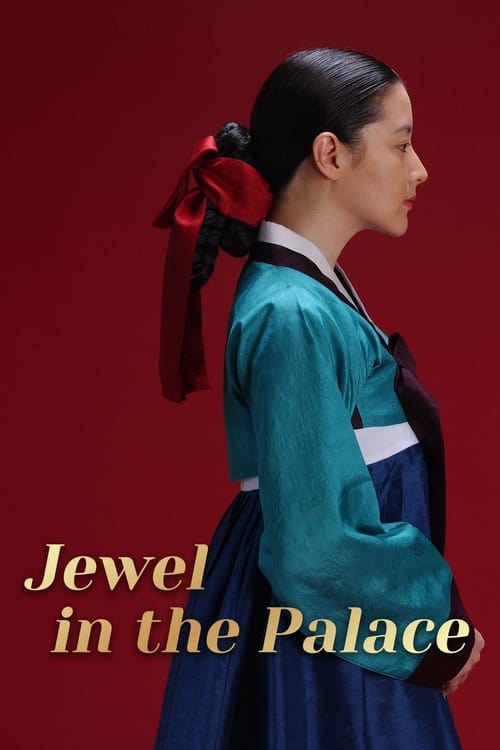
Jewel in the Palace (2003)
From royal court cook to the first female royal physician
by 10days1movie · Published 2026-06-10
| Type | Series |
|---|---|
| Director | Lee Byung-hoon |
| Cast | Lee Young-ae, Ji Jin-hee, Im Ho, Lee Se-eun, Geum Bo-ra |
| Release | 2003 |
| Genre | Drama, History |
| Runtime | 60min |
The scope of fifty-four episodes may feel daunting, but Jewel in the Palace wastes none of it. This MBC drama, which aired in 2003 and set a then-unmatched viewership record of 57%, is cited as the work that sparked the Korean Wave across Asia. Centered on the story of Jang-geum — a real female royal physician from the Joseon period of King Jungjong — it traces in fine detail how a single human being survives and grows in the narrow and dangerous world of the royal court. My rating is ★5.0.
What it’s about — From the royal kitchen to royal physician
Young Jang-geum enters the palace as a court lady after losing her mother who was also a court lady. With natural taste and indomitable will she aims for the position of top court lady, but is unjustly expelled amid a power struggle and after exile to Jeju Island turns to the path of medicine. The drama unfolds Jang-geum’s life around the twin axes of cooking and medicine — treating these not as simple skills but as philosophies for understanding human beings and the world, in a distinctive way. In a male-dominated Joseon society, the process by which a woman carves out a place through expertise and belief is the drama’s real core.
Direction — A mise-en-scène of food and the royal court
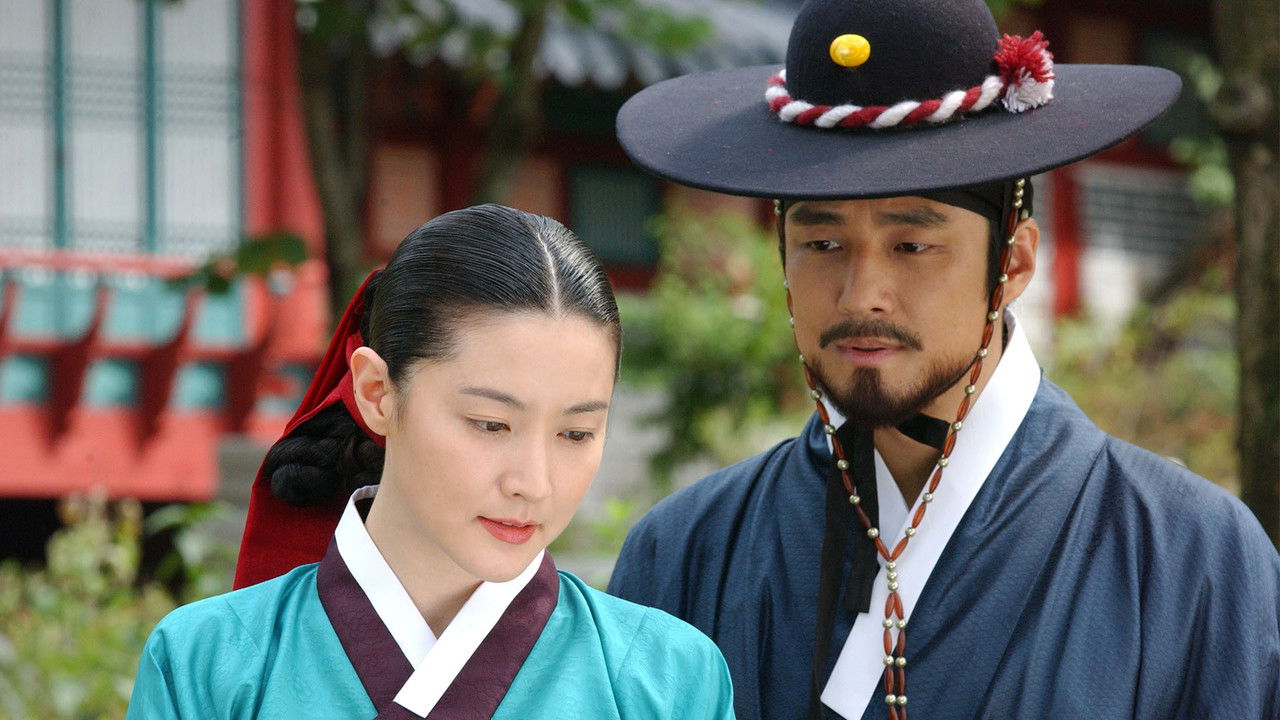
Director Lee Byung-hoon paid particular attention to the visual quality of historical drama. The royal kitchen cooking scenes are photographed with precision and beauty, and each dish functions not as a simple prop but as a medium carrying emotion and meaning. The color composition of the palace interior and the detail of the costumes naturally draw viewers into the atmosphere of the Joseon royal court. The contrast between cold, dark frames when Jang-geum suffers and bright, open compositions when she achieves something is also refined.
The overall pacing is fastest and most dramatic in the early portion. Some viewers feel the pace slows when the transition from the court kitchen arc to the medicine arc occurs, but this transition actually deepens the story.
Performance & characters — Lee Young-ae at her career best
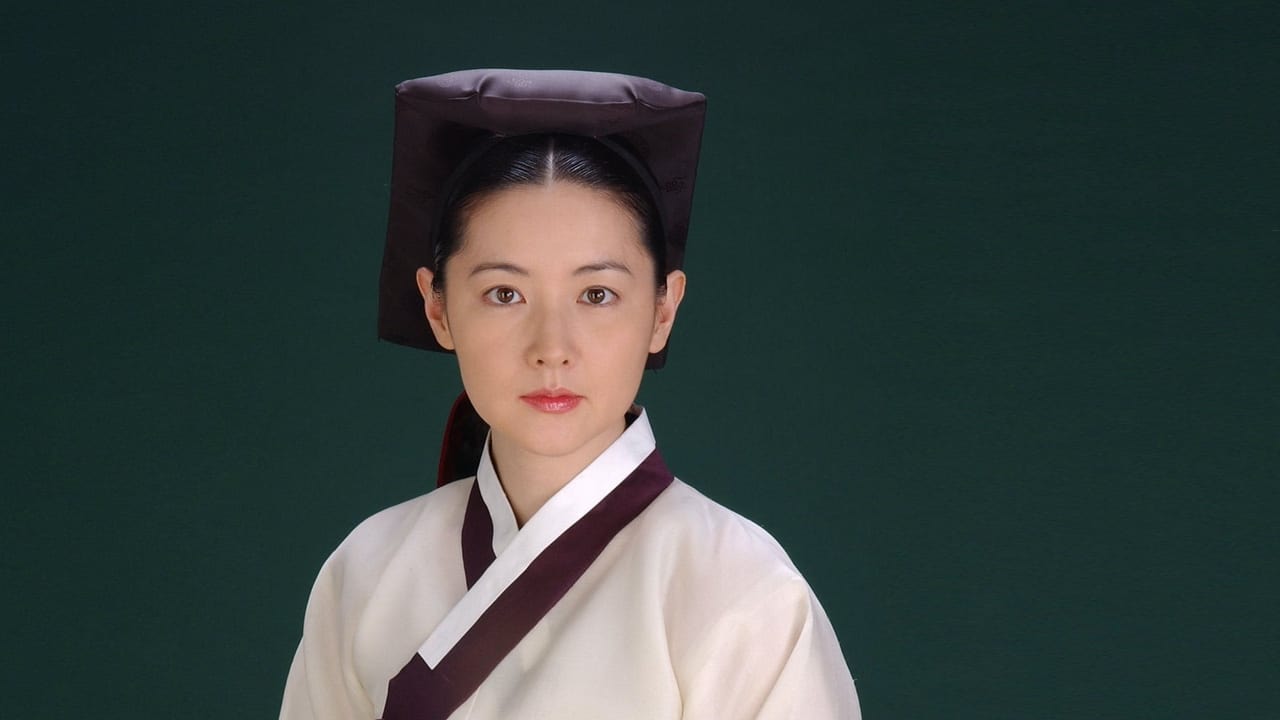
Lee Young-ae is said to have completed her career’s finest role with this drama. She plays Jang-geum’s growth from childhood to middle age without forcing it, and in particular her expression of Jang-geum’s not losing the will even while suppressing and containing anger and grief is outstanding. She takes a character who could have become an impossibly perfect protagonist and makes a three-dimensional human being of her, possessed of both vulnerability and stubbornness.
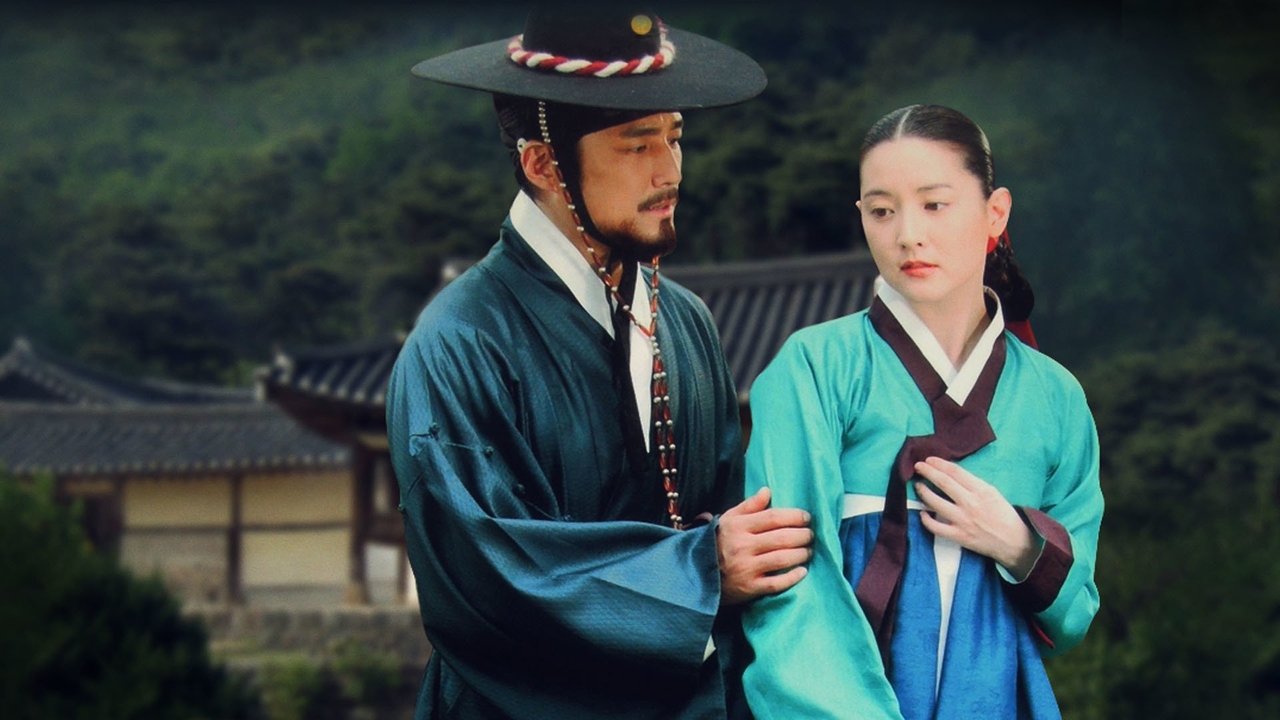
Ji Jin-hee’s Min Jeong-ho is unusually — for a Joseon male lead — a character who respects Jang-geum’s wishes and supports her. The emotional line between them accumulates quietly and persistently rather than intensely, and for that reason remains in the memory longer. Characters such as Park Yeol-i played by Lee Se-eun and Naiju-daek played by Geum Bo-ra also have their own narratives, broadening the drama’s layers.
What the work says — A philosophy of expertise and care
The reason Jewel in the Palace isn’t simply consumed as a court romance or historical drama is that the drama consistently speaks about the value of “expertise” and “honesty.” Jang-geum, rather than flattering those in power or taking shortcuts, always learns and demonstrates head-on. In that process she makes mistakes and fails, and the fact that the drama doesn’t gloss over those failures but faces them squarely is the strength that keeps this work alive. Cooking and medicine as subjects ultimately converge on the shared theme of caring for the human body and mind, showing that this drama is not a simple career success story but a story about a philosophy of care.
Ratings & reception
Jewel in the Palace holds an IMDb score of 8. At the time of broadcast it set an unprecedented domestic viewership record of 57.8%, was exported to China, Hong Kong, Southeast Asia, and the Middle East, and established itself as a pioneer of K-drama. The fact that this work was the first to demonstrate the international competitiveness of Korean drama in the early 2000s also carries significant historical weight.
Verdict
Jewel in the Palace is a drama with high completion quality relative to its length. Across all fifty-four episodes it never loses the story’s center, building the protagonist’s growth and trials convincingly. The palace politics, cooking, and medicine could have blended awkwardly, but director Lee Byung-hoon succeeded in connecting them organically. Even now, twenty years later, the universality of the narrative is alive enough that first-time viewers can fully immerse themselves. If you had to choose a single drama to represent Korean television, Jewel in the Palace will always be one of the candidates.
Recommended for
- Those who enjoy the political dynamics and human drama unique to historical drama
- Those who want a long drama that keeps them watching without stopping
- Those who love stories of strong, three-dimensional female protagonists’ growth
Comments