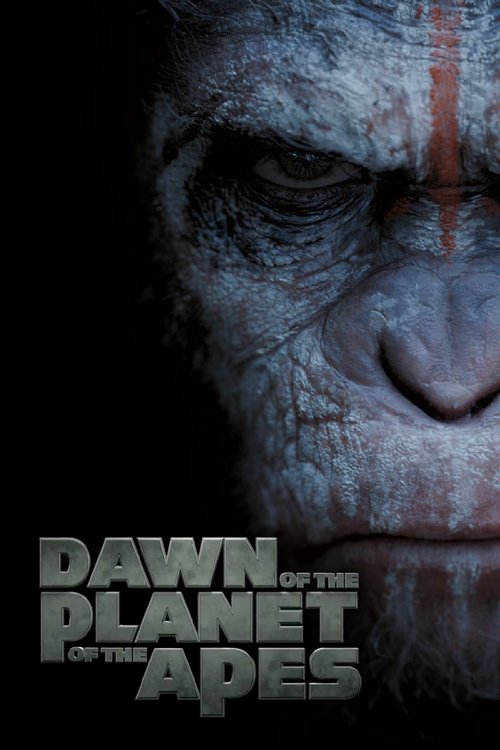
Dawn of the Planet of the Apes (2014)
Whose Fault Starts a War?
by 10days1movie · Published 2026-09-14
| Type | Movie |
|---|---|
| Director | Matt Reeves |
| Cast | Andy Serkis, Jason Clarke, Gary Oldman, Keri Russell, Toby Kebbell, Kodi Smit-McPhee |
| Release | 2014 |
| Genre | Science Fiction, Action, Drama, Thriller |
| Runtime | 130min |
It is not often that the sequel to a blockbuster series surpasses its predecessor. Dawn of the Planet of the Apes belongs among those rare exceptions. If the previous film, dealing with the start of evolution, depicted the awakening of a single ape, this one deals with those awakened apes forming a society and the precarious peace just before that society collides with humans. And how that peace collapses, the film follows with astonishing calm and gravity. My rating is ★4.0.
What it’s about — The precarious peace between ape society and humans
It is a world ten years after the virus that spread in the previous film wiped out most of humanity. The apes, with Caesar as their leader, have built their own village in the forest and live in peace. Meanwhile the surviving humans, in a ravaged city, set foot in ape territory in search of a dam to restore their power supply. Caesar is wary of humans yet tries to avoid war, but between the ape Koba, full of hatred for humans, and the humans who see the apes only as a threat, peace steadily loses its ground.
Direction — A balance that paints neither side as evil
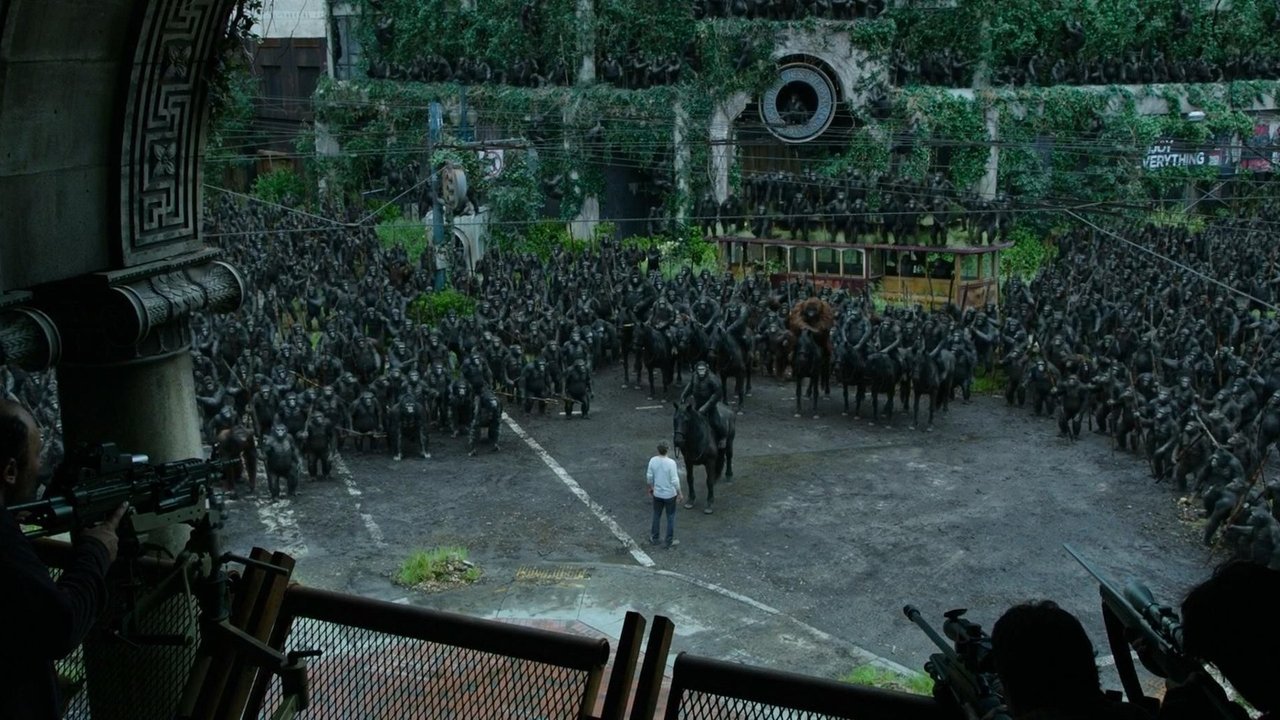
Matt Reeves’s direction does not rush. Instead of pushing action to the front, he spends enough time on both the human and the ape camps to show their fears and desires. As a result, the moment the conflict erupts arrives not as mere spectacle but as tragedy. The film does not portray either side as one-sidedly evil. The humans, too, have the desperation of protecting their families, and the apes, too, have betrayal and a lust for power. This balanced gaze is the very core that separates this work from ordinary sci-fi action.
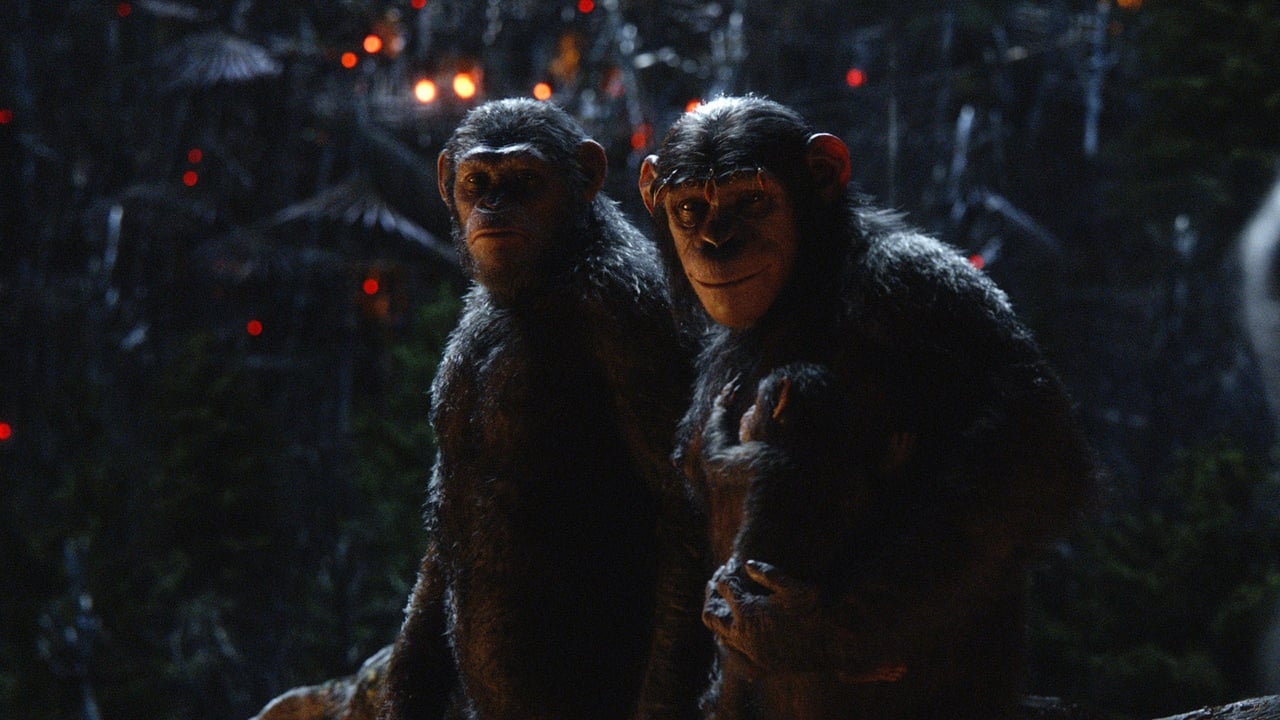
The technical polish is also overwhelming. The rain-soaked forest, the fog-laden city, the bonfires glowing in the dark, every corner of the screen persuasively shapes a post-apocalyptic world. Above all, the apes’ expressions and movements are so natural that the audience forgets these are computer-generated beings and becomes immersed in their emotions. The opening, which carries on for a good while with no human dialogue, relying only on the apes’ sign language and expressions, is especially striking. This scene, showing a society’s order and hierarchy through gazes and gestures instead of words, makes clear that this series is not a simple action piece but a narrative depicting the birth of a civilization. The attitude of the camera, lingering at the apes’ eye level and gravely contemplating their world, continues to the very end.
Performance — Serkis’s Caesar, conveying anguish with his eyes alone
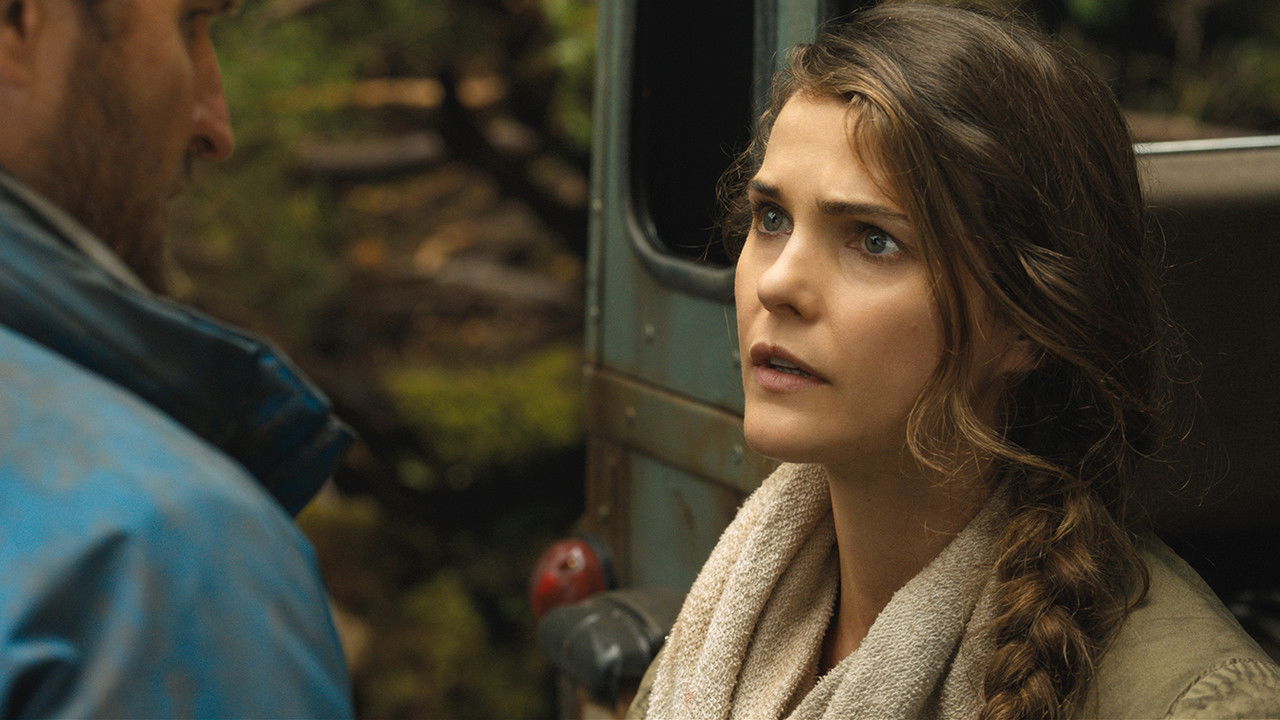
The true protagonists of this film are the apes completed through motion capture. Andy Serkis, who plays Caesar, conveys a leader’s anguish and sense of responsibility with his eyes alone, without dialogue. The conviction to keep the peace and the heart that wavers before his own kind’s betrayal read as clearly as any performance by a human actor. Toby Kebbell, who plays Koba, also intensely renders the madness of a figure seized by hatred. Among the human roles, Jason Clarke carries the sincerity of a man trying to communicate with the apes, and Keri Russell the warmth that stays at his side. Still, the side that leaves a deeper resonance in this work is clearly the apes.
What the film says — Peace is hard and war is easy
Dawn of the Planet of the Apes relentlessly digs into how a war begins. Not because of a grand conspiracy or a single villain, but because small distrust, misunderstanding, and fear accumulate and a single act of violence pulls the trigger, peace collapses in an instant. The moment Caesar’s conviction, the principle that ape does not kill ape, is broken by the hand of his own kind is the most painful passage of this film. In the end, what the work speaks of is a universal truth beyond species: peace is hard to keep, and war begins all too easily.
Ratings & reception
The IMDb rating is 7.6 out of 10, the Rotten Tomatoes Tomatometer is 91 percent, and the Metacritic score is 79 out of 100, with clear critical praise. The polish of the visual effects and the grave development of the story were evenly well received in particular. Carrying forward the achievement of its predecessor, it established itself as a work that raised the series a step higher, and it is frequently cited as an example of the dramatic depth a blockbuster can reach.
Verdict
Dawn of the Planet of the Apes is a film that holds a weighty tragedy beneath a dazzling shell. The large-scale battle of the back half is certainly intense, but what lingers longest is the frustration and sorrow of a leader who tried to keep the peace. As a rare sequel possessing both genre pleasure and serious reflection, the four-star rating is not too much.
Recommended for
- Those who want a weighty sci-fi drama beyond simple action
- Anyone who wants to witness the peak of motion-capture performance firsthand
- Those who love films treating the themes of war and coexistence seriously
Comments