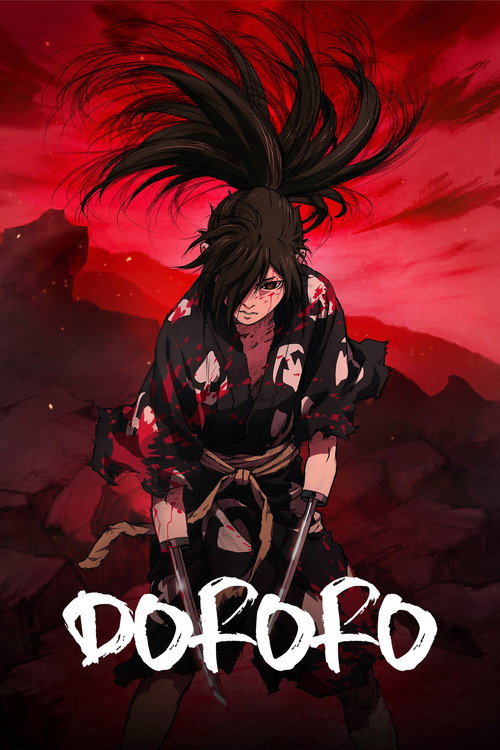
Dororo (2019)
I Never Expected Reclaiming a Body to Be This Sad
by 10days1movie · Published 2026-07-15
| Type | Series |
|---|---|
| Director | Kazuhiro Furuhashi |
| Cast | Hiroki Suzuki, Rio Suzuki |
| Release | 2019 |
| Genre | Animation, Action, Adventure |
| Runtime | 24min |
A father sold forty-eight parts of his son’s body to demons in exchange for territory and power. The son grows up and sets out on a journey to defeat the demons one by one and reclaim what was taken. Just hearing the premise, it sounds like a simple revenge-action story — but the 2019 remake of Dororo quietly builds inside that journey questions about human will, loss, and what it is that makes a person human.
What it’s about — a journey to reclaim a stolen body
This is a 24-episode anime co-produced by MAPPA and Tezuka Productions, a remake of Osamu Tezuka’s original manga of the same name. Set against the backdrop of the Japanese Sengoku period (Warring States era), it follows Hyakkimaru — born without a body, his pieces taken by demons — as he travels with the young thief Dororo, defeating demons and reclaiming his body piece by piece. It began airing in January 2019 and reinterprets the original’s setting and characters with greater depth for the modern era.
Direction — the sound design of regaining the senses
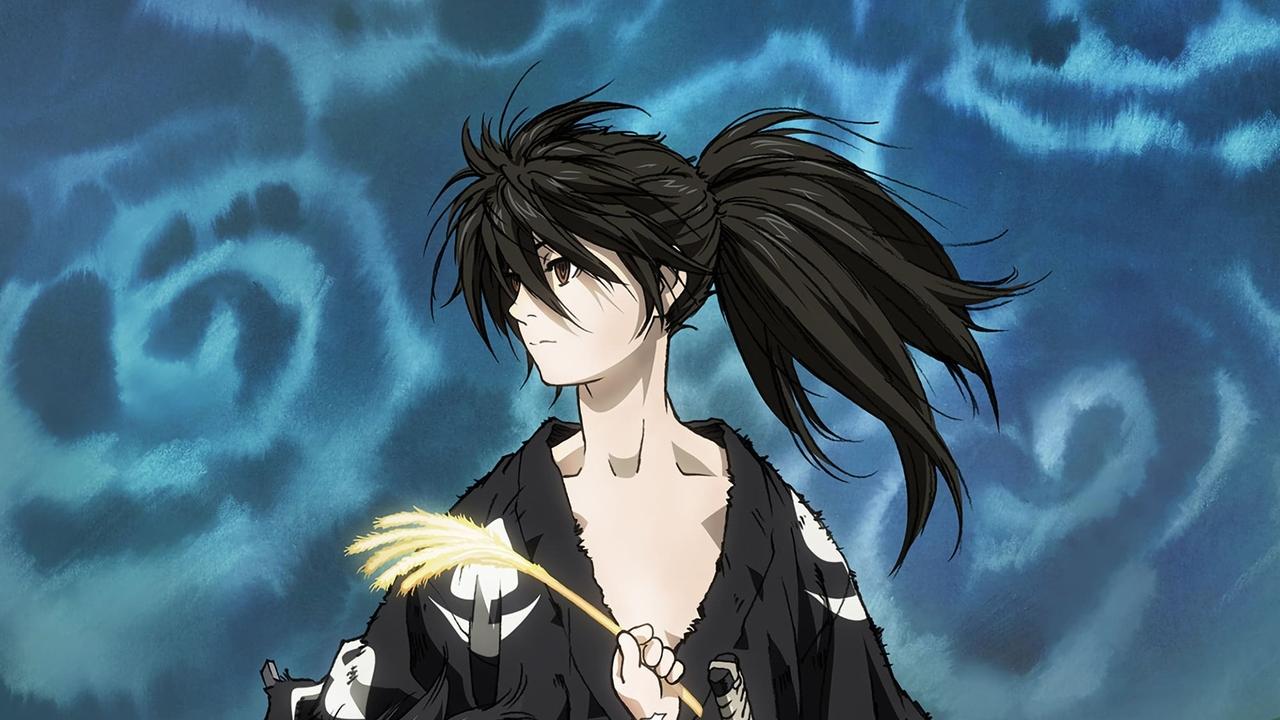
MAPPA’s animation effectively captures the desolate, dark atmosphere of the Sengoku period. Hyakkimaru’s movements in the battle sequences are refined and dynamic, and the attempt to visually express how the world looks different each time he reclaims a body part is impressive. The process by which the protagonist — who at first perceives the world with neither sound nor colour — gradually regains his senses is conveyed sensually to the viewer through direction and sound design. This is the most accomplished moment of the series’ direction.
Performance & characters — Hyakkimaru becoming human
Hiroki Suzuki’s Hyakkimaru is a character with suppressed emotional expression, appearing to move only toward his objective rather than as a human. Suzuki conveys the subtle vocal changes as this character gradually becomes more human. Rio Suzuki’s Dororo is the opposite — vivid and talkative from start to finish. The Hyakkimaru-Dororo duo does an excellent job of balancing the heavy, sad narrative.
What the work says — body and identity, and the violence of the age
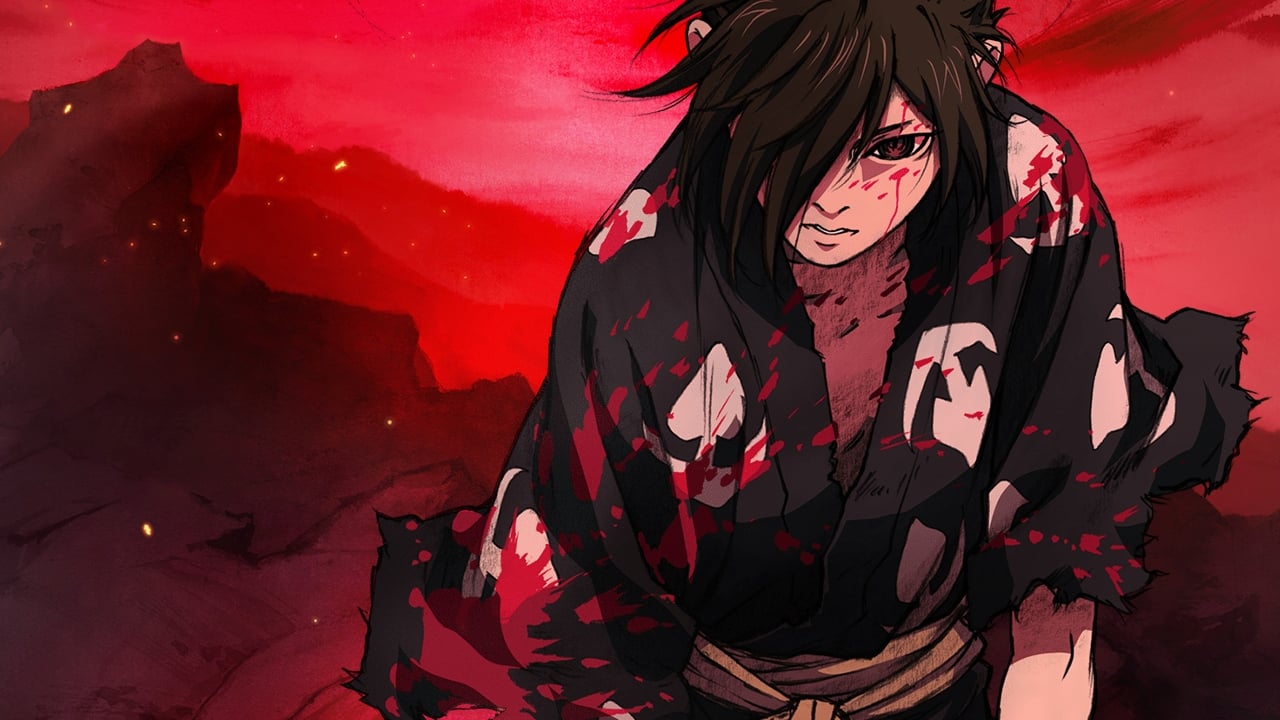
What Dororo speaks to is the relationship between the body and identity. In the process of a child born without a body reclaiming it, moments arise in which it becomes ambiguous whether he is human or demon. The more body he gains, the greater the pain he feels, and there is a price to pay with each demon he defeats. Whether the father’s choice was right is not a simple question. With the wars and famines of the Sengoku period and the exploitation of feudal lords as backdrop, the series shows without strategy how an individual’s fate intersects with the violence of the age.
Ratings & reception
IMDb score: 8.2. TMDB score: 8.5. At broadcast in 2019, it was named one of the standout original anime of the year and praised as a successful remake that reinterpreted Tezuka’s original for the modern era. It also received relatively high praise domestically in Japan.

Weaknesses
The formula of one demon per episode can feel repetitive in the middle stretch. There is variance in the quality of individual demon episodes — some are impressive, others unremarkable. There is also a sense of the final arc wrapping up somewhat hastily. Fans are divided on how the remake handles the parts left unfinished in the original.
Verdict
My rating is ★4.0. This is a work that revives the essence of Tezuka’s original through modern animation techniques. Recommended for viewers who enjoy dark fantasy and are looking not for simple action but for a story about loss and identity. Once you reach the final episode, a long-lingering aftertaste remains. The structure in which Hyakkimaru loses more and more of himself with each body part he reclaims is the most cruel and most beautiful aspect of this series. MAPPA has proven that the questions Osamu Tezuka posed in the 1960s original remain entirely valid in the 2019 remake. Even without knowing the original, this series provides a fully self-contained viewing experience.
Recommended for
- Fans of dark fantasy anime
- Those interested in Osamu Tezuka’s original source material
- Those who prefer stories with a quiet, lingering aftertaste
Comments