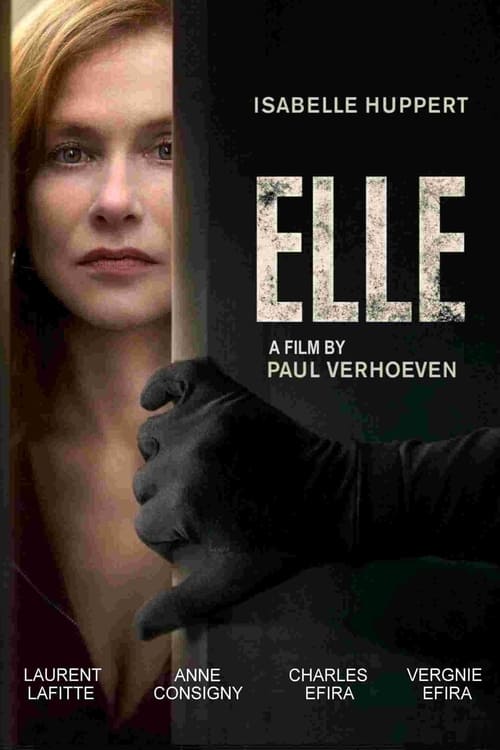
Elle (2016)
The Self-Portrait of a Woman Who Refuses Classification
by 10days1movie · Published 2026-09-18
| Type | Movie |
|---|---|
| Director | Paul Verhoeven |
| Cast | Isabelle Huppert, Laurent Lafitte, Anne Consigny, Charles Berling, Virginie Efira |
| Release | 2016 |
| Genre | Drama, Thriller |
| Runtime | 130min |
The film opens with a woman being assaulted by an intruder in her own home. It is a shocking opening, but more shocking is what comes next. Instead of screaming and collapsing, the victim cleans up the broken dishes, sinks into a bath, and orders sushi for dinner. From the very first scene, Paul Verhoeven refuses the reaction the audience would ordinarily expect. Elle takes the familiar frame of victimhood and revenge and twists every one of its rules, a work difficult to classify. My rating is ★4.0.
What it’s about — A woman who chases the culprit herself instead of reporting
Michèle (Isabelle Huppert) is a successful businesswoman who runs a video game company. Rather than reporting the man who attacked her to the police, she decides to track him down herself. But the film does not flow into a simple pursuit drama. Michèle’s daily life is complexly tangled with the shadows of a broken marriage, an incompetent son, a mother who has taken a new lover, and a horrific crime her father committed in the past. Even after the culprit’s identity is revealed, Michèle keeps making unexpected choices, and the audience is left unable to pin down what she wants to the very end.
Direction — A distance that observes shock coldly
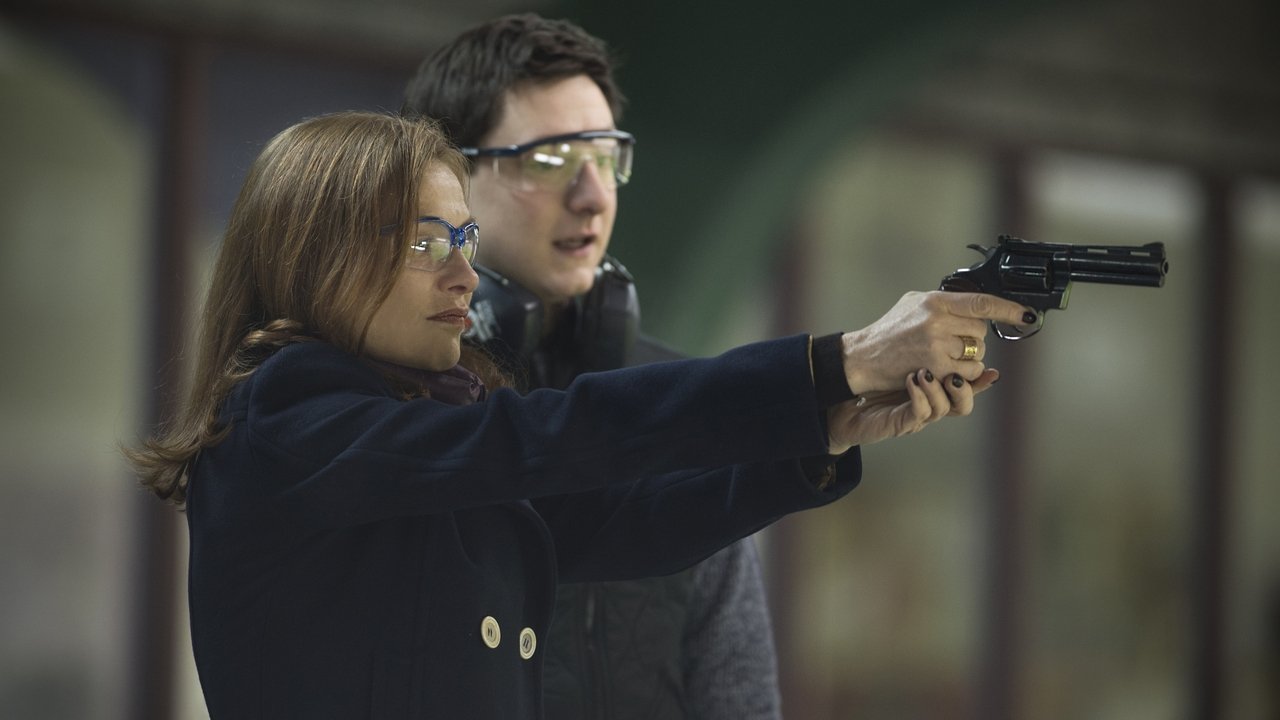
Verhoeven’s direction is astonishingly composed. Even while dealing with a shocking event, he does not let the camera get excited. Rather, he follows Michèle’s daily life dryly and precisely, giving the audience no room to render a moral judgment. This distance makes the film uncomfortable yet captivating, because it does not consume the event luridly but concentrates on observing the character’s control and desire.
He also hides black humor throughout. The awkward conversation at a family meal, the wars of nerves with company employees, the subtle tension with a neighbor draw a strange laughter amid the heavy subject. Thanks to this, Elle refuses a consistent tone yet never becomes scattered. This balance, freely crossing the boundaries of genre, is the very evidence of seasoned direction.
Performance — Huppert’s solo stage, refusing to be defined
This film is effectively Isabelle Huppert’s solo stage. She defines Michèle as neither victim nor perpetrator nor hero. Huppert reveals the figure’s complex interior with a single expression, a single glance, and thanks to that restrained performance Michèle remains a mysterious being to the end. This performance, in which anger and cynicism, desire and fear coexist within one face, is overwhelming enough to need no explanation. Had it not been Huppert, this precarious character would have struggled to earn its persuasiveness. The actors playing the surrounding figures also densely fill Michèle’s world, heightening the film’s density.
What the film says — A test of the fixed notion of how a victim should be
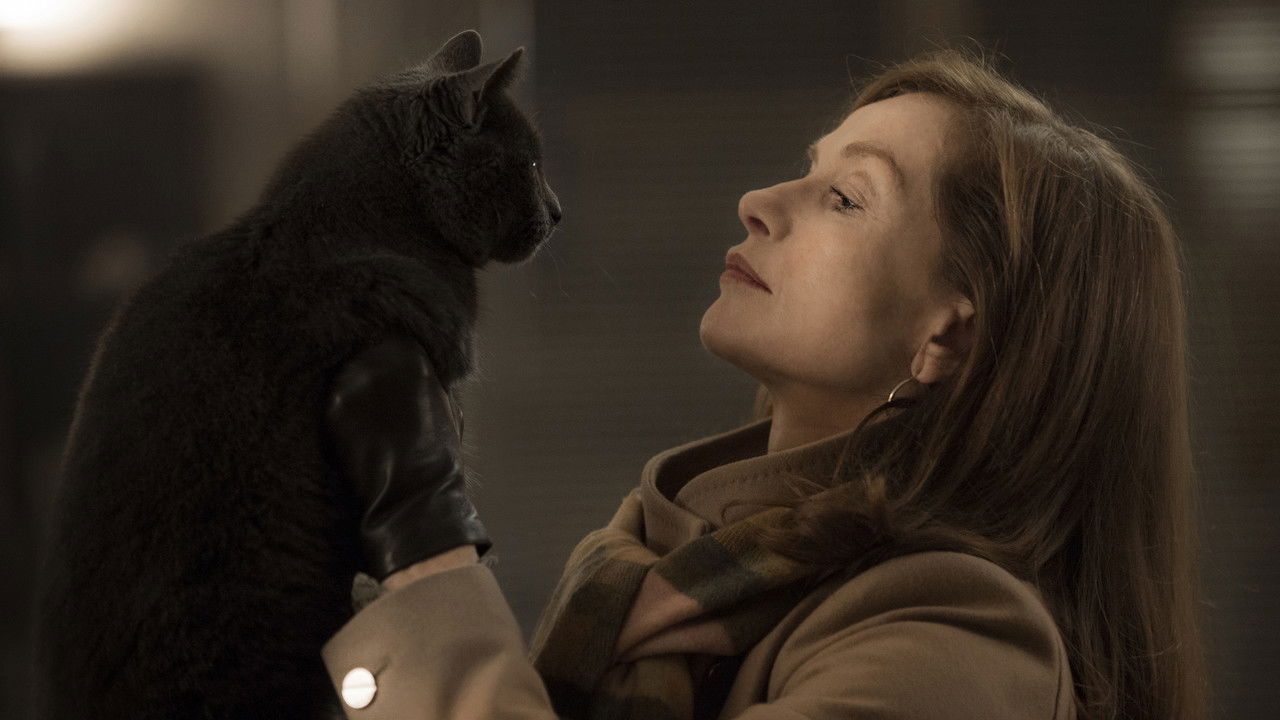
Elle tests the very desire of the audience to understand a character easily. We hold a fixed image of how a victim of violence ought to behave, but Michèle refuses to fit that image. The film neither defends nor condemns her choices, following only her will to control her own life in whatever way to the very end. That it offers no correct answer is what makes this film both uncomfortable and free.
Ratings & reception
By OMDb, the IMDb rating is 7.1 out of 10. The Rotten Tomatoes Tomatometer is 91 percent and the Metacritic score is 89 out of 100, an exceedingly high critical assessment. After it screened in competition at the Cannes Film Festival, Isabelle Huppert’s performance became the year’s hottest topic, and she swept up lead acting awards at several ceremonies for this work, also earning a nomination for the Academy Award for Best Actress.
Verdict
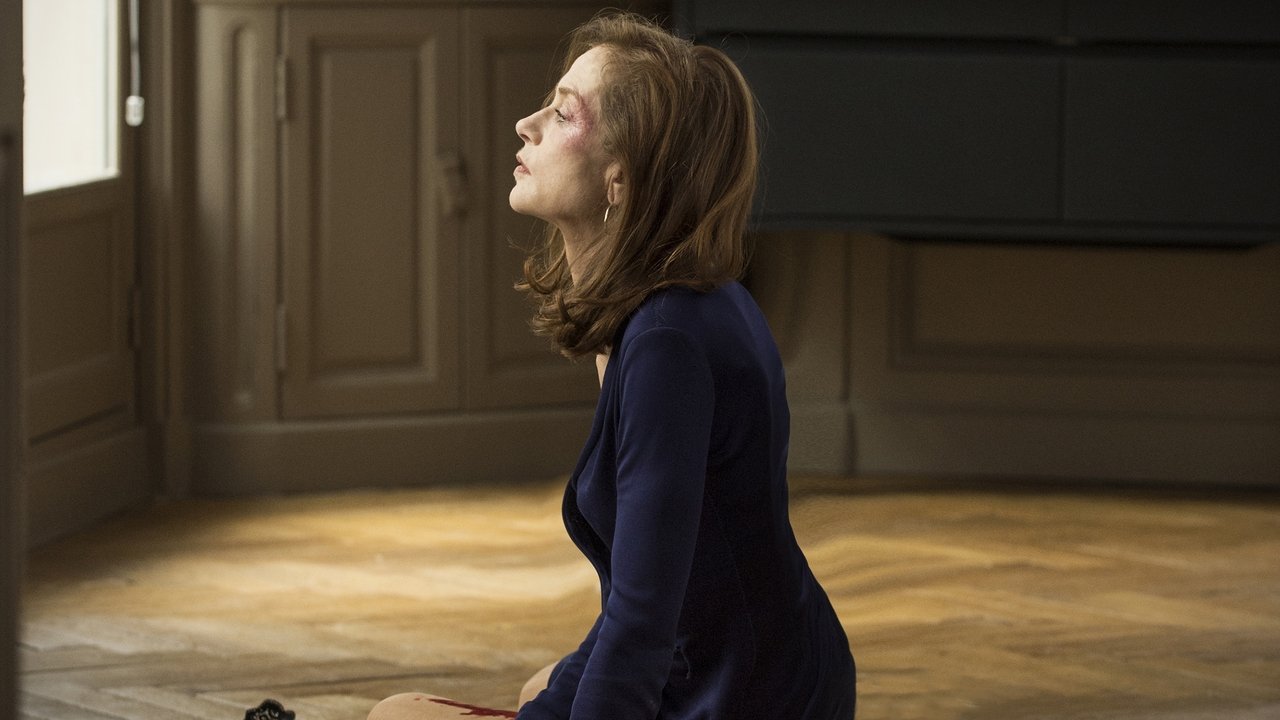
Elle is a film hard to recommend lightly. The material is heavy, and the character’s choices often run against our common sense. But a work that renders a single figure this complex and dimensional is rare. If you are prepared to set aside moral judgment for a while and gaze at one woman’s self-portrait to the end, this film leaves an experience hard to forget. On Huppert’s performance alone, ★4.0 is plenty.
Recommended for
- Those who love complex characters not divided into good and evil
- Anyone who wants to see Isabelle Huppert’s signature performance
- Those seeking a challenging film that twists genre conventions
Comments