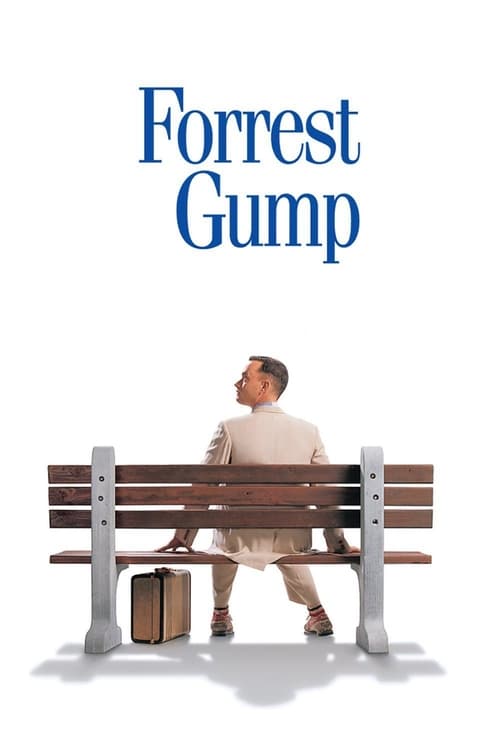
Forrest Gump (1994)
A Simple Man Walking Through a Complex Era
by 10days1movie · Published 2026-07-04
| Type | Movie |
|---|---|
| Director | Robert Zemeckis |
| Cast | Tom Hanks, Robin Wright, Gary Sinise, Sally Field, Mykelti Williamson |
| Release | 1994 |
| Genre | Comedy, Drama, Romance |
| Runtime | 142min |
Forrest Gump was born with a low IQ, yet through running he makes it onto a college football team, serves in the Vietnam War, participates in ping-pong diplomacy, and builds a successful shrimping business. Just hearing that, it sounds like fantasy. But this film passes all those events through Forrest’s pure gaze and transforms them into a story of how one simple person experiences a complex, violent, contradictory era.
What it’s about — modern American history told from a bench
Directed by Robert Zemeckis in 1994, the film unfolds in the form of Forrest Gump (Tom Hanks) sitting at a bus stop bench telling strangers the story of his life. Major historical events from the 1950s through the 1980s — the Kennedy assassination, the Vietnam War, Watergate, the civil rights movement — intersect with Forrest’s life. Forrest is at the centre of all these events, but doesn’t understand their significance. That ignorance, paradoxically, makes the era’s confusion and contradictions all the more vivid.
Direction — compositing with historical figures and the feather image
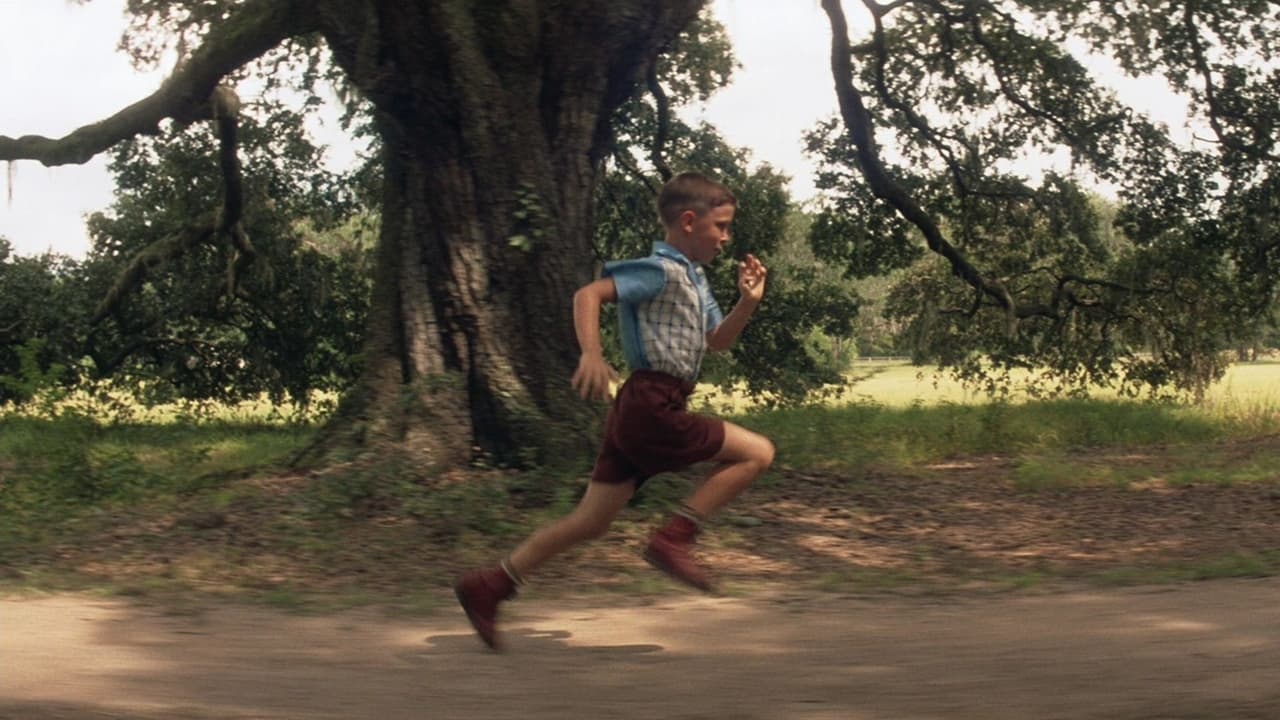
The most noteworthy aspect of Zemeckis’s direction is the composite scenes with historical events. The technology blending actual historical figures with Forrest was revolutionary at the time and holds up well even now. But more important than this technical achievement is what these scenes are trying to show. The scenes where Forrest meets presidents are a kind of paradox: the presence of someone who knows nothing makes the grandeur of the occasion empty.
The rhythm running through the film is quiet and lyrical. Alan Silvestri’s music supports this rhythm and guides the emotion without being excessive. The image of a white feather floating on the wind in the opening and closing frames precisely summarises the film’s mood.
Performance — Tom Hanks holding the boundary of innocence
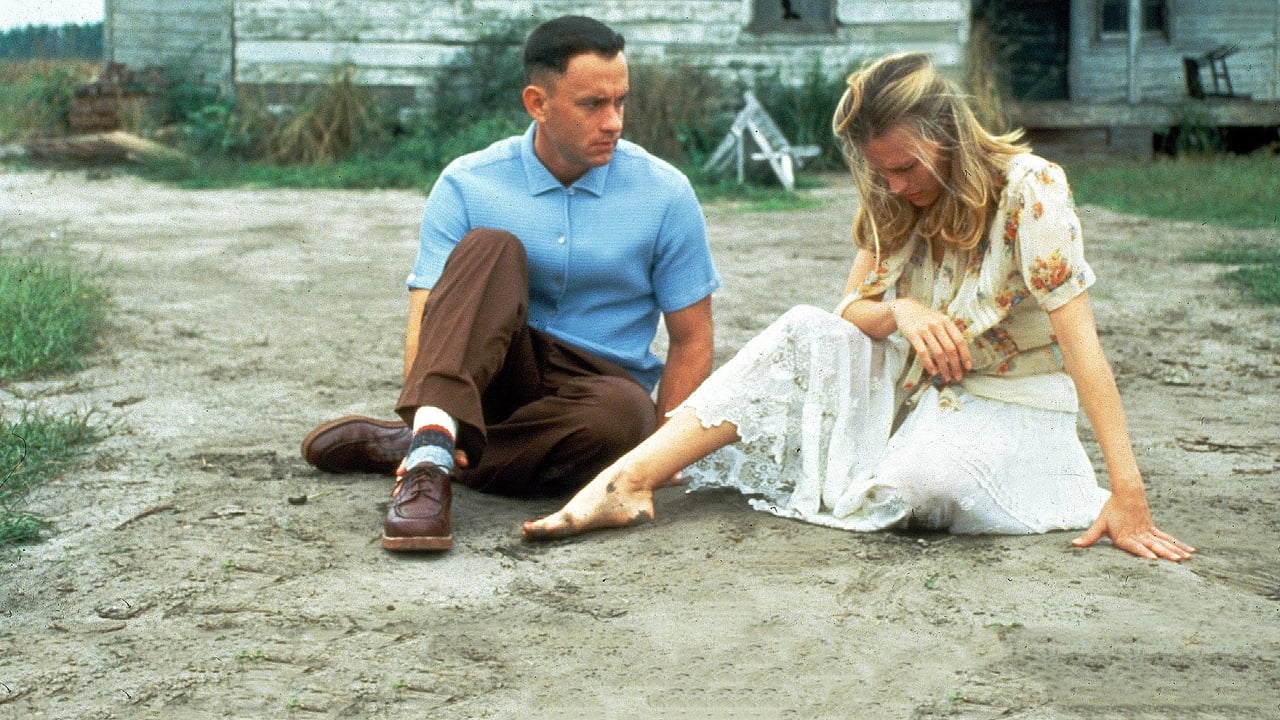
Tom Hanks won his second Academy Award for Best Actor for this film. The character of Forrest could easily tip into exaggeration or sentimentality, and Hanks maintains exactly the right boundary. Forrest’s simplicity feels not like foolishness but like purity. When he says or does something, the absence of complex intent or calculation is what gives it power. Robin Wright’s Jenny is a character who experiences an opposite version of the same era, and the contrast between the two creates the film’s emotional weight. Gary Sinise delivers a deeply memorable performance as Lieutenant Dan, who has lost both legs.
What the film says — the diverging contrast of Forrest and Jenny
Forrest Gump can be read simply as a moving story, but this film also carries a complex perspective on America as a country. Forrest passes harmlessly through the most turbulent years of America and actually succeeds. Jenny, by contrast, who was intelligent, resistant, and fought against her era, ends up carrying wounds and pain. This contrast stirs something beneath the optimistic surface. How much Zemeckis intended this contrast is unclear, but the question persists after the film.
Life is like a box of chocolates, says Forrest — which summarises the film’s philosophy. Not knowing what you will choose is anxiety, but it is also possibility. Forrest runs forward into that uncertainty.
Ratings & reception
TMDB score: 8.5. IMDb score: 8.8, consistently maintained in the all-time top tier. Rotten Tomatoes freshness: 75%, with some gap between audience and critical scores. In 1994 the film won six Academy Awards including Best Picture, Best Director, Best Actor, Best Adapted Screenplay, Best Film Editing, and Best Visual Effects.

Weaknesses
The film has become so famous that even first-time viewers may have already encountered many scenes through parody and quotation. In that case, the emotion of seeing them for the first time may be somewhat diluted. Some episodes in the second half also feel slightly rushed compared to the first half.
Verdict
Regardless of how many times you have seen this film, it is hard to prevent something rising inside you at the final bus scene. The fact that that emotion has not been worn down by marketing or parody is the film’s staying power. My rating is ★4.5. Films that pack this much into a single premise — of a simple man walking through a complex era — are rare.
Recommended for
- Those who enjoy dramas set against the backdrop of modern American history
- Those who must choose one Tom Hanks masterwork to watch
- Those who want a film where a deep resonance arrives later after a relaxed first watch
Comments