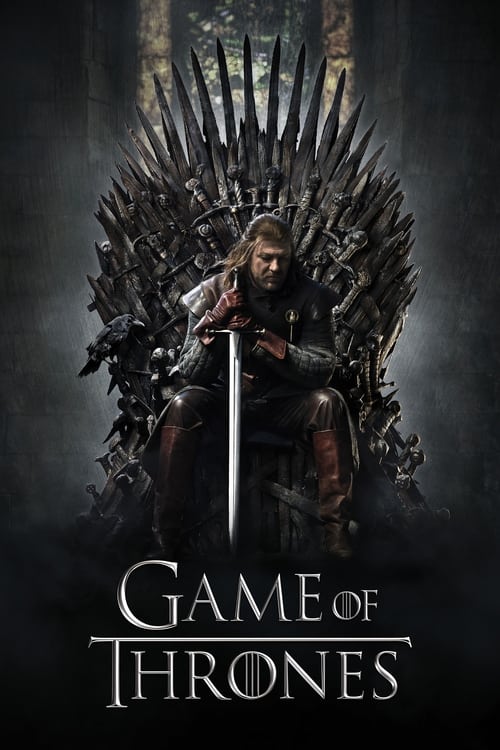
Game of Thrones Season 8 (2019)
The Last Six Hours of a Vast World Tying Itself Off
by 10days1movie · Published 2026-09-20
| Type | Series |
|---|---|
| Director | David Benioff, D.B. Weiss |
| Cast | Peter Dinklage, Emilia Clarke, Kit Harington, Lena Headey, Nikolaj Coster-Waldau |
| Release | 2019 |
| Genre | Fantasy, Drama, Action |
| Runtime | 60min |
If you had to close out a story eight years in the making with only six episodes, what kind of ending could that even be? Season 8 is what happens when a series collides head-on with that impossible question. The last stand against the army of the dead, the final scramble for power around King’s Landing, the moment the owner of the Iron Throne is finally decided — the pressure of untying every knot the series has ever tied is etched into every frame. That untying is not always clean, but the weight of trying to hold up the end of an era never wavers. Even allowing for the disappointments of the conclusion, ★4.5 feels like a thoroughly earned send-off.
What it’s about — Untying Eight Years of Knots in Six Episodes
Season 8 opens on the figures gathered at Winterfell. Factions that were enemies for years now sit together before the common threat of the dead, and the awkward tension of that alliance fills the first two episodes. On the night before battle, the characters raise a cup and look back on the time behind them, a scene that reminds us this series was a story about people long before it was about action. From there the season moves through the clash of the living and the dead, turns its gaze south again toward the final confrontation with Cersei Lannister, and ends on a question aimed at the very idea of power.

Direction — The Darkness of Winterfell and the Flames of King’s Landing
The direction of Season 8 displays ambition and limitation at the same time. The Battle of Winterfell in Episode 3 is the longest combat sequence in the series’ history, and its attempt to capture the chaos unfolding in darkness exactly as darkness is striking. Yet the complaint that the picture was simply too dark to follow rose fiercely at the time of broadcast, exposing the gap between directorial intent and real viewing conditions. Even so, the overwhelming scale of the dead pouring in, and the camera’s breath as it catches individual figures fighting for their lives within that flood, remain deeply impressive.
The fall of King’s Landing in the back half, by contrast, is visually far clearer and more savage. As the dragon sets the city ablaze, the direction relentlessly follows the terror of ordinary people trapped in the streets, refusing to look away from the truth that the spectacle of war is also a slaughter. This season’s craft in handling scale stands at its peak, yet it never quite erases the impression that there simply wasn’t enough narrative time to support that scale.
Acting and characters — Daenerys’s Turn That Lacked the Time
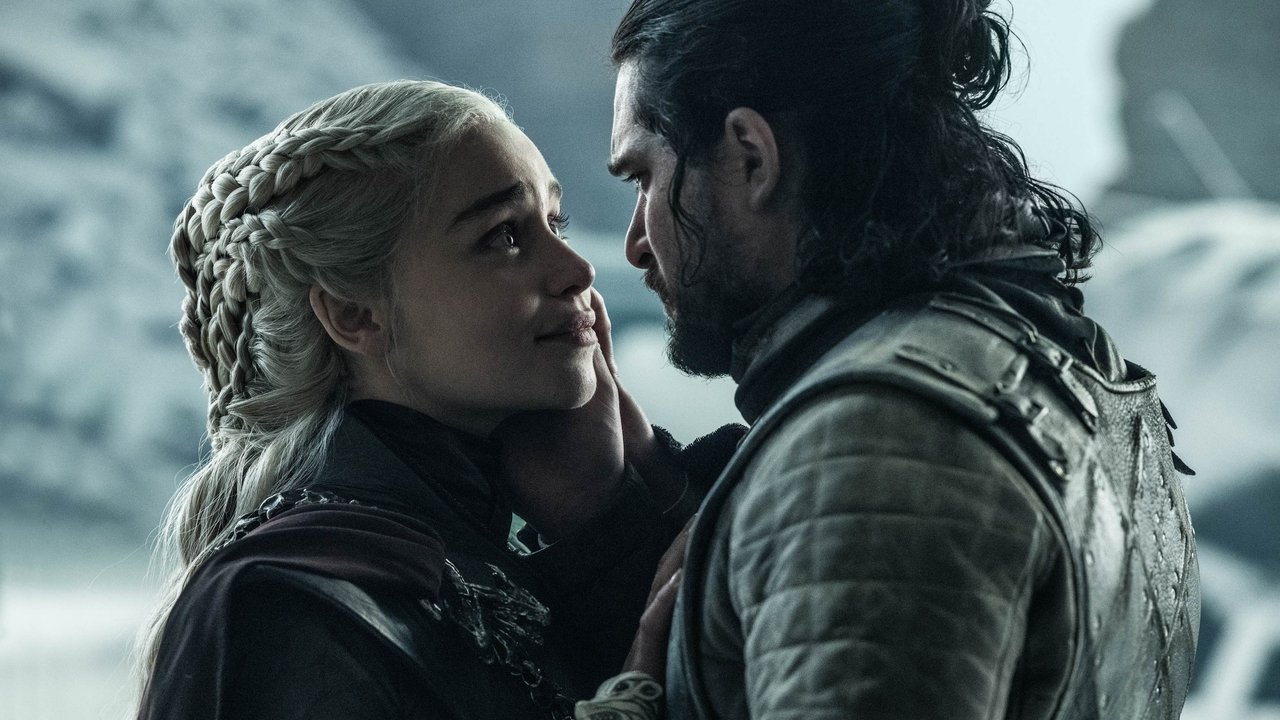
The performances remain the series’ most dependable asset even here. Peter Dinklage’s Tyrion delicately conveys the exhaustion of a man growing more powerless at the centre of power. The moments where a character who once talked and schemed his way out of every crisis falls silent before events he can no longer control stand in for the season’s whole tragic mood. Emilia Clarke’s Daenerys carries the hardest task of all: she must make a character’s sharp turn from liberator to conqueror persuasive within a tight runtime, and Clarke battles to express that perilous edge with little more than her eyes and her expression.
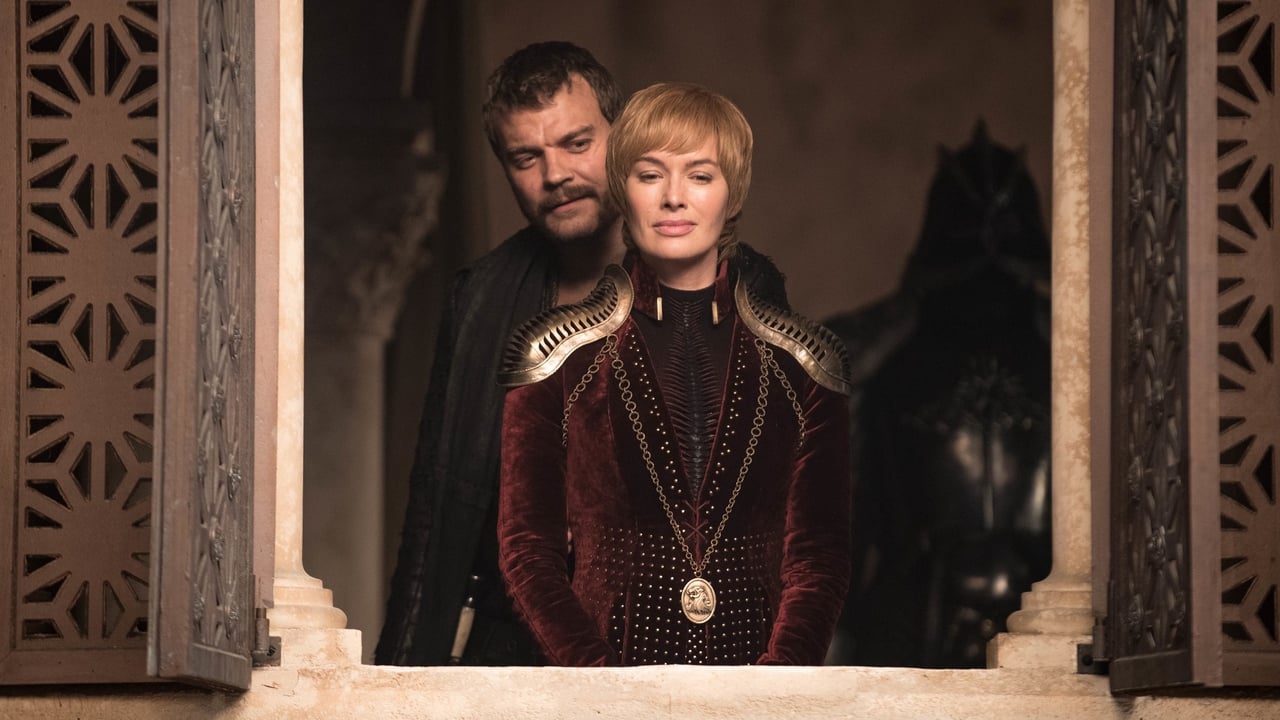
Kit Harington’s Jon Snow is drawn as a man torn to the very end between loyalty, love and duty. Lena Headey’s Cersei, though reduced in screen time, never loses her command of the frame, and Nikolaj Coster-Waldau’s Jaime drags his lifelong self-contradiction all the way to the finish. When the characters’ choices feel hard to accept, it is not a failure of acting but of a script that did not leave enough time to explain those changes.
What the series says — The Lust for Power That Remains Once the Threat Is Gone
Season 8 ultimately converges on a story about the nature of power. Even after the absolute threat of the dead recedes, people return to fighting over the throne, and the series offers the cold conclusion that even a leader who set out from good intentions can be eaten away by the logic of power itself. The questions raised at the final gathering — to whom should power be given, and by what should it be held in check — are a distillation of the theme the whole series has worked over from the start. The trouble is that the way these questions are resolved feels too hurried, so the weighty conclusion arrives before it has fully ripened. And yet the questions themselves remain sharp.
Ratings & reception
The Game of Thrones series holds an IMDb rating of 9.5 million users having taken part in the voting. That figure, however, covers the series as a whole, and the fandom’s response to Season 8 specifically is the most violently divided of the entire run. Many viewers voiced disappointment at the compressed pacing and the abrupt shifts in some characters, while a fair number praised the spectacle driving toward the end and the actors’ work. This season sits at the very centre of the debate over how a drama that defined an era ought to conclude.
Verdict
Game of Thrones Season 8 is far from a flawless ending, but its ambition and weight are hard to deny. The spectacle of vast battle, the tragedy of a city’s fall, and the final question about power all leave a strong afterimage. The reason I gave it ★4.5, despite the misgivings about how convincing the conclusion is, is that the visual accomplishment, the actors’ range, and the sheer density of watching an era come to an end are still overwhelming. Not every answer satisfies, but anyone who followed this enormous story this far cannot turn away from its last six hours.
Recommended for
- Those who followed the flow from Seasons 1 through 7 and want to see it through to the end
- Those who want to experience the spectacle of large-scale battle and a city’s fall on TV
- Those who love heavy questions about power and its legitimacy
Comments