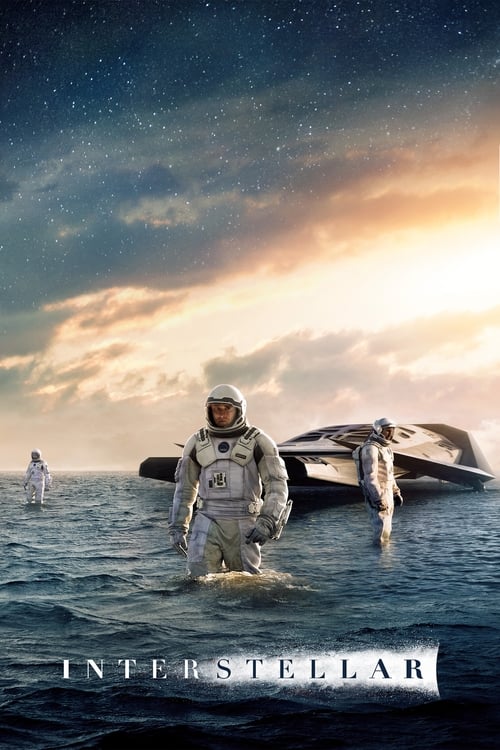
Interstellar (2014)
The Weight Behind the Claim That Love Transcends Gravity
by 10days1movie · Published 2026-07-03
| Type | Movie |
|---|---|
| Director | Christopher Nolan |
| Cast | Matthew McConaughey, Anne Hathaway, Michael Caine, Jessica Chastain, Casey Affleck |
| Release | 2014 |
| Genre | Adventure, Drama, Sci-Fi |
| Runtime | 169min |
It is rare for a 169-minute sci-fi film to simultaneously spark debate about scientific accuracy and land emotional resonance. Interstellar visualises wormholes and black holes while placing a father-daughter story at its centre. The two axes don’t always stay in balance, but the weight of where this film arrives is considerable and endures.
What it’s about — Leaving a Daughter for Space
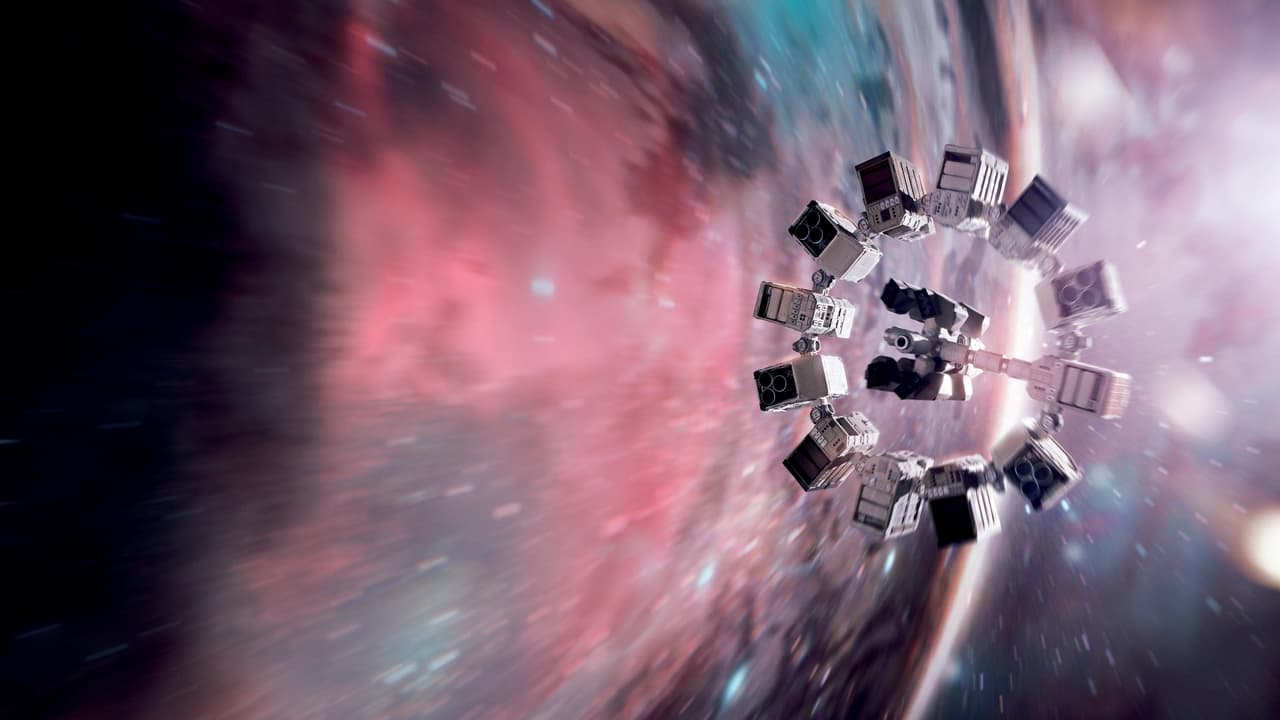
Directed by Christopher Nolan in 2014, the film is set against a backdrop of Earth heading toward extinction under a food crisis. Former NASA pilot Cooper (Matthew McConaughey) is selected for a mission to find a new planet humanity can inhabit. He leaves behind his two children — particularly his daughter Murph (played as an adult by Jessica Chastain) — and travels with his team through a wormhole near Saturn. On the other side, they explore planets where time flows at a different rate from Earth, and the cost of that exploration is decades of time lost with those left behind.
Direction — A Black Hole Shaped by Physics
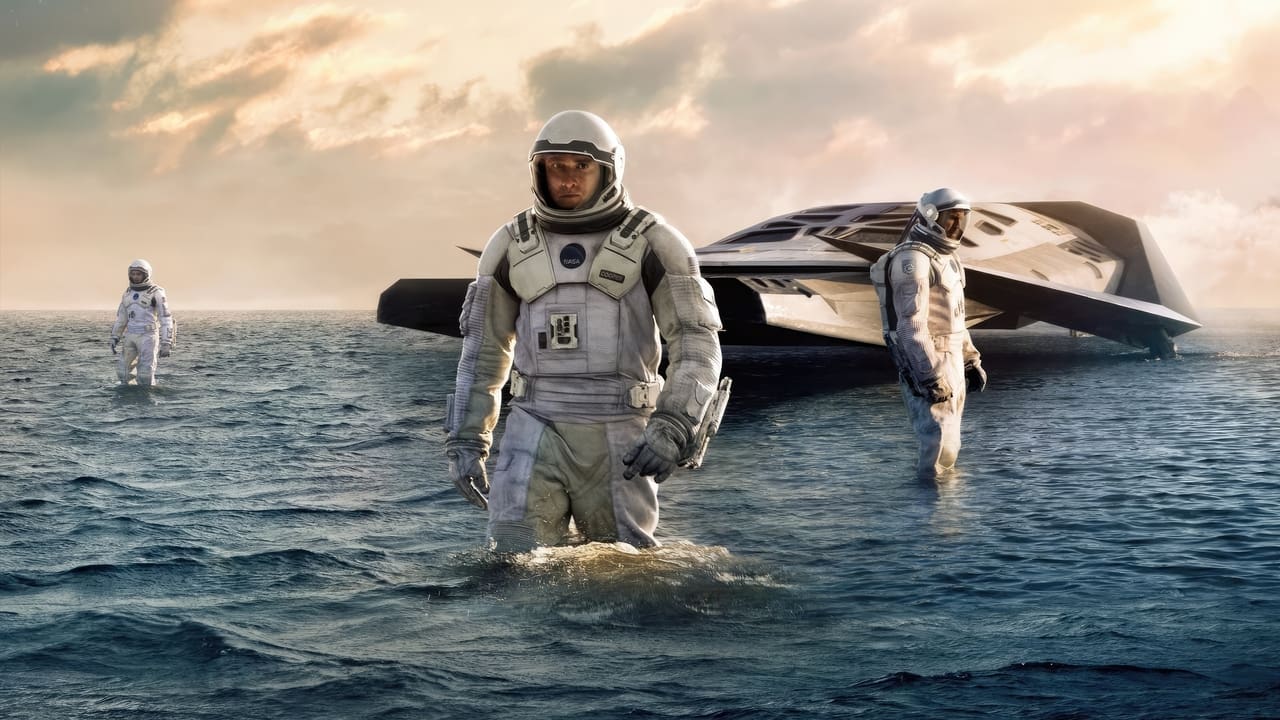
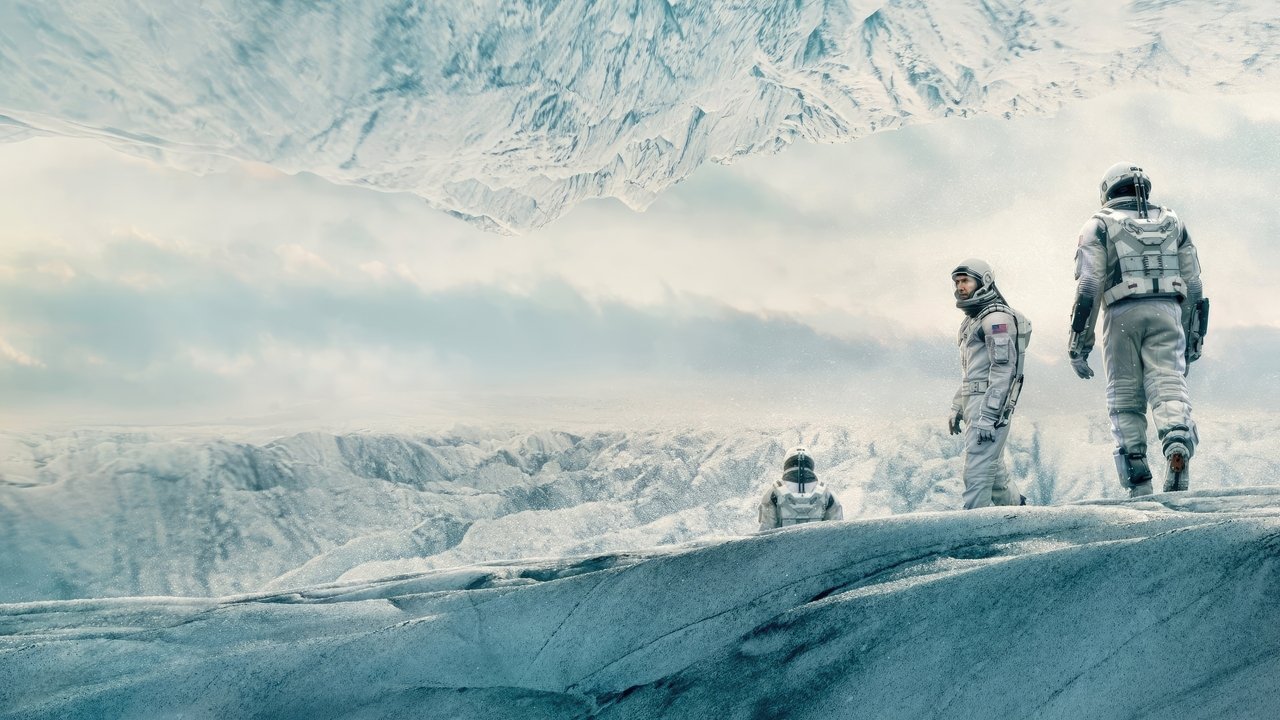
Nolan relied as far as possible on practical effects and real-location photography for this film. The vast farm sequences, the spacecraft interior, and the snowscapes of the ice planet were shot with minimal computer compositing. The visualisation of the black hole Gargantua was developed in collaboration with physicist Kip Thorne to build a theoretically accurate model, a process from which an actual academic paper was published.
Hoyte van Hoytema’s cinematography builds visual solitude by contrasting the vast expanse of space against the tight interior of the spacecraft. Hans Zimmer’s score, centred on pipe organ, creates an atmosphere that is simultaneously religious and cosmic. The moments when the organ swells are also the moments when the film shifts from the language of science to the language of faith.
Performance — McConaughey Before the Video Messages
Matthew McConaughey convincingly portrays a father who is intellectually sound yet whose judgement is compromised by love. The scene in which he receives years’ worth of video messages all at once, due to time dilation, generates the most powerful emotional wave in the film. Anne Hathaway as Brand, a scientist who believes love can be a basis for decision-making, maintains a balance between reason and feeling. Jessica Chastain’s adult Murph holds both anger at and longing for her father simultaneously, anchoring the emotional centre of the final act.
What the film says — Love That Transcends Gravity
Interstellar sets out to translate scientific concepts precisely while converting them into an emotional language. Relativistic time dilation becomes, in the film, the separation between a parent and child and the wait that follows. The concept of five-dimensional space is transposed into the traces of love a parent leaves for a child. Not every viewer will find this translation persuasive. The final sequence inside the black hole draws reactions of disbelief for some. Yet the emotion it generates operates independently of the logic.
What the film ultimately wants to say is something simple: humanity must push into the unknown to survive, and the force driving that push is love. This thesis, dressed in the appearance of science fiction, can sound grandiose — but Nolan narrows it down to the story of Cooper and Murph specifically, and that narrowing is where the persuasion comes from.
Ratings & reception
TMDB score is 8.5. IMDb is 8.7, placing it among the highest-rated films of all time, while Rotten Tomatoes freshness is 73%. Critical reception is more divided than the IMDb audience score, with opinion split on the combination of emotional excess and scientific ambition. The film won the Academy Award for Visual Effects in 2014 and received nominations in cinematography, sound editing, sound mixing, and music.
What doesn’t work
The five-dimensional space sequence in the back half departs boldly from the physical logic the film had been building. The decision was probably necessary for the emotional payoff it delivers, but there is a sense that it introduces a fracture in the scientific trust the first section had established. The Dr. Mann (Matt Damon) episode also feels somewhat like a floating digression within the larger flow of the story.
Verdict
Not a perfect film. But one that stays with you for a long time after. The attempt to place two people’s feelings on top of the scale of the universe is already ambitious, and a substantial portion of that ambition succeeds. My rating is ★4.5. Even for viewers who don’t enjoy sci-fi, it works as a story about a parent and child — there is enough to reach you.
Recommended for
- Viewers who want sci-fi that deals with both scientific concepts and genuine emotion
- Those who want to experience Hans Zimmer’s score and the space visualisation at IMAX scale
- Anyone confident they can sustain focus through a long runtime
Comments