
Mountain Cry (2015)
A Mountain Village Silence Borne by a Woman Who Cannot Speak
by 10days1movie · Published 2026-10-05
| Type | Movie |
|---|---|
| Director | Larry Yang |
| Cast | Lang Yueting, Wang Ziyi, Yu Ailei, Cheng Taishen, Xu Caigen |
| Release | 2015 |
| Genre | Drama, Romance |
| Runtime | 107min |
A story that takes as its protagonist a person who has lost the power of speech is always difficult. With no mouth to explain emotion, everything must be conveyed through the eyes, gestures, and silence. This film chooses that hard road head-on. In a remote mountain village in Shanxi, China, where time seems to have stopped, as the secret of a woman who cannot speak is slowly revealed, the audience comes to read her heart even without subtitles.
What it’s about — A truth known only to a woman who cannot speak
The setting is the early 1980s, a small hamlet in a desolate mountain region. A man named La Hong, who has drifted in from outside, settles in the village with his wife Hong Xia and two children. Hong Xia is a woman who cannot speak, and she remains on the margins, unable to mingle with the villagers. Then one day La Hong is caught in a trap set by a village youth, Han Chong, and loses his life in the accident. By custom the village makes Han Chong responsible for the family left behind, and the two begin an awkward cohabitation. But the truth surrounding La Hong’s death differs from what the village believes, and only the speechless Hong Xia knows that truth.

Direction — Stacking silence until you are made to rage
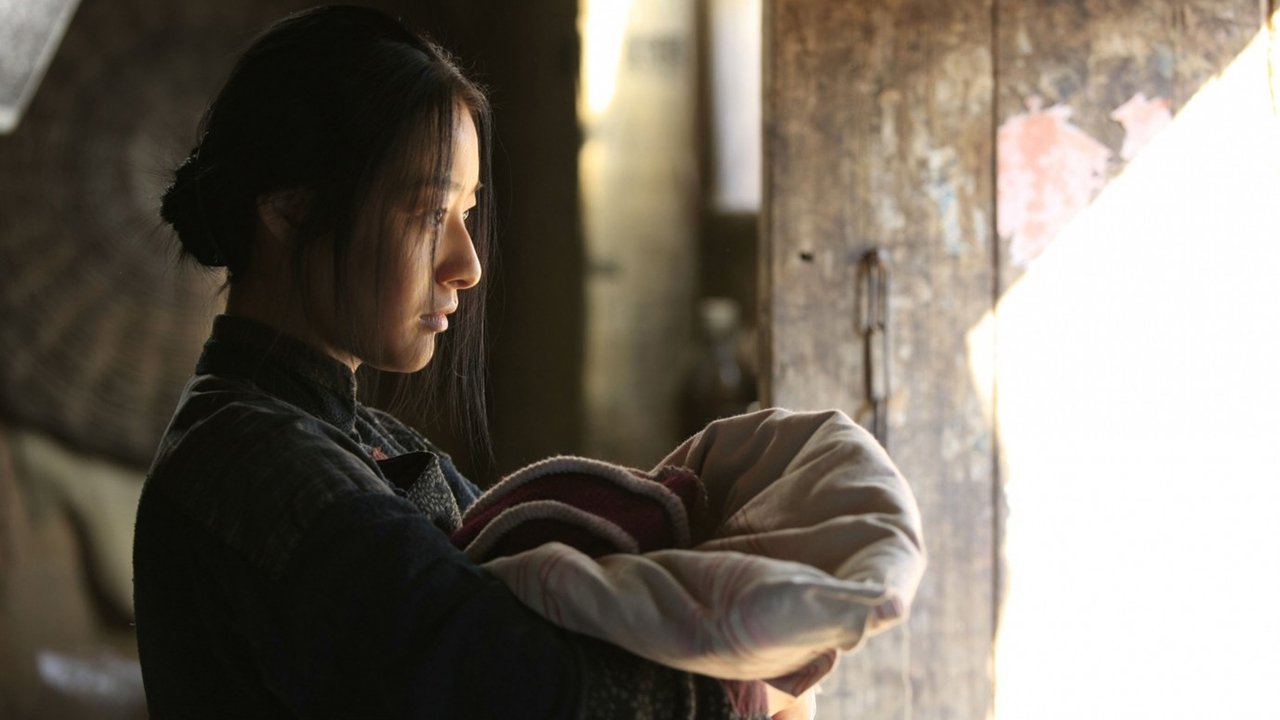
Director Larry Yang treats the mountain village landscape like the characters’ interior. The rough, parched mountains, the old earthen houses, and the narrow alleys reveal in themselves the suffocation of the world in which Hong Xia is trapped. The camera often lingers on her face, letting expression carry the narrative in place of speech. The construction of leaking the truth of the incident bit by bit, rather than revealing it all at once, is also impressive. The audience starts from the same position as the villagers, then gradually shifts to a position of learning, before them, facts they do not know.
What the film truly aims at is collective violence. In the name of custom and saving face, the village easily sacrifices the weak, and the testimony of a woman who cannot speak is treated from the start as nonexistent. The director does not denounce this absurdity loudly. Instead, by stacking up the characters’ quiet faces and the moments where silence stretches long, he makes the viewer rage of their own accord. The restrained choice of music and sound also heightens the weight of this stillness.
Performance — Lang Yueting conveying everything without dialogue
This film essentially stakes everything on Lang Yueting’s face. Without a single line of dialogue, she expresses fear, sorrow, rage, and finally a collapsing heart entirely through expression and body. In particular, the despair she shows in the second half, at the moment the truth is turned away, strikes the chest more forcefully than any cry. It’s a performance that gains a greater resonance precisely because it has no words.
Wang Ziyi, who plays Han Chong, calmly portrays a youth wavering between guilt and responsibility. At first he takes on Hong Xia’s family as if pushed into it, but the change of gradually coming to see her as a human being feels natural. The subtle current of emotion that passes between the two forms another axis of the film.
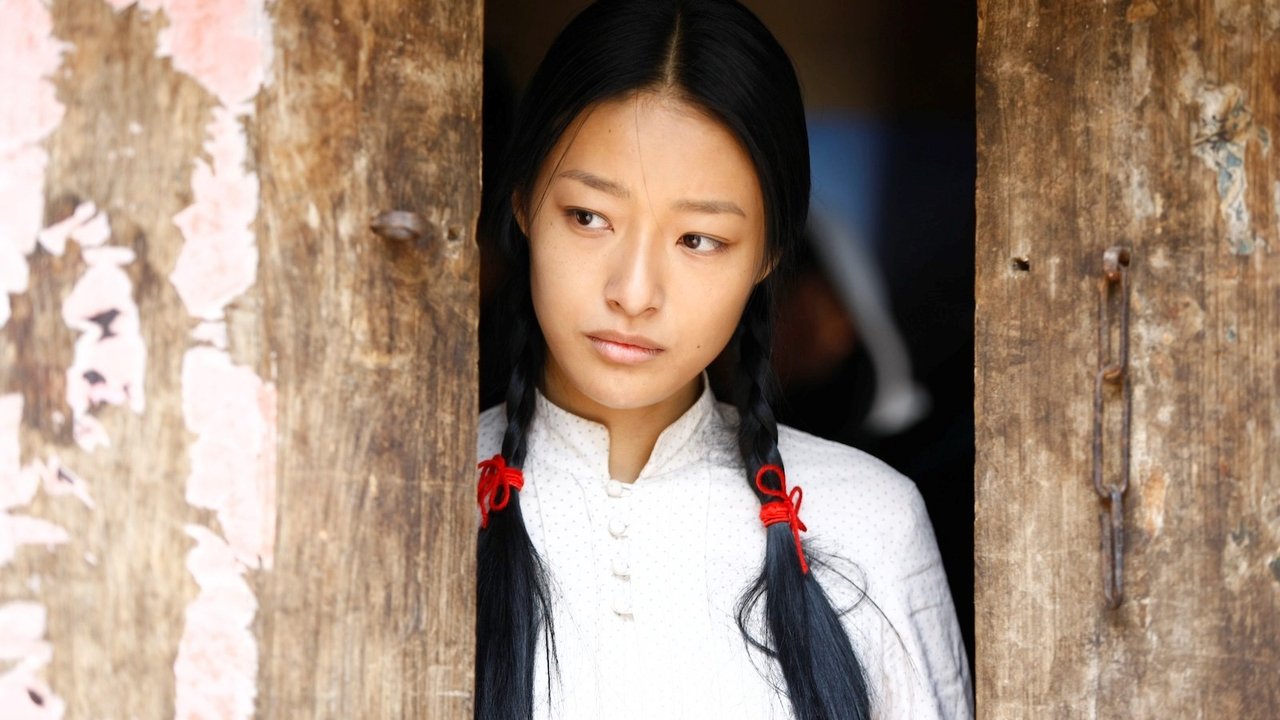
What the film says — The erased cries of the weak
The cry the title points to is not Hong Xia’s alone. It is the cry of all the weak who have been robbed of a mouth to speak the truth, and a denunciation of a community that cannot hear that cry. Through one individual’s tragedy, the film asks how the many erase the voices of the few. “The mountain cries” is a metaphor borrowed from nature, but that cry, never answered in the end, lingers long in the ear even after it leaves the screen.
Ratings and reception
The IMDb rating is 7.2 out of 10. Despite being a small-scale Chinese independent film, it was introduced at several international film festivals and won praise, with particular attention paid to how it reached universal emotion through a speechless protagonist. It’s a work that didn’t ride a flashy distribution network, but among those who saw it, its evaluation has carried on by word of mouth.
Verdict
If you expect a fast pace or a dramatic twist, it may feel rather slow. But the strength of this film lies precisely in that slowness and silence. The grit to make you gaze to the end at the process of one speechless person’s truth being turned away, and the face of one actor who supports it. Those two alone are more than worth a ★4.0 rating.
Recommended for
- Those who like emotional dramas conveyed through expression and silence rather than dialogue
- Those interested in stories of community injustice and the voices of the weak
- Those who enjoy discovering little-known Asian independent films
Comments