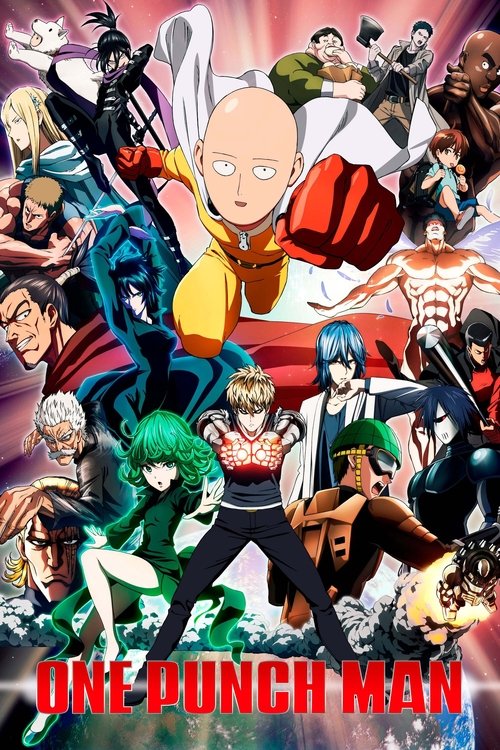
One Punch Man (2015)
The Paradox of the Strongest Hero Being the Most Bored
by 10days1movie · Published 2026-07-14
| Type | Series |
|---|---|
| Director | Natsume Shingo |
| Cast | Furukawa Makoto, Ishikawa Kaito |
| Release | 2015 |
| Genre | Animation, Comedy, Action, Sci-Fi |
| Runtime | 24min |
A hero’s predicament: now that he’s become one, there is no thrill left. This single premise carries enough force to dismantle every cliché the hero genre has spent years accumulating. One Punch Man Season 1 builds outward from that starting point to produce explosive animation, humor, and surprising emotional resonance. When it aired in 2015, it shook the entire anime fanbase.
What it’s about — The strongest hero who ends it in one punch
After three years of special training, Saitama (Furukawa Makoto) has gained the power to defeat any enemy with a single punch. The original story is a web comic by ONE, adapted and redrawn by Yusuke Murata, with Madhouse producing the anime. Season 1 ran for twelve episodes beginning October 2015, and was greeted immediately with unprecedented praise for its animation quality. The structure — with Saitama starting as a rank C hero at the very bottom of the Hero Association — serves as the axis of the show’s comedy and satire.
Direction — Animation that redefined the limits
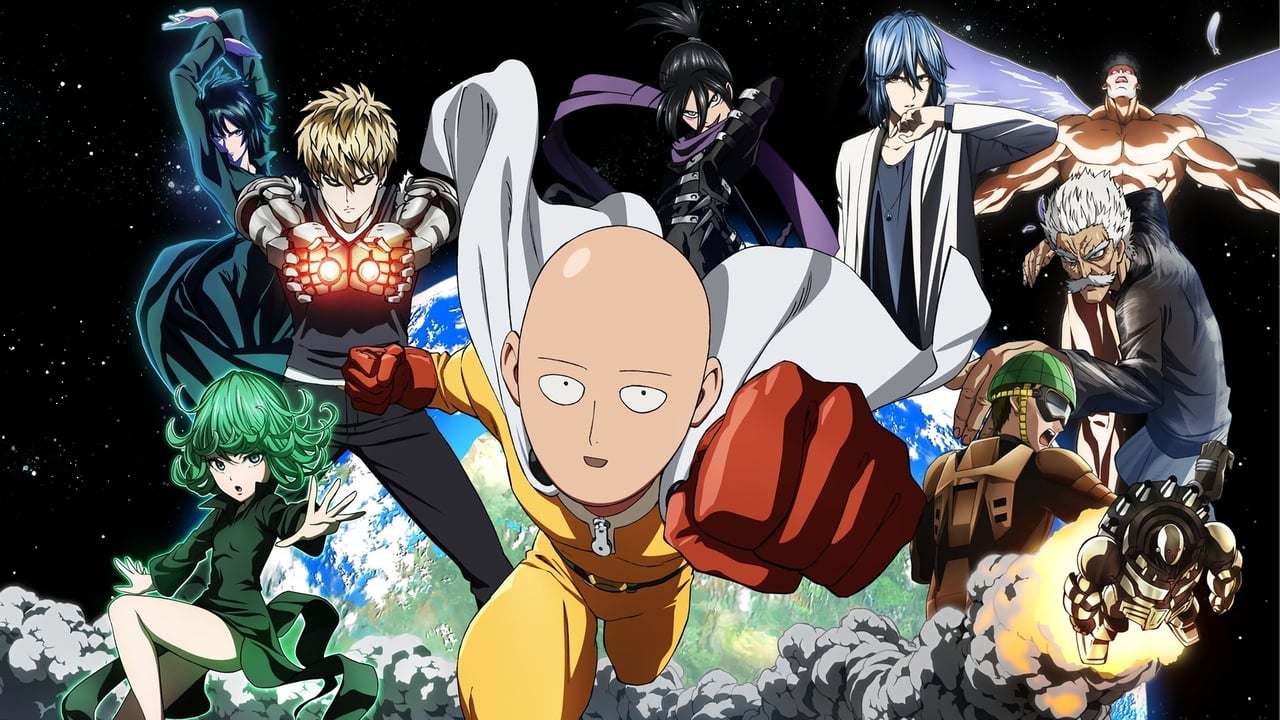
Director Natsume Shingo and Madhouse’s animation redefined the technical limits of TV anime as of 2015. The battle sequence against the final boss in particular demonstrates dynamism and density rarely seen in television animation. The technique of deliberately drawing Saitama in a simple, comic style in his daily life and then switching to a completely different visual register in combat is effective. The music too is carefully designed to serve each scene’s tone, doing its job equally well in comedy and action.
Performance & characters — Sadness and humor held within the flatness
Furukawa Makoto flawlessly inhabits the unique character of Saitama. The way he plays the listlessness while embedding sadness and humor within that flat delivery — for a character who is numb yet genuinely longs for the excitement of a fight — is superb. Ishikawa Kaito’s Genos is always earnest and passionate in contrast to Saitama, and the interplay between the two characters carries a large share of the series’ comedy.
What the work says — The emptiness after becoming the strongest
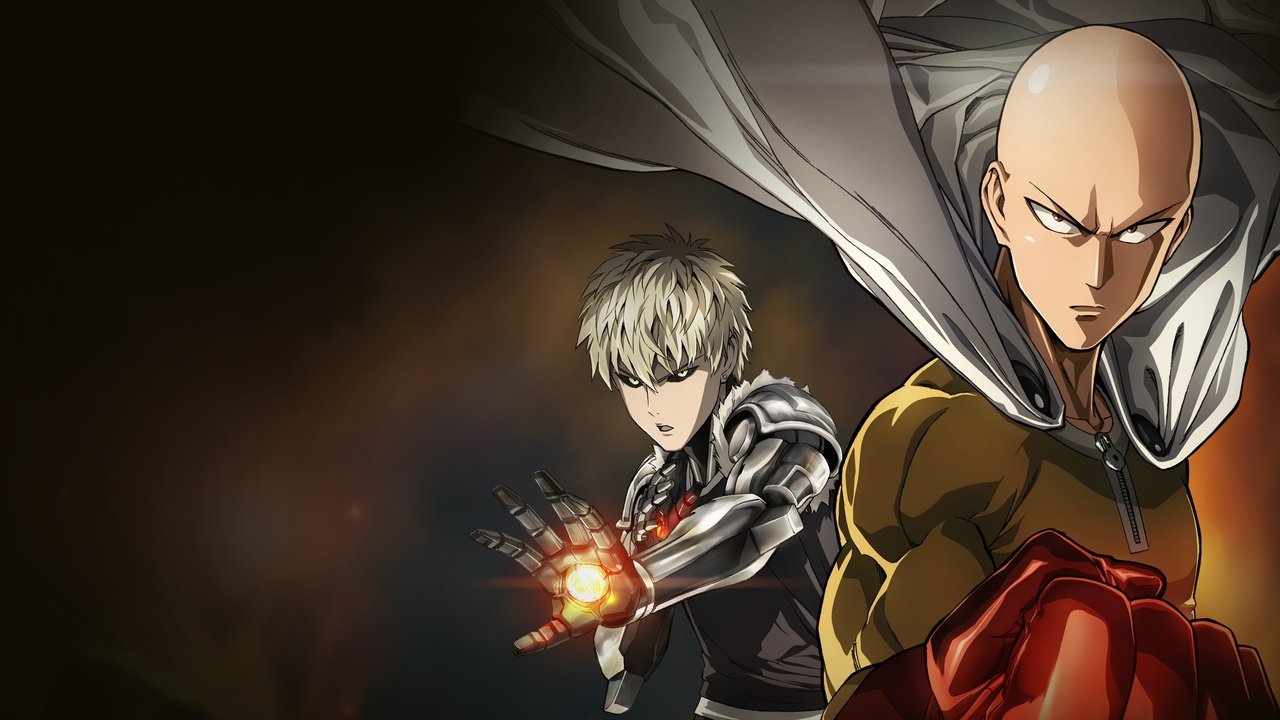
The question One Punch Man poses to the hero genre is simple: if you become so strong that nothing can defeat you, what comes next? Saitama’s expressionless face keeps showing us that the answer to that question is emptiness. Meanwhile, quietly threading through the humor, is the idea that this emptiness comes from loneliness — that having no true rival separates him from the world. The premise that a hero continues doing what is right even without public recognition is simple but powerful.
Ratings & reception
IMDb score is 8.6. TMDB series score is 8.4. It was named one of the best anime of its year and is consistently recommended to non-anime fans as a low-barrier entry point. The quality of the fight sequences and direction is still talked about a decade on.
What doesn’t quite work
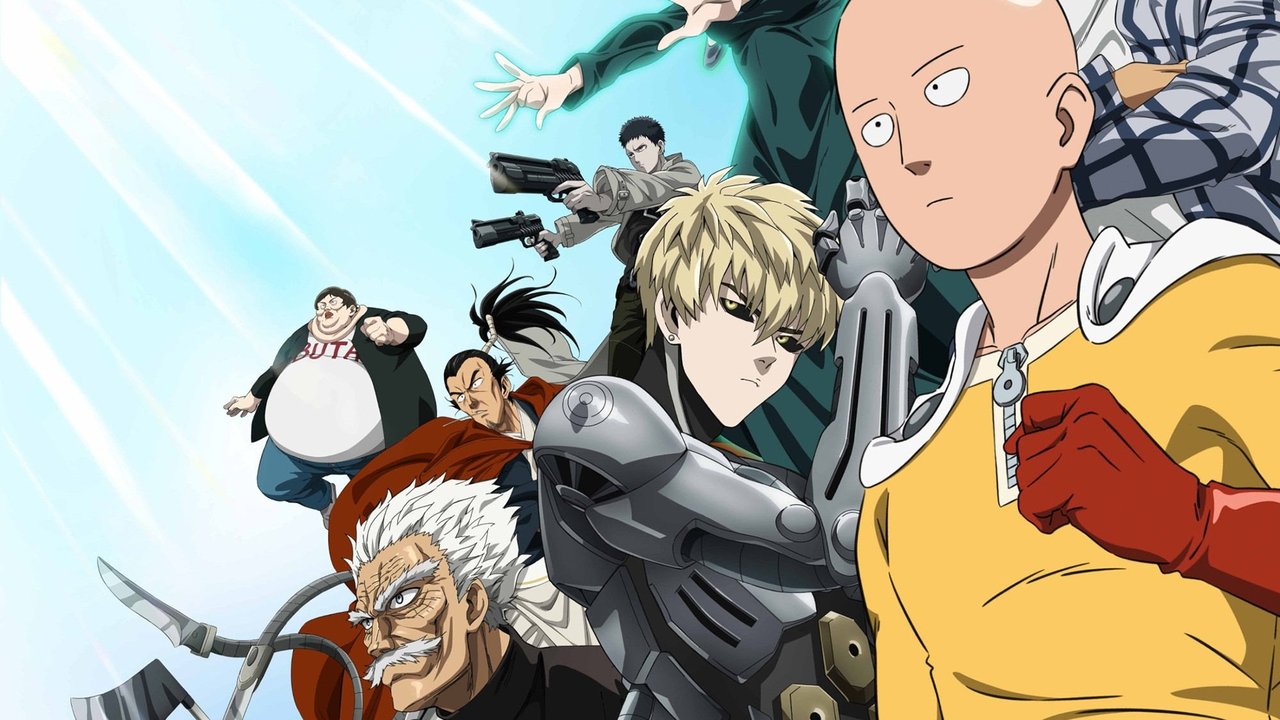
The season ends at twelve episodes, leaving the story unresolved and rolling into the next season. As a standalone, Season 1 lacks a sense of closure. Additionally, because the show deliberately dismantles the standard narrative grammar of hero stories, the catharsis of a conventional anime’s goal-setting and growth arc won’t be found here. This is intentional — but depending on your tastes, it may feel like a gap.
Verdict
Rating: ★4.0. A must-watch for anyone who regularly enjoys anime, and an ideal entry point for those who don’t. The animation alone is reason enough to experience this season. Saitama is one of the most original protagonists in the history of the hero genre. The instances of this premise — that extreme power makes a person profoundly lonely — being expressed with this level of humor are rare both before and after. The comedy produced by the dynamic between Saitama and Genos, and their awkward coexistence with the bureaucracy of the Hero Association, works all twelve episodes through.
Recommended for
- People who enjoy stories that subvert the clichés of the hero genre
- Viewers looking for high-quality action anime
- Those who want a story that starts light and deepens as it goes
Comments