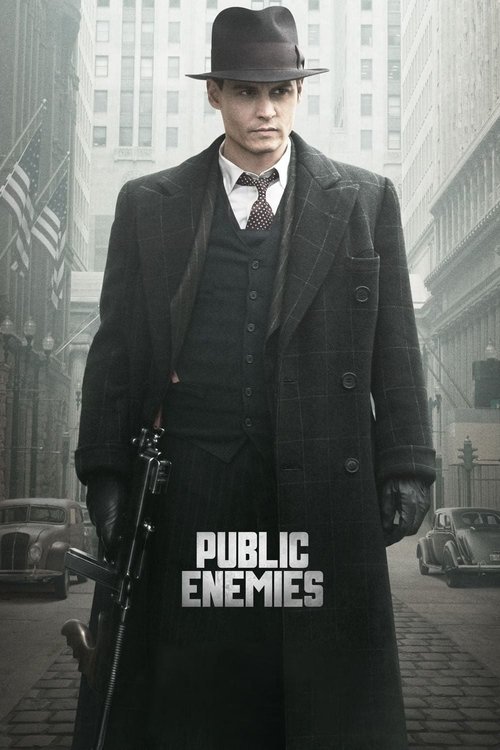
Public Enemies (2009)
A Great Depression Outlaw Revived by Digital Cameras
by 10days1movie · Published 2026-10-10
| Type | Movie |
|---|---|
| Director | Michael Mann |
| Cast | Johnny Depp, Christian Bale, Marion Cotillard, Jason Clarke |
| Release | 2009 |
| Genre | Crime, History, Drama |
| Runtime | 140min |
A film about a Great Depression bank robber usually makes you expect a nostalgia like a faded black-and-white photograph. But Michael Mann took the opposite road. Though set in the 1930s, Public Enemies puts high-resolution digital cameras front and center, etching onto the screen a vividness as if you’ve stepped directly into that era. This work, which follows the last year of the legendary bank robber John Dillinger, reshapes the familiar gangster genre in an unfamiliar texture.
What it’s about — The last year of Public Enemy No. 1, Dillinger
John Dillinger (Johnny Depp) is an outlaw who robs banks and earns a strange public adoration in an era when the Great Depression has everyone mired in poverty. With bold, swift skill he robs bank after bank, gracing the front pages of newspapers, and falls in love with Billie Frechette (Marion Cotillard), whom he meets at a club. Meanwhile, FBI director Hoover designates Dillinger as Public Enemy No. 1 and entrusts the pursuit to the cold-blooded agent Melvin Purvis (Christian Bale). The film intercuts the last sprint of a man who senses, within a tightening net, that the times are changing, with the law’s relentless chase after him.
Direction — An immediate urgency etched by the digital image
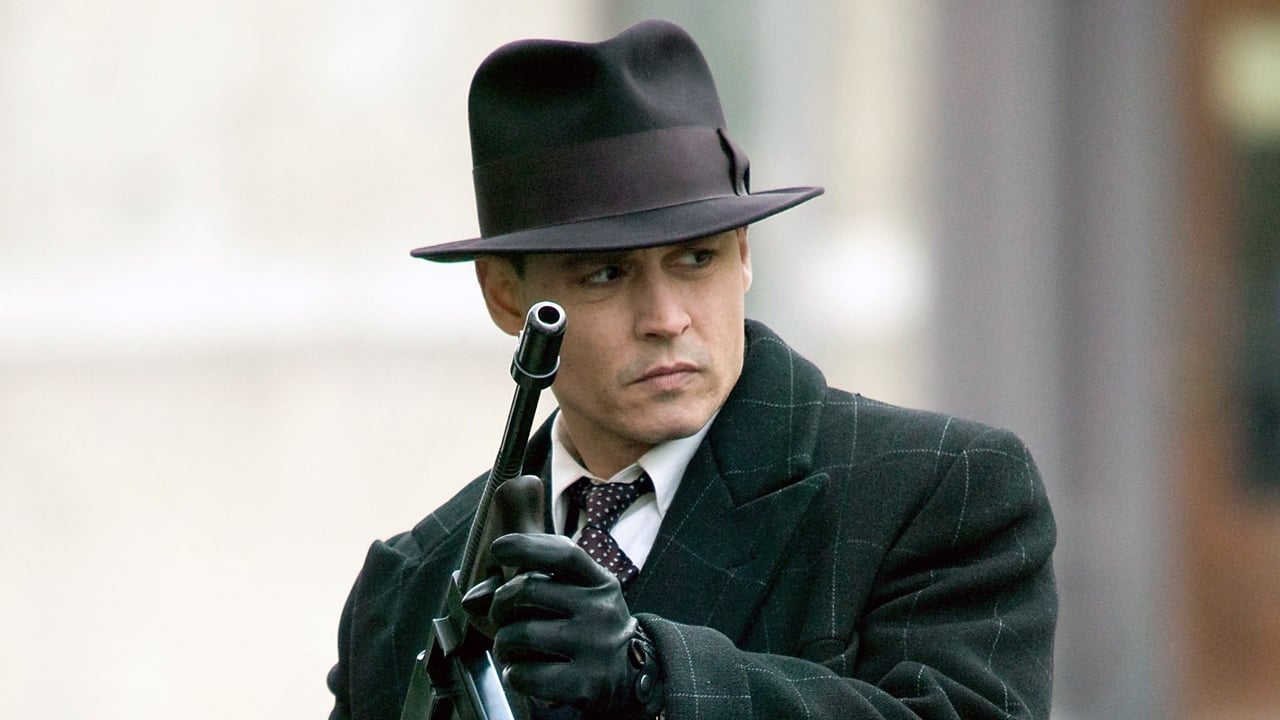
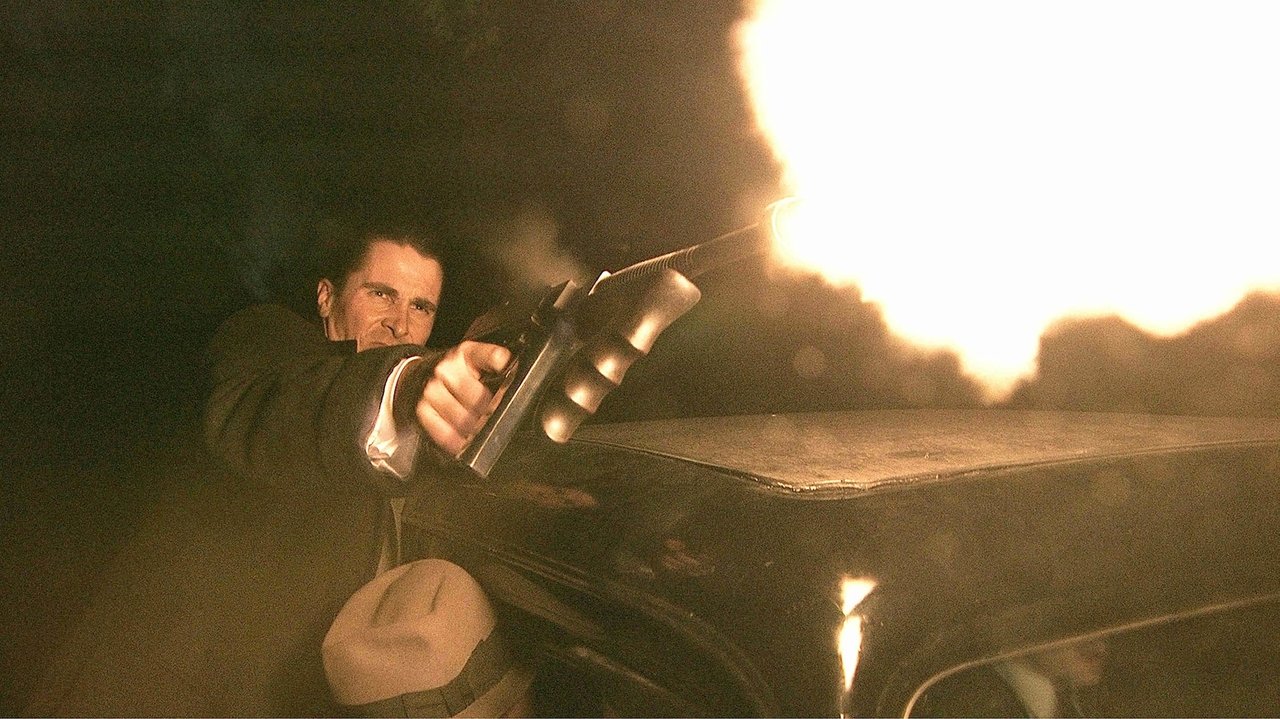
Michael Mann’s digital cinematography is the most controversial and at the same time the most impressive choice in this film. Instead of the soft film texture usually expected in a period piece, he draws the audience into the heart of events through a sharp, rough digital image. In particular, in the night gunfights the muzzle flash cutting through the darkness, thanks to the clarity unique to digital, delivers an immediate shock as if you were right there. Instead of stirring nostalgia, he chose a present-tense urgency.
Mann’s skill in directing gunfights is as outstanding as ever. The gunfight scenes set against the middle of a city and a forest hideout carefully preserve even the texture of the gunfire and the resonance of the space, faithfully filling the pleasure of a genre film. That said, there’s also a regret that across the 140-minute runtime it doesn’t dig sufficiently into Dillinger’s interior. There are passages where the character’s psychological depth feels shallow compared to the listing of events, which becomes a point that divides opinion.
Performance — Restrained charisma and a cold pursuer
Johnny Depp portrays Dillinger as a charming yet somehow hollow figure. Behind the relaxed smile he shows before the public glints the loneliness of a man who senses his era is ending. Though known as an actor of flashy transformations, here he fills the character with restrained charisma. Christian Bale, on the opposite side, plays Purvis, the cold and airtight pursuer, sharply establishing the contrast with Dillinger. Marion Cotillard breathes emotional warmth into the role of Billie, adding human weight to the outlaw’s sprint. In particular, her performance in the second half creates the film’s most heart-stirring moments.
What the film says — The romance of the outlaw collapsing before the system
Public Enemies is a film about the end of an era. Dillinger represents an age of impulsive, personal crime, but the FBI chasing him is a new power armed with systematic surveillance and organization. Through the process of the outlaw’s romance crumbling before the efficiency of the system, the film captures the figure of one human being swept away by a tide of change larger than himself. That the public revered him like a hero was, too, an illusion created by an era of despair, the film calmly shows.
Ratings and reception
By OMDb, the IMDb rating is 6.9 out of 10. The Rotten Tomatoes freshness is 68 percent and the Metacritic score is 70 out of 100, generally favorable but somewhat split in opinion. Michael Mann’s bold digital cinematography, excellent gunfight direction, and the actors’ fine performances were widely recognized. On the other hand, there were criticisms that the depiction of the characters’ interiors was insufficient, and reactions that the texture of the digital image didn’t suit a period piece. The assessment that this very unfamiliarity is the film’s identity has gradually gained force over time.
Verdict
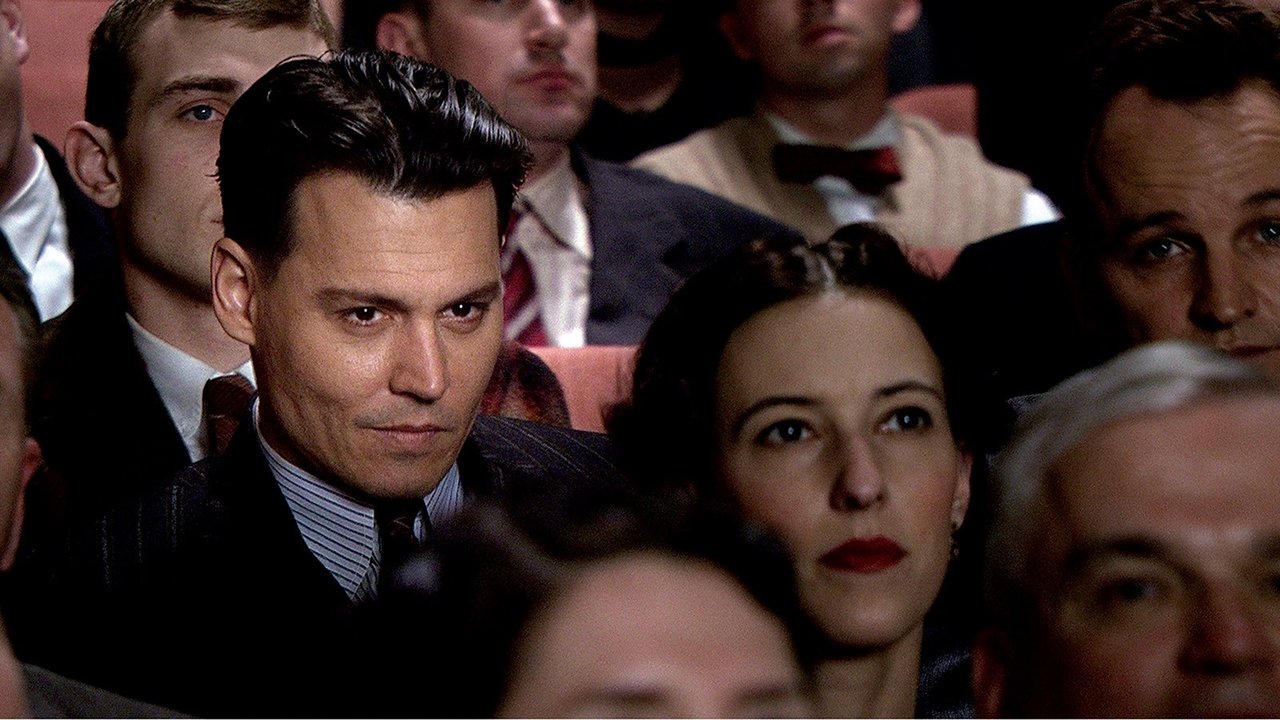
Public Enemies is a work that unpacks the familiar subject of the gangster film in the most contemporary way possible. Mann’s choice to take the urgency of the present rather than steeping in nostalgia divides opinion, but that very challenge makes the film memorable. The clash between Johnny Depp and Christian Bale, and Marion Cotillard’s warm performance, fill the empty spaces. It’s hard to call it perfect, but it’s a film that leaves a four-star impression with a clear personality.
Recommended for
- Those who like Michael Mann’s signature realistic gunfight direction
- Those who want to see a period piece that draws the Great Depression in a new texture
- Those intrigued by the showdown structure of Johnny Depp and Christian Bale
Comments