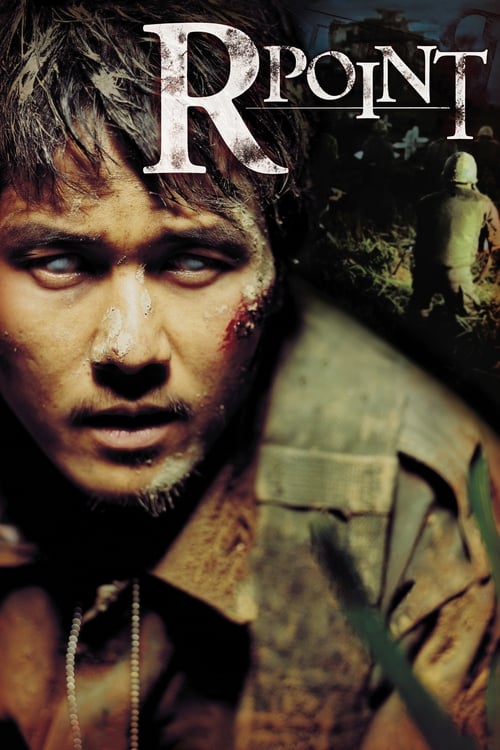
R-Point (2004)
A Horror Summoned by the Guilt War Leaves Behind
by 10days1movie · Published 2026-10-11
| Type | Movie |
|---|---|
| Director | Kong Su-chang |
| Cast | Kam Woo-sung, Son Byong-ho, Oh Tae-kyung, Park Won-sang, Lee Sun-kyun |
| Release | 2004 |
| Genre | Horror, War, Mystery |
| Runtime | 107min |
There are many films in which ghosts are frightening, but few in which human sin is more frightening than any ghost. Director Kong Su-chang’s R-Point shapes that rare kind of horror on the stage of the Vietnam War. Rather than leaning on cheap jump scares, it lays down, like a fog, the guilt that men who killed in war can never escape. That is why this film’s chill does not fade for a long while even after the screen goes dark.
What it’s about — A search party deployed to a land of massacre
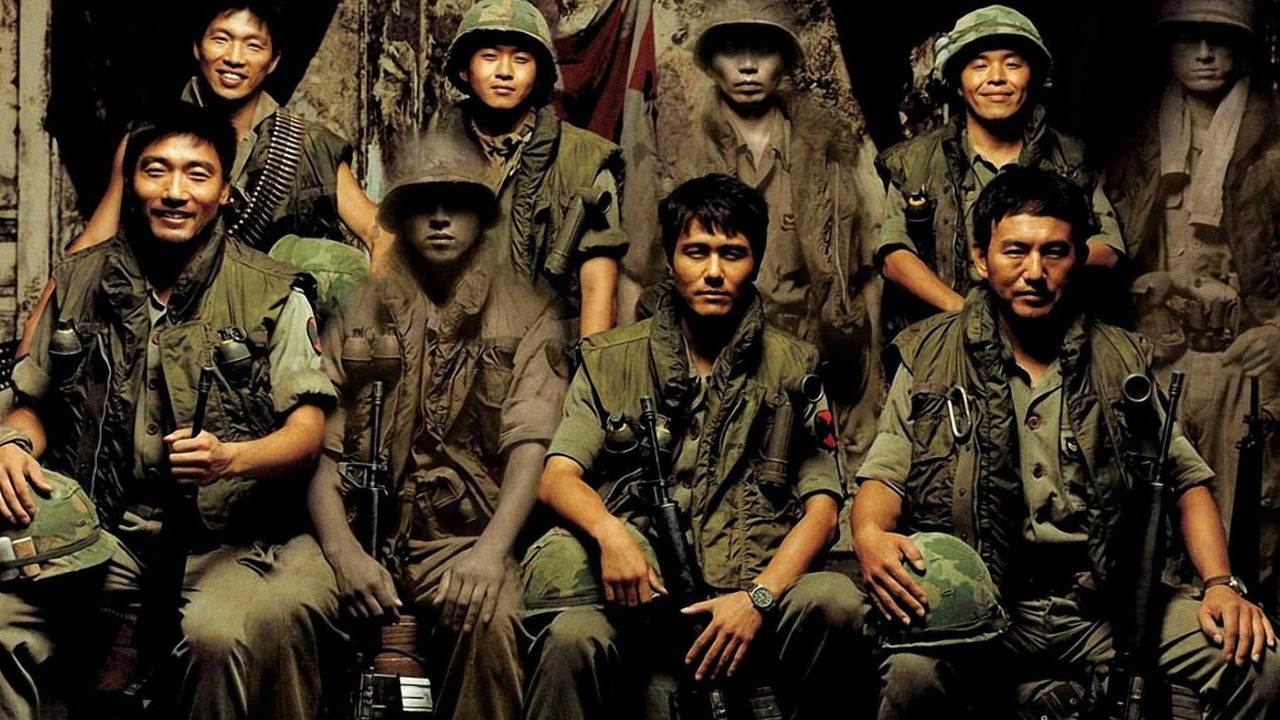
Vietnam, 1972. A mysterious radio transmission comes through from a search party already listed as missing, and Lieutenant Choi Tae-in leads nine soldiers into a remote area called R-Point. Using a ruined French-style mansion as their base, they learn that this is land where countless people were once massacred. As time passes, the squad is tormented by phenomena they cannot explain, and it grows hazy who among them is living and who is already dead. Rather than showing the nature of the horror plainly, the film builds dread through the process of the characters slowly breaking down.
Direction — Unease grown by not showing
Director Kong Su-chang makes you feel horror rather than showing it. Instead of relying on sudden noises or figures leaping out, he creates unease through a humid jungle, an empty mansion, and an endlessly settling fog. That restraint, hinting that something is in the frame yet never letting you see it for certain, instead stirs the audience’s imagination and grows the fear.
The film’s true terror comes from the moment the characters begin to doubt one another, and themselves. As it becomes impossible to tell who is truly alive, the squad collapses from within, and that fracture feels more menacing than any ghost. A thematic awareness of judgment visited upon those who killed on the battlefield seeps through every corner of the atmosphere, lending it a weight beyond a simple genre piece. That said, there are points where the story grows ambiguous as it heads into the second half, which may feel somewhat frustrating for viewers who want a clear ending.
Performance — Squad members consumed from within
Kam Woo-sung plays Lieutenant Choi Tae-in, who bears responsibility for the squad, with a heavy gravity. He captures, without exaggeration, the inner life of a commander wavering between the duty to protect his men and a situation slipping ever further beyond control. The more he holds out against breaking, the tighter the film’s tension grows.
The actors playing the squad members, including Son Byong-ho, are each consumed by fear along a different grain. The process of trembling, doubting, and finally losing their reason is drawn naturally, so that each time a character collapses, that fear spreads to the audience. The fresh yet desperate performances of the young actors, including Lee Sun-kyun in his early days, realistically convey the anxiety of youth thrown onto a battlefield.
What the film says — Scarier than ghosts is guilt
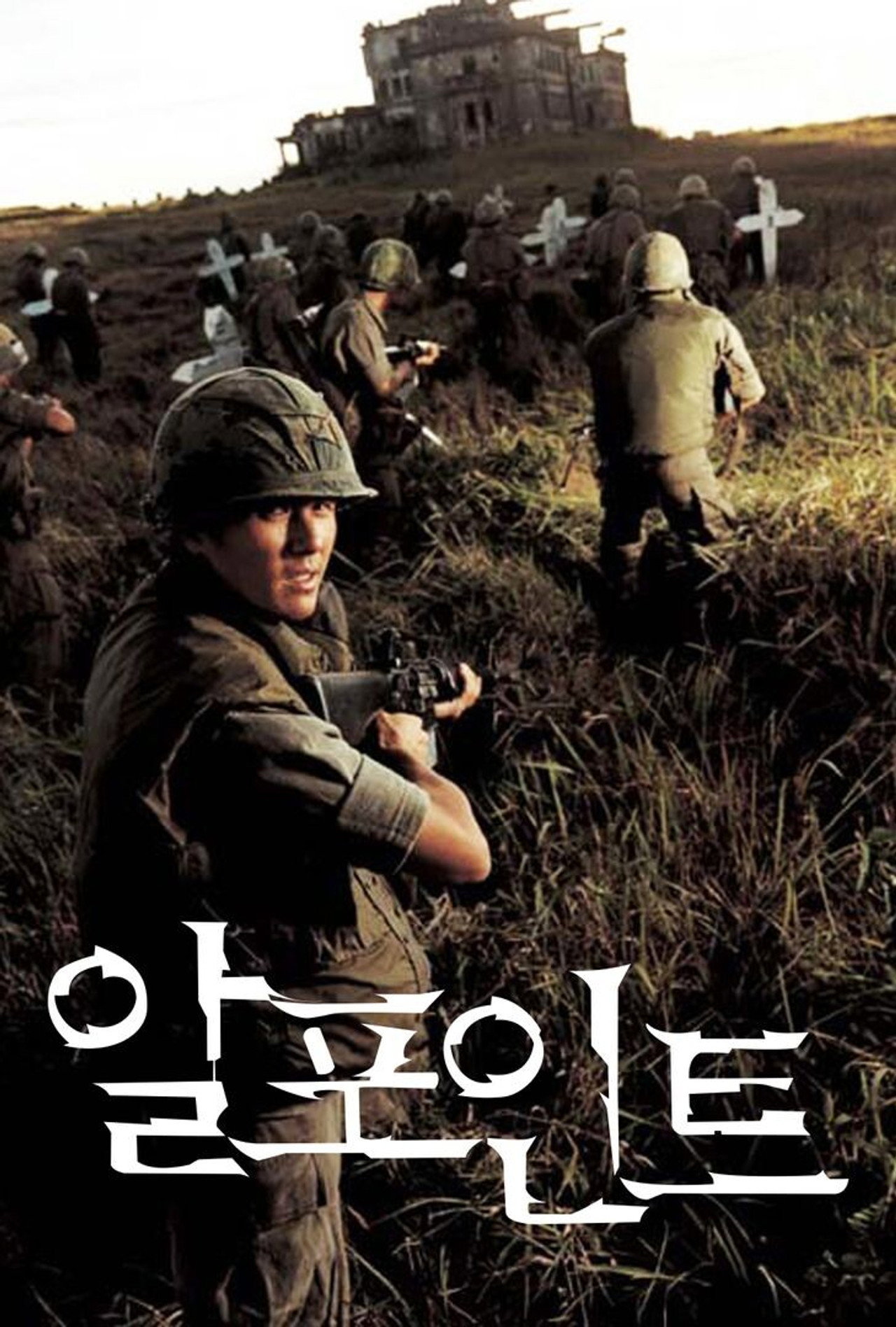
R-Point’s true subject is not ghosts but guilt. The film pushes the proposition that those whose hands are stained with the blood of killing can never return all the way to the end, borrowing the form of horror. R-Point as a place is itself a tomb of the sin war left behind, and those who set foot in it come face to face with the sin they have looked away from. This perspective, that one cannot be free of whom one killed and what one did, draws the horror of war up not from an external enemy but from within human beings.
Ratings & reception
R-Point is counted among the representative Korean horror films that competed on atmosphere. Its IMDb rating is 6.2 out of 10, and the Rotten Tomatoes freshness score is 50 percent, so opinion is divided. It was praised for restraining jump scares and pushing forward with psychological pressure and thematic awareness, but at the same time its slow pace and ambiguous ending split viewers. Even so, its original premise of fusing war and horror is steadily revisited.

Verdict
R-Point creates a horror that lingers long without straining to be scary. Because it competes on atmosphere and guilt rather than visual shock, it can feel tame if you expect sensational scares. But as you follow the slowly tightening unease and the characters’ collapse, before you know it you are caught in that damp air. The rating is ★4.0. It is a work hard to leave out when discussing a particular branch of Korean horror cinema.
Recommended for
- Those who prefer films that press with atmosphere over jump scares
- Those interested in works that unpack the heavy themes of war and guilt as genre cinema
- Those who enjoy films that linger as an aftertaste even when the ending is not crystal clear
Comments