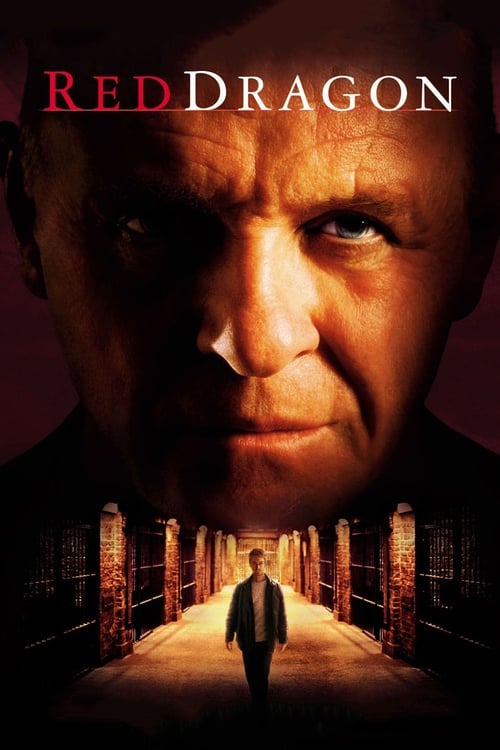
Red Dragon (2002)
The Starting Point of the Hannibal Lecter Myth
by 10days1movie · Published 2026-10-12
| Type | Movie |
|---|---|
| Director | Brett Ratner |
| Cast | Edward Norton, Anthony Hopkins, Ralph Fiennes, Emily Watson, Harvey Keitel, Philip Seymour Hoffman |
| Release | 2002 |
| Genre | Crime, Thriller, Horror |
| Runtime | 124min |
Back when Hannibal Lecter was still free outside the bars, who was the first to put him away? Red Dragon is a story dealing with a time before The Silence of the Lambs, following how Lecter came to be imprisoned and what price the investigator who caught him paid. Though a prequel to a familiar series, it does not stop at simply filling in the past but creates a self-contained tension in its own right.
What it’s about — The return of the investigator who first caged Lecter
Will Graham (Edward Norton), a former FBI profiler, was critically wounded in the process of apprehending Lecter (Anthony Hopkins) and stepped back from the front line. While spending a peaceful retirement, he is called back in the face of a serial case in which entire families are murdered each time the full moon rises. To read the killer’s thinking, he ultimately goes back to the very Lecter he caged, and Lecter twists that meeting into a game of his own. Meanwhile, the killer Francis Dolarhyde (Ralph Fiennes) wanders in a madness that seeks to transform himself into the Red Dragon, obsessed with a painting by William Blake.
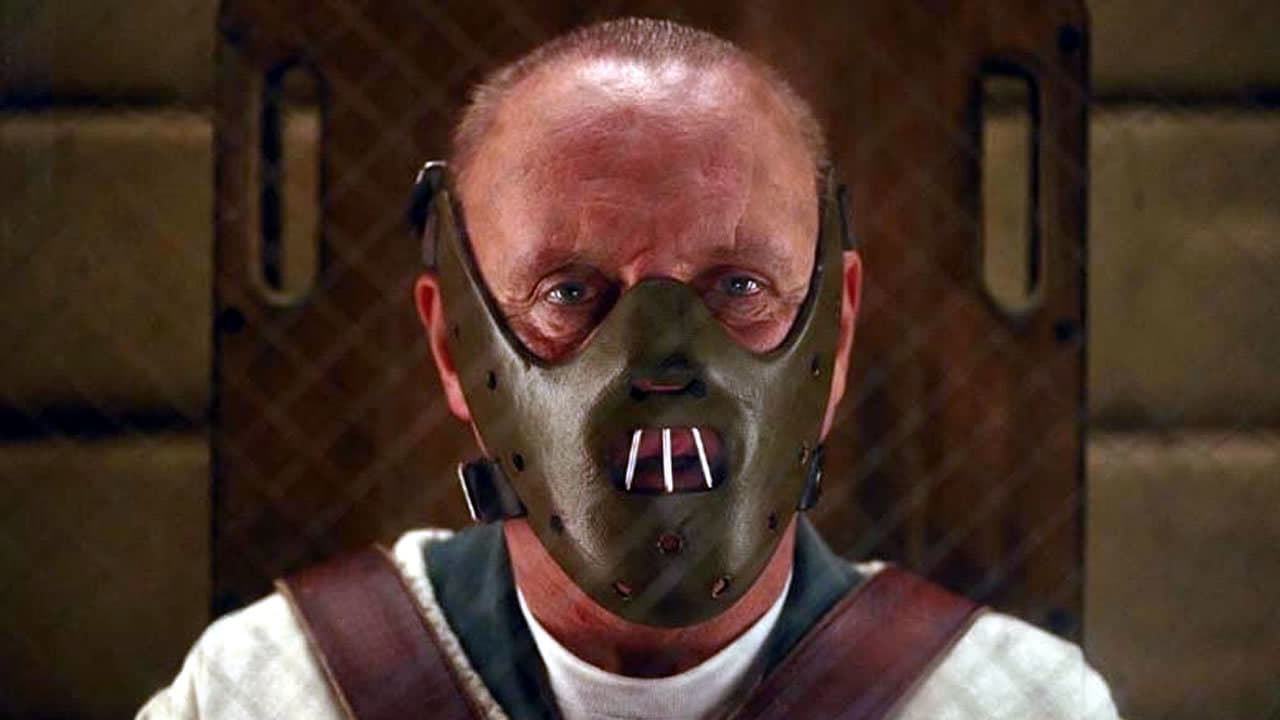
Direction — A static tension across a single pane of glass
Brett Ratner’s direction chooses a straightforward approach over flashy technique. Faithfully following the structure of the source novel, he maintains the calm rhythm unique to a procedural. This point can divide opinion. If Michael Mann’s Manhunter, the first to put Thomas Harris’s world on screen, left a strong signature with its rough, stylized mise-en-scène, Red Dragon aims for a smoother, more mainstream grain. In return, it secures room to concentrate on the story’s clarity and the actors’ performances.
The skill of building suspense is solid. The passage where Dolarhyde grows close to the blind woman Reba brings an unexpected warmth into the middle of a horror film, and because of this warmth, the tragedy when he collapses back into madness arrives all the more heavily. The conversation scenes between Lecter and Will, too, taut-ly pull the subtle struggle for the upper hand between the two within a static frame. That the short lines exchanged across a single pane of visiting-room glass create a tension stronger than any action is one of this series’ unchanging charms.
The way it draws the investigation line also has no gaps. The film does not consume the process of chasing the killer as a simple puzzle game but depicts together the weight of that pursuit threatening the investigator’s own life and family. Thanks to this, the closer the case moves toward resolution, the more the tension tightens rather than slackens.
Performance — The pitiful monster crafted by Fiennes
Anthony Hopkins’s Lecter is still overwhelming. Even playing the same role for the third time, he is not complacent for a single moment, adjusting the predator’s nature lurking beneath the gentle speech to exactly the right concentration. Edward Norton convincingly portrays an investigator more weary and anxious than heroic, keeping his own place without being buried by Lecter’s brilliance. But the most impressive performance in this film belongs to Ralph Fiennes. He portrays Dolarhyde not as a simple monster but as a pitiful human being who longed to be loved yet finally destroyed himself. The solid backing of supporting players like Emily Watson, Harvey Keitel, and Philip Seymour Hoffman also raises the film’s density.
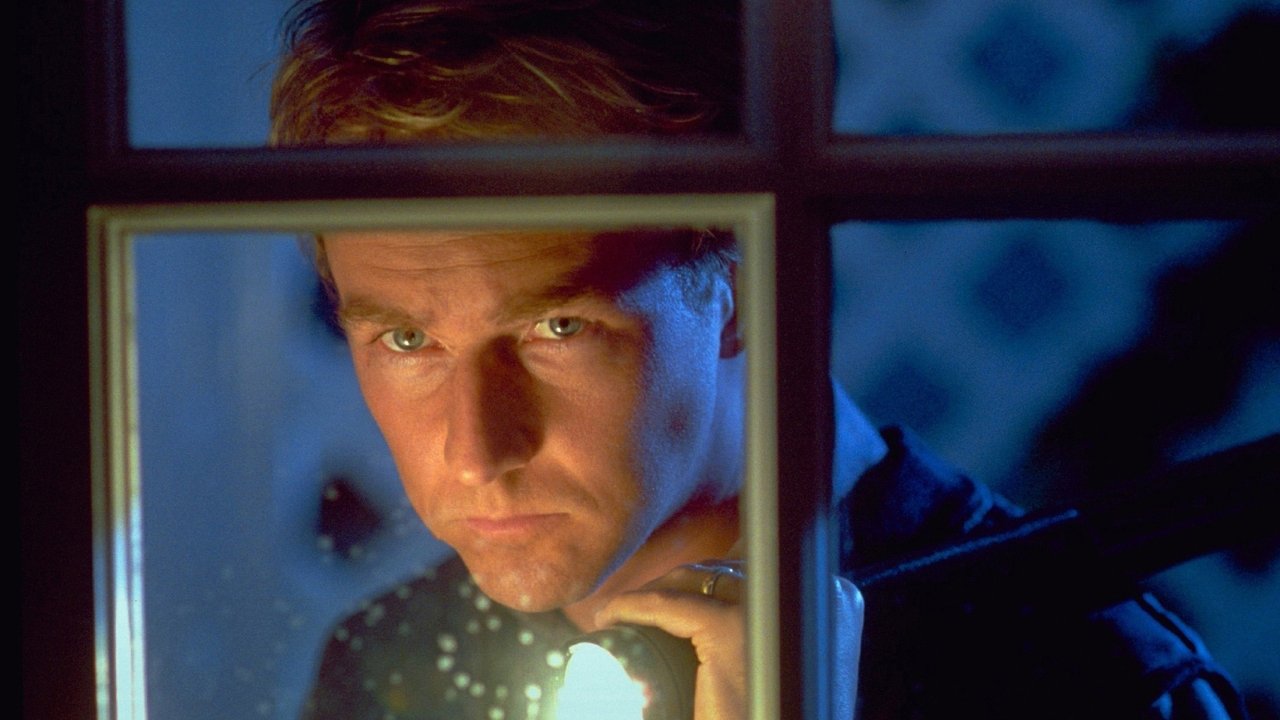
What the film says — The price of being stained by evil while chasing it
Red Dragon is a film that peers into the birth of a monster. Dolarhyde commits horrific crimes, but the film does not avert its eyes from the roots of deprivation and self-loathing that made him. At the same time, through Will Graham, it shows the mental price paid by a person who must enter the thinking of evil in order to understand it. The premise that to catch someone you must see the world they see, and in that process you too are stained little by little, is the core of the fascination running through the entire series.
Ratings and reception
By major film databases, the rating is 7.2 out of 10. The critical freshness index recorded 68 percent, and the aggregate critics’ score 60 out of 100. It’s a somewhat conservative evaluation compared to the renown of the earlier films, but thanks to a solid script and a lavish cast, it holds a stable place as one pillar of the series.
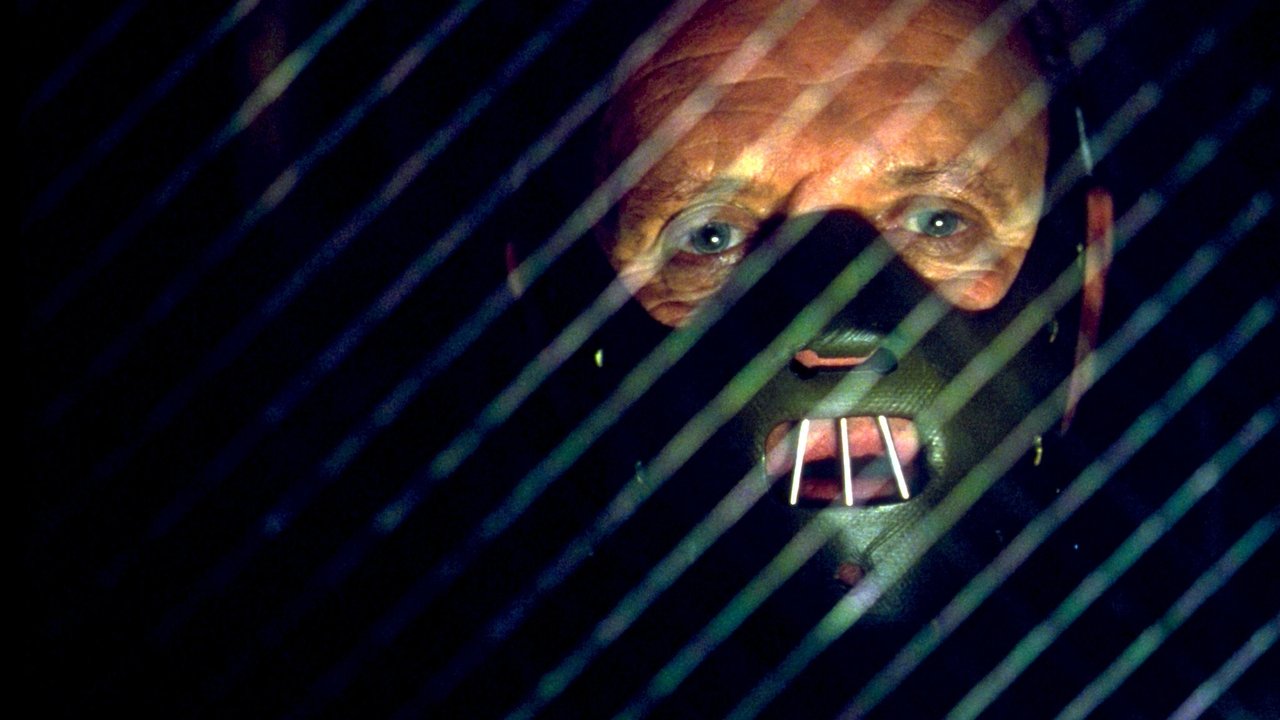
Verdict
Red Dragon is not adventurous, but it’s a film that does its job precisely. It neatly arranges the starting point of the Lecter myth while leaving behind another unforgettable character in Ralph Fiennes. Even if it falls short of the series’ peak, it’s a sufficiently weighty entry, and for that I give it ★4.0.
Recommended for
- Those who want to binge the Hannibal Lecter series in chronological order
- Those who like thrillers focused on mind games and character over brutality
- Those who want to see Ralph Fiennes’s deep villain performance
Comments