
Stranger Season 2 (2020)
Hwang Si-mok Is Still Right and the World Is Still Wrong
by 10days1movie · Published 2026-07-11
| Type | Series |
|---|---|
| Director | Park Hyun-seok |
| Cast | Cho Seung-woo, Bae Doona, Jeon Hye-jin |
| Release | 2020 |
| Genre | Crime, Drama, Mystery |
| Runtime | 70min |
If Season 1 dug into corruption within the prosecution, Season 2 takes on a more complex set of interests against the backdrop of the conflict between prosecution and police over investigative authority. The structure is more expansive, and the dilemmas facing Hwang Si-mok as a character are sharper. Viewers who have seen Season 1 will find the same density that defines this drama fully intact in Season 2.
What it’s about — A reunion amid the prosecution-police authority conflict
Prosecutor Hwang Si-mok (Cho Seung-woo) and detective Han Yeo-jin (Bae Doona) are drawn together again. This time, they investigate the death of a missing police special unit chief amid political conflict over the redistribution of investigative authority between the prosecution and the police. Season 2 aired on tvN in August 2020, with Park Hyun-seok taking over direction from Season 1’s Ahn Gil-ho. It handles the complex subject of institutional collision while never losing its weight as a character drama — a strong continuation of Season 1’s legacy.
Direction — The structure of power drawn by two institutions’ spaces
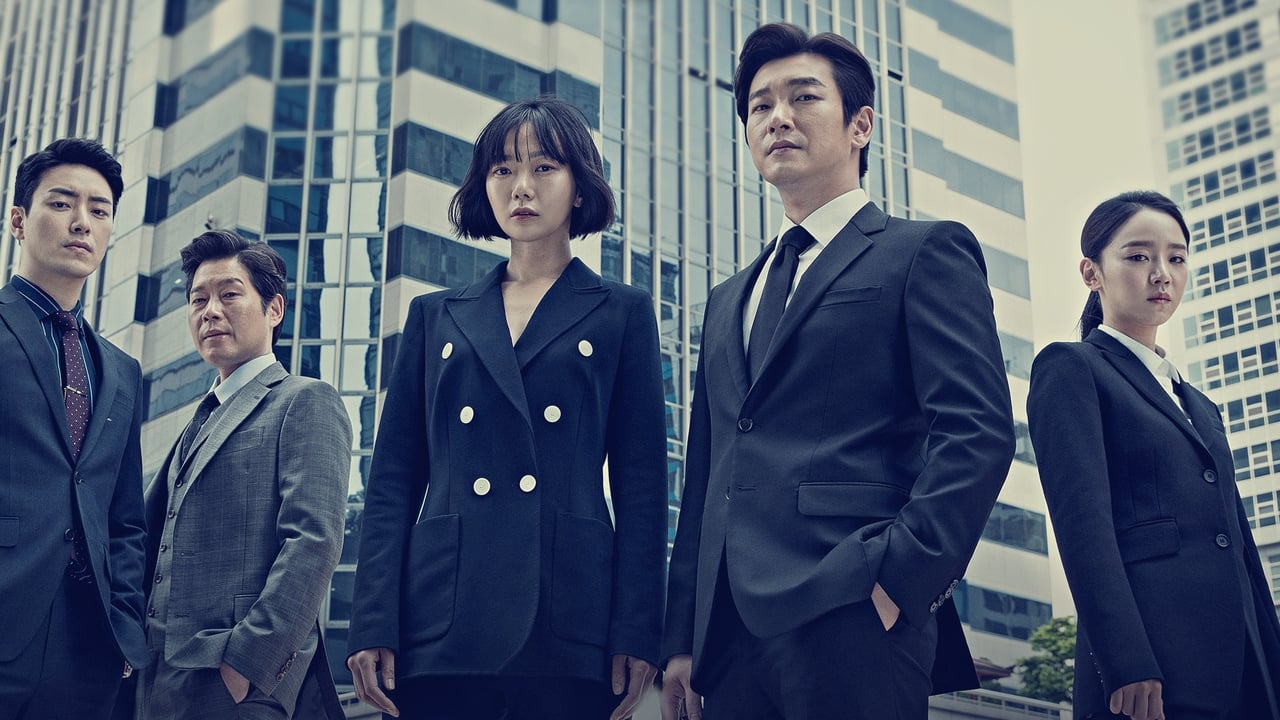
Park Hyun-seok’s direction maintains the atmosphere of Season 1 while expanding the use of space. To convey the collision between the two giant institutions of the prosecution and the police on screen, each organization’s buildings, meeting rooms, and corridors are rendered as distinct, and those spaces visually articulate the structure of power. The way characters in dialogue scenes probe each other with their respective institutions at their backs creates tension. The pacing may feel somewhat slower than Season 1, but that slowness itself functions as a way of expressing the frustration of institutional friction.
Performance & characters — Hwang Si-mok opening up by degrees
Cho Seung-woo’s Hwang Si-mok is emotionally slightly more open in Season 2. Where Season 1’s Si-mok seemed to exclude emotional expression altogether, Season 2 allows tiny glimpses of what he considers important. Bae Doona gives Han Yeo-jin a deeper internal conflict, and the portrayal of someone representing the police perspective within the prosecution-police dispute while maintaining independent judgment is convincing. Jeon Hye-jin’s character Lee Jun-hyeok develops in Season 2 into a figure with an unexpected depth that is worth noting.
What the work says — The individual before a corrupt institution
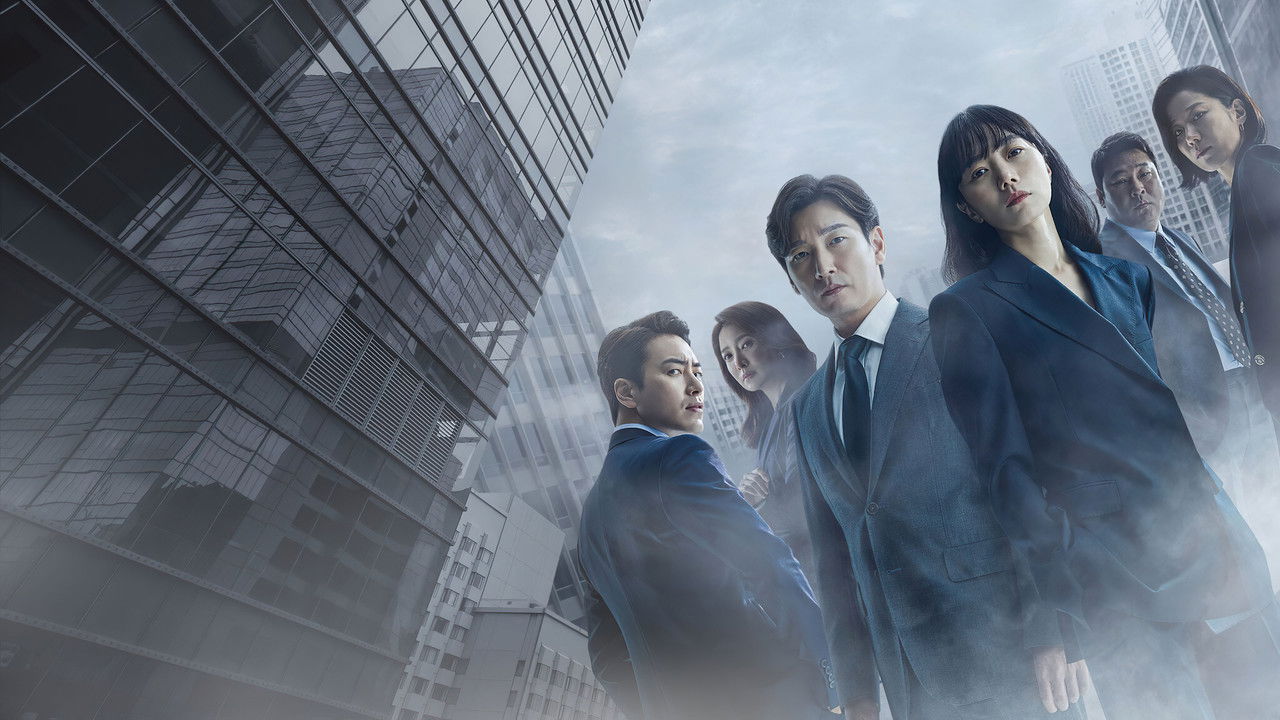
The central question of Stranger Season 2 is: when institutions become corrupt, what can an individual do? Si-mok is inside the institution of the prosecution while refusing to follow the organization’s interests — a stance that in Season 1 looked like proof of ability, but in Season 2 makes the loneliness that stubbornness costs him more visible. Using the prosecution-police conflict as a social backdrop, the series concretely dissects how public power is deployed for private gain. Few Korean dramas have structured institutional critique as rigorously as this one.
Ratings & reception
IMDb gives it 7.2 and TMDB gives it 8.3. Season 2 received high praise domestically, holding a top position for tvN dramas in topic rankings during its broadcast. Cho Seung-woo won the Grand Prize for Acting at the 2020 Baeksang Arts Awards for this work.
What falls short
The increased complexity of the case in Season 2 means that the first several episodes require time to grasp the background. Because the specific institutional issue of prosecution-police authority reform is explored in depth, the central conflict can feel abstract to viewers without prior knowledge of the context. The large number of characters also makes it difficult to keep track of each person’s position and goal along the way. The show is also hard to enter without having seen Season 1.
Verdict
Rating: ★4.0. Few Korean dramas have turned institutional critique into narrative of this quality. Hwang Si-mok is rendered more human while the weight of his obstinacy feels heavier than in Season 1. It isn’t perfect, but it is one of the densest Korean dramas in its genre. Viewed in its social context — with the actual real-world debate over prosecution-police authority at the time of broadcast as a backdrop — it rewards even deeper engagement. There is no argument about placing this series alongside Season 1 as a representative achievement in Korean drama.
Recommended for
- Viewers who have seen Stranger Season 1
- Anyone who wants a serious Korean drama dealing with institutional critique
- Fans of Cho Seung-woo and Bae Doona’s performances
Comments