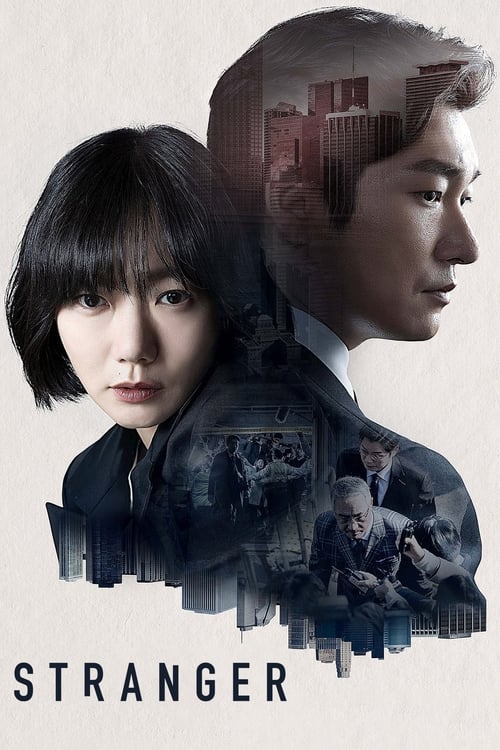
Stranger (2017)
An Emotionless Prosecutor and a Detective Who Exposed the Prosecution's Ugly Truth
by 10days1movie · Published 2026-06-11
| Type | Series |
|---|---|
| Director | Ahn Gil-ho |
| Cast | Cho Seung-woo, Bae Doona, Lee Joon-hyuk, Jeon Hye-jin, Choi Moo-sung |
| Release | 2017 |
| Genre | Crime, Drama, Mystery |
| Runtime | 60min |
The protagonist is a prosecutor without emotions. Hwang Si-mok, who lost the ability to feel following the side effects of brain surgery, is precisely because of that deficiency able to look unflinchingly at the corruption inside the prosecution. Stranger aired on tvN in 2017 as a 16-episode series, and from the moment of its broadcast it was recognized as a work that “changed the standard for Korean crime drama.” It borrows the format of a procedural while its real target is the structure through which the prosecution, police, and business world protect one another. My rating is ★5.0.
What it’s about — An emotionless prosecutor investigates corruption
The starting point is the murder of a prosecution official who had been sponsored by a corporation. Prosecutor Hwang Si-mok (Cho Seung-woo) becomes accidentally involved in the case and joins forces with passionate detective Han Yeo-jin (Bae Doona). As the investigation deepens, the case connects to corruption within the prosecution, collusion with the political world, and the structure that sacrifices individuals to protect the organization. While maintaining the appearance of a mystery thriller tracking down the real culprit, the drama’s true subject is how systems become corrupt and how far an individual can resist within them.
Direction — Tension built from silence and color
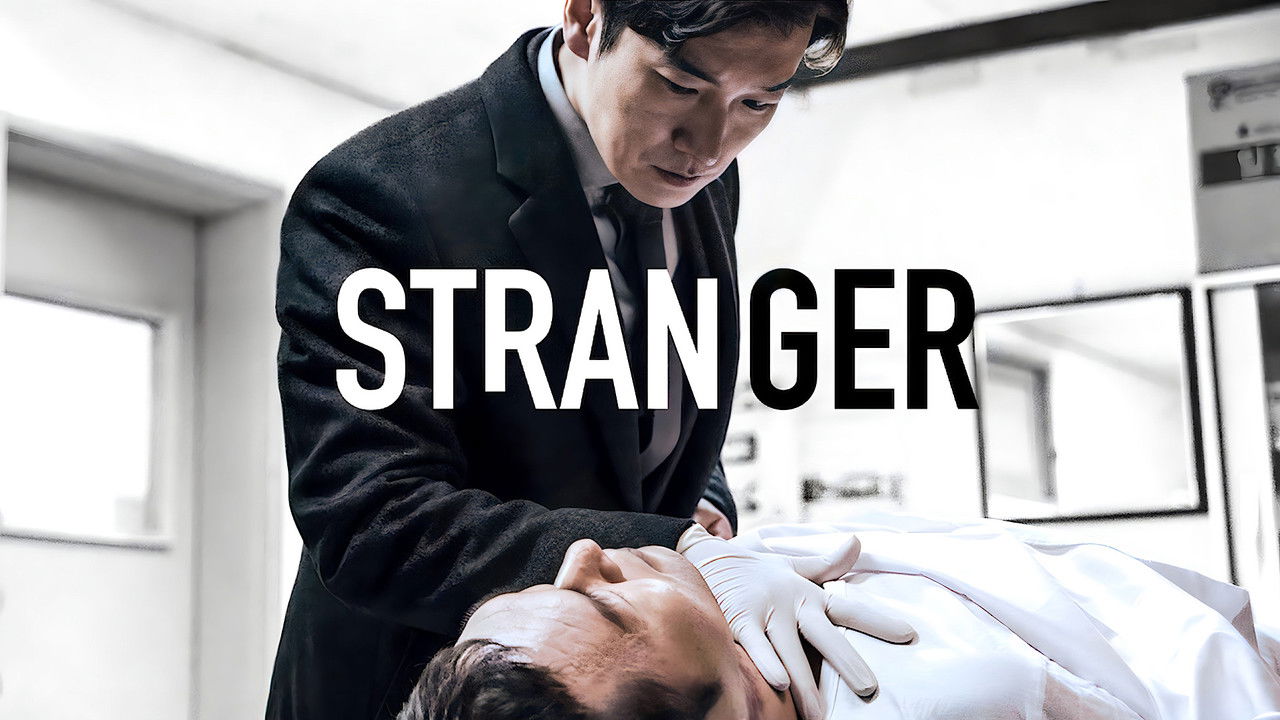
Director Ahn Gil-ho maintains the drama’s tension through restrained direction. Instead of excessive music or dramatic editing, he builds tension through extended dialogue scenes, silences, and the subtle shifts in characters’ expressions. The lighting and color design is also striking: spaces where the powerful reside are bright and clean, while the places where truth hides are dark and narrow — a visual encoding of this world’s structure. The sets recreating the interior of the prosecution building as if real are a major contribution to sustaining the atmosphere of bureaucratic stagnation.
The 16-episode runtime is not short, but the drama attends to both plot development and character change every episode. The structure tightens rather than stretches all the way to the end.
Performance & characters — Hwang Si-mok’s unprecedented restraint
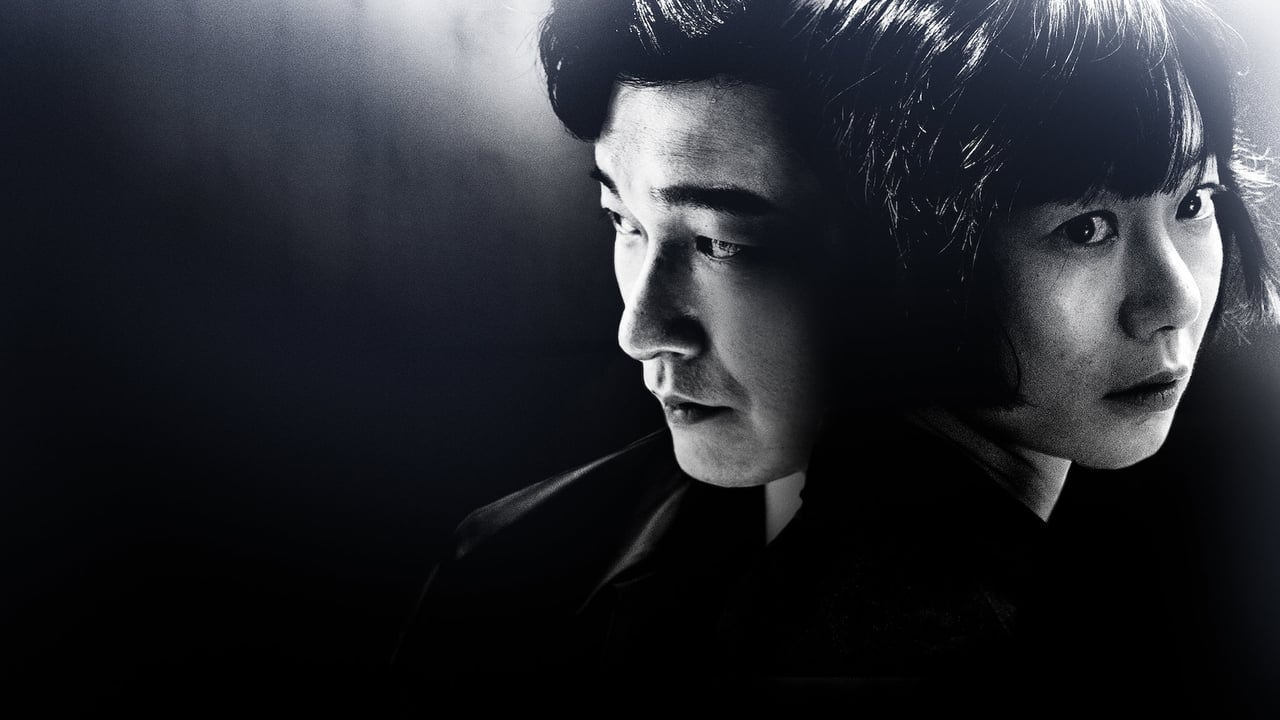
Cho Seung-woo’s Hwang Si-mok is nearly unprecedented as a character in Korean drama. Rather than playing a character with an emotional deficiency like a robot, he expresses the micro-confusion of someone who cannot feel emotions but doesn’t know why. The performance is about restraint — conveying a character’s inner life through a single glance or a tiny shift in vocal tone. Bae Doona’s Han Yeo-jin is the opposite. Passionate, intuitive, and sometimes reckless — she collides with Si-mok’s logic while complementing him. Even without a romance between them, their relationship is the drama’s most important emotional axis.
Lee Joon-hyuk’s Seo Dong-jae is the most complex character in Season 1. His choices, wavering between ambition and principle, continuously destabilize the drama’s moral topography.

What the work says — A system that corrupts without a villain
What makes Stranger special is that the drama does not identify any particular villain. It doesn’t show bad people doing bad things — it shows a system that pushes people into bad choices. The reasons why the prosecution cannot reform itself, why the conflict between the police and the prosecution remains unresolved, how power and capital surround the judiciary — these are shown in ways that are closely grounded in the reality of Korean society. Si-mok’s emotional deficiency is both a shield that prevents him from yielding to this structure and a wound that isolates him from human connection. That duality is what elevates the drama beyond a simple procedural.
Ratings & reception
Stranger holds an 8. It won the Best TV Series award at the Baeksang Arts Awards and other major domestic prizes, and is consistently named by drama enthusiasts as “the most complete investigative drama ever made in Korea.” Season 2 aired in 2020, but the dominant view is that it didn’t surpass the density and completeness of Season 1.
Verdict
Stranger Season 1 never loses its pace from start to finish. The way each revelation of a case’s truth turns out to be part of a larger structure is what continuously pulls the viewer forward. The unusual protagonist setup — emotional deficiency — feels unfamiliar at first, but the moment you realize it connects directly to the drama’s theme, the sophistication of the design becomes apparent. A ★5.0 is the rating I want to give a work that faithfully follows its genre while transcending it.
Recommended for
- Fans of crime procedurals centered on intellectual combat
- Viewers interested in critiques of Korean social power structures and institutions
- Anyone looking for a drama where two characters’ intense relationship is the center, without romance
Comments