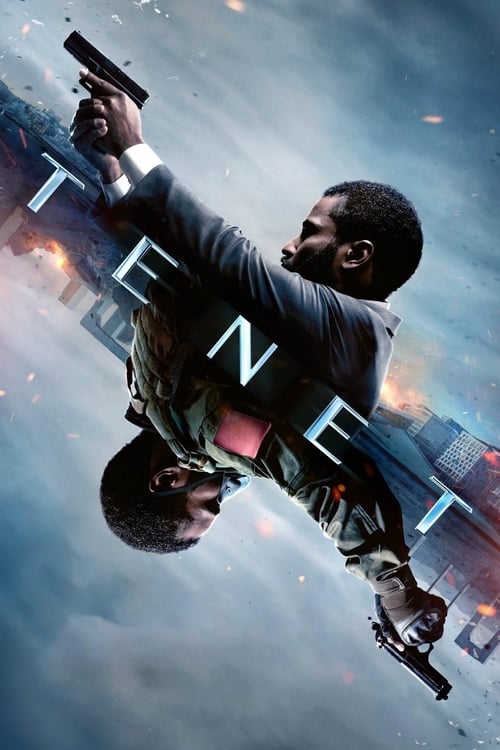
Tenet (2020)
When Christopher Nolan Ran Time Backwards
by 10days1movie · Published 2026-08-23
| Type | Movie |
|---|---|
| Director | Christopher Nolan |
| Cast | John David Washington, Robert Pattinson, Elizabeth Debicki |
| Release | 2020 |
| Genre | Action, Thriller, Sci-Fi |
| Runtime | 150min |
It’s true that a single viewing is not enough to fully understand this film. But whether that difficulty is a fatal weakness or simply a different kind of experience varies from viewer to viewer. Personally, I enjoyed it thoroughly even without understanding everything. Rating: ★4.0. This is the film in Nolan’s body of work most committed to spectacle, and I respect that ambition in itself.
What it’s about — Espionage action that runs against time
A CIA operative known only as “the Protagonist” (John David Washington) encounters the technology of “inversion” — bullets that move backward rather than forward. To stop inverted weapons from the future flowing into the present, he and his partner Neil (Robert Pattinson) fight against a world-ending conspiracy. The story itself moves in an inverted time structure.
Direction — Inverted physics shot for real in reverse
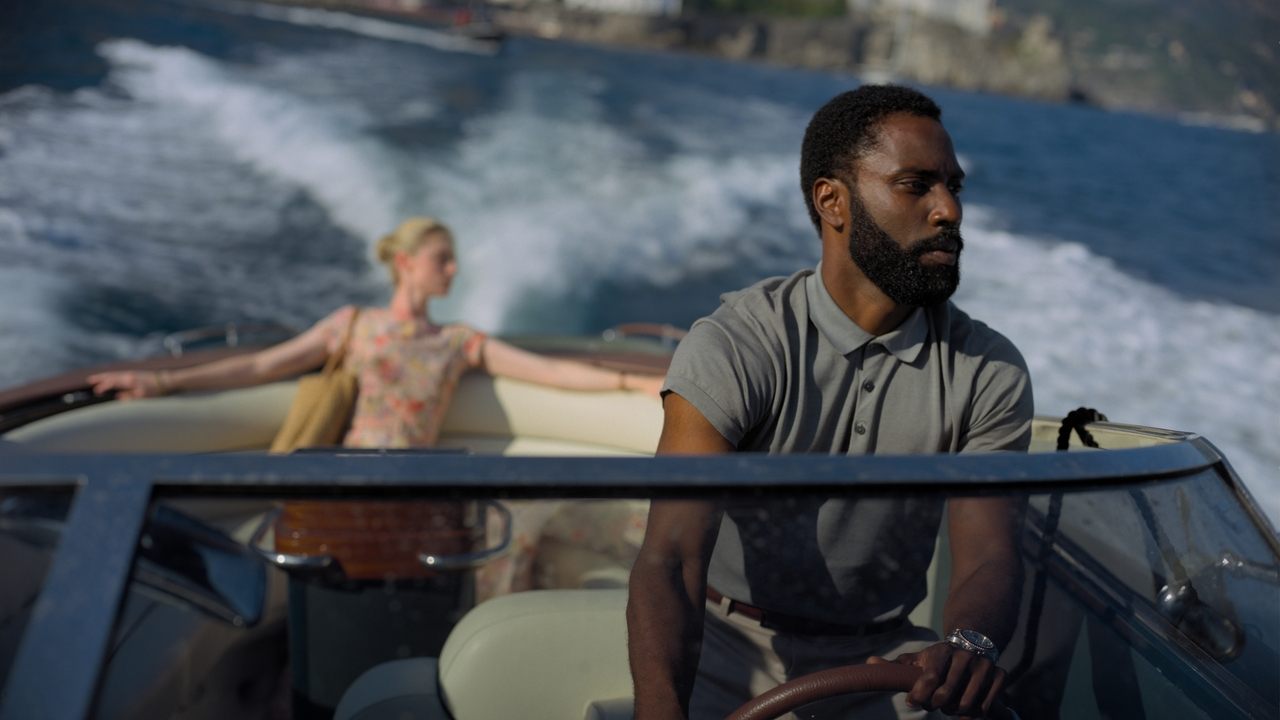
Nolan shot the inverted physics for real. That is, many scenes were physically filmed in reverse and then edited — not CG. The Oslo freeport sequence and the highway chase represent the peak of this method, and when you first see footage where time simultaneously flows both forward and backward, it is genuinely impossible to grasp what is happening. But that very confusion creates an immersion that puts you inside the inverted world. Ludwig Göransson’s music makes an exceptional and singular contribution to this film.
Performance — Neil’s precisely planned identity
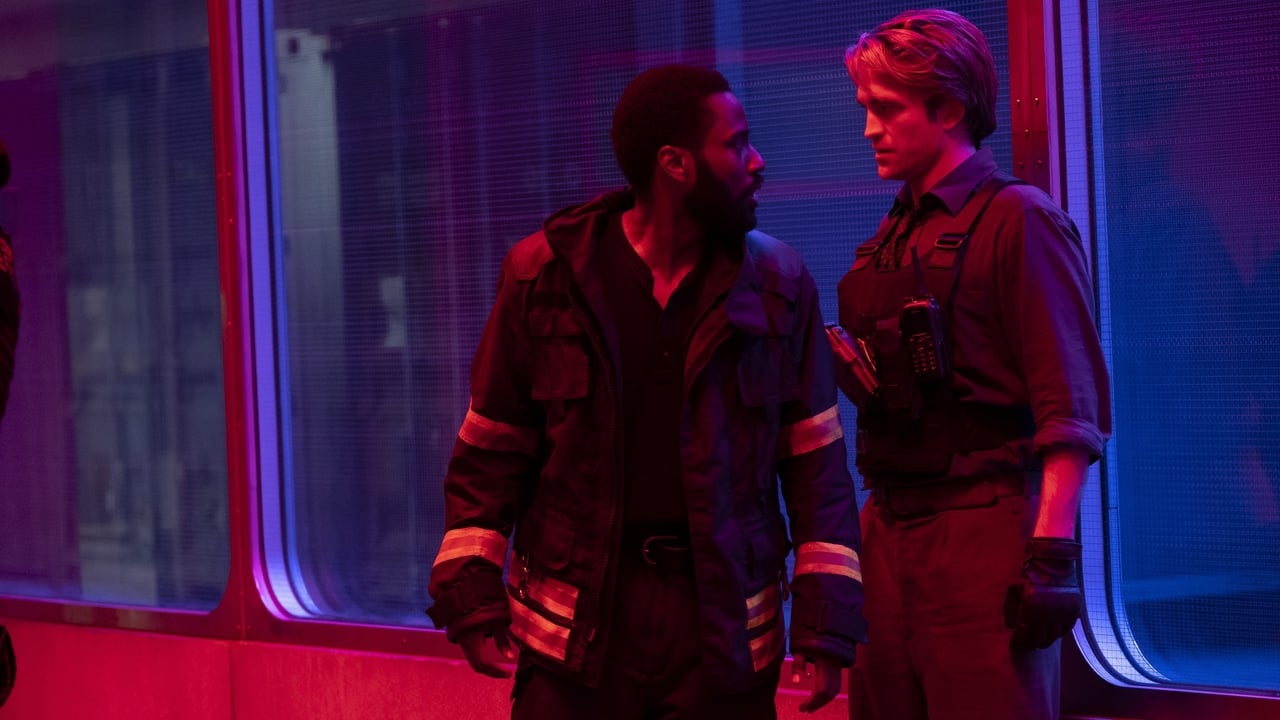
John David Washington plays the nameless Protagonist as cool and self-assured throughout. Robert Pattinson’s Neil is a character who is never clearly explained, but he is the most magnetic figure in the film. In particular, looking back at Neil’s identity after the finale reveals how precisely planned every beat of his performance was. Elizabeth Debicki calmly conveys a character trapped by a controlling husband.
What the film says — A fixed ending and free will
The central question of Tenet is: “If the outcome is already fixed, does action still have meaning?” The choices made by the Protagonist and Neil in a world where causality has been reversed raise questions about free will and fate. There are many unexplained elements, but the process of matching the puzzle pieces on a second or third viewing is itself one of the film’s pleasures.
Ratings & reception
IMDb gives it 7.3. The Rotten Tomatoes score is 70%, lower than Nolan’s previous films. Critics praised the spectacle and ambition while frequently pointing to the lack of emotional depth and narrative clarity. It is one of Nolan’s most divisive films, with audiences split sharply.
What falls short
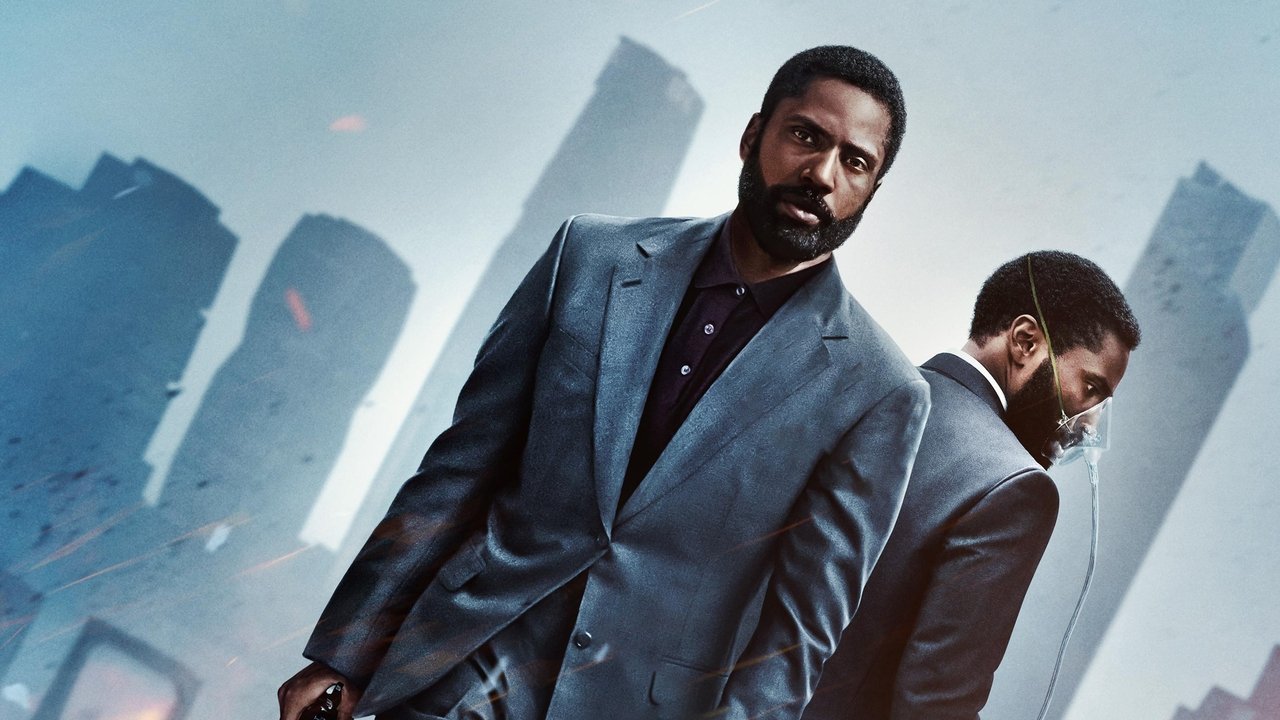
A structure that requires two or more viewings to understand is clearly a barrier. A significant portion of first-time viewers cannot follow what is happening in the climactic sequence. The weak emotional connection is also real — conceptual complexity arrives before the audience has invested sufficiently in the characters. Many viewers complained about certain dialogue being inaudible due to sound mixing. Reports of dialogue audibility were so severe for non-native English speakers at the time of release — and the story that Nolan intentionally mixed the music and sound effects louder than the dialogue became credible — that this was a genuine problem. The villain Sator’s (Kenneth Branagh) motivations are also too simple, and Elizabeth Debicki’s character Kat is more often used as a plot device. This is a film that must be accepted from the start as one where concept outpaces character.
Verdict
Approaching this film with the goal of complete understanding is painful. Approaching it as a sensory experience of the world’s most ambitious spectacle is enjoyable. Going in willing to watch more than once makes it richer still. After watching this film, looking back at who Neil is reveals just how much he knew from the very beginning. Knowing that and rewatching gives every one of Neil’s actions and lines a different meaning. That is how Tenet generates value on repeat viewings. From the perspective of experience over understanding, the IMAX-scale inverted car chase and the climactic battle remain remarkable. It may be Nolan’s most controversial film, but it is hard to deny that it is his most visually ambitious.
Recommended for
- Christopher Nolan fans who enjoy his complex plots
- Viewers who want an original Sci-Fi action film with an inventive inverted time concept
- Anyone who wants to be overwhelmed by maximum sound and image in a theatre
Comments