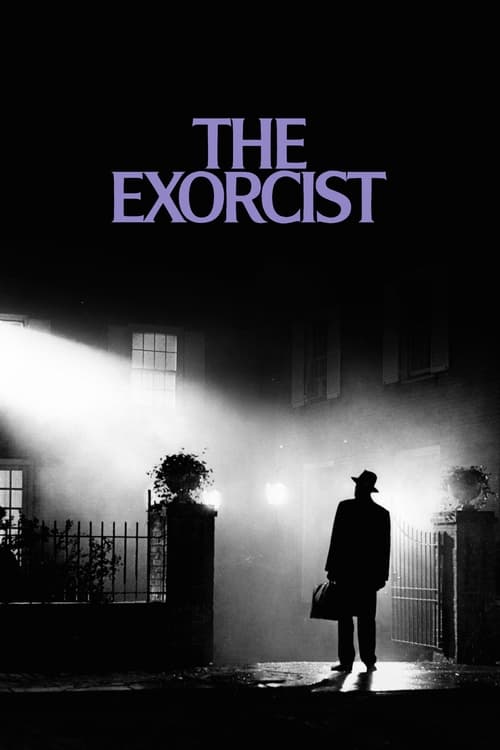
The Exorcist (1973)
Why It Still Frightens After 50 Years
by 10days1movie · Published 2026-06-23
| Type | Movie |
|---|---|
| Director | William Friedkin |
| Cast | Ellen Burstyn, Linda Blair, Jason Miller, Max von Sydow |
| Release | 1973 |
| Genre | Horror, Drama |
| Runtime | 122min |
If a film made in 1973 is still frightening to watch today, it depends on something other than technology. The Exorcist does not fade even if you accept the aging of its special effects. The real reason this film is frightening is not the appearance of a demon — it is the helplessness of a mother watching what happens to her daughter and being unable to do anything. My rating is ★4.5. This is the work that set the standard for horror cinema.
What it’s about — A daughter’s inexplicable possession
In Washington DC, actress Chris MacNeil (Ellen Burstyn) begins to notice strange behavior in her daughter Regan (Linda Blair). When no medical cause can be found, Chris turns to Father Karras (Jason Miller), a priest and psychiatrist, for help. Based on the novel of the same name by William Peter Blatty, its release reportedly prompted audience members to faint or vomit in theaters — a level of shock that was unprecedented at the time.
Direction — Horror grown from slow accumulation
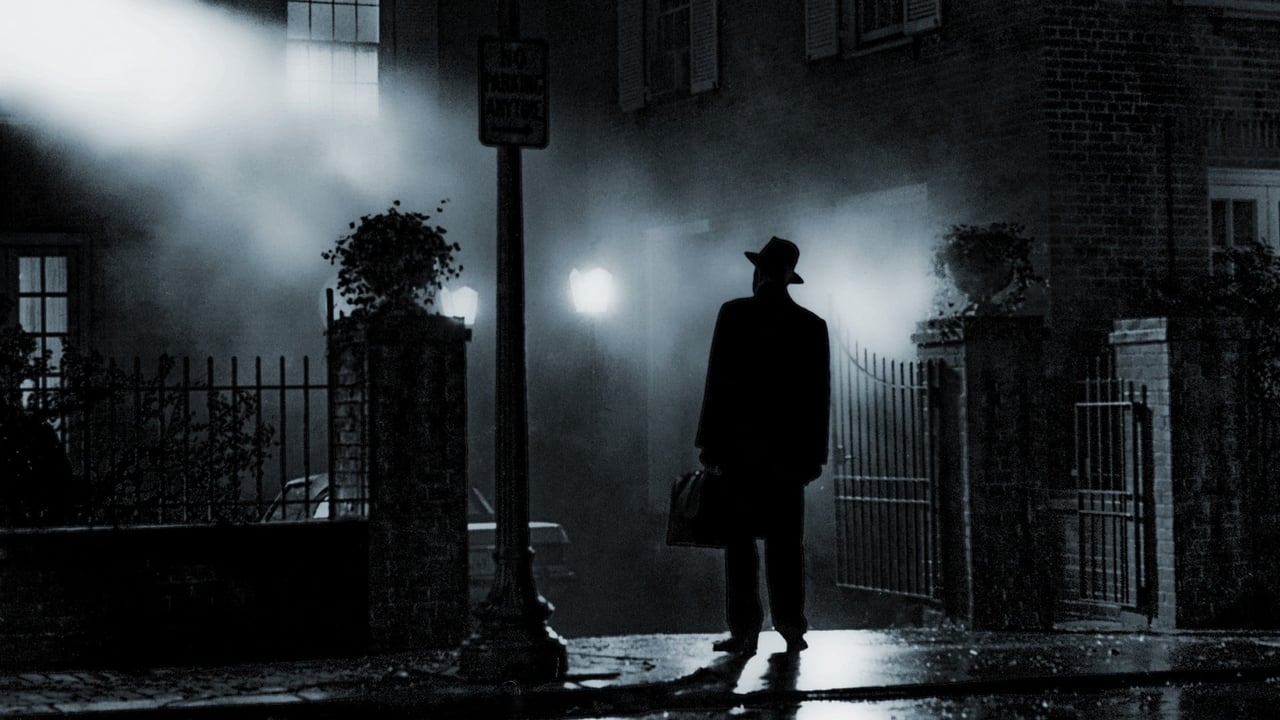
William Friedkin does not trigger fear suddenly. The first act is closer to drama. The sequence opening in Iraq, Chris’s daily life, and Regan’s first symptoms of strangeness accumulate slowly. That slow build amplifies the shock of the latter half. Friedkin precisely calibrates restraint and excess in the visual expression of the supernatural. This film knows that not showing too much is more frightening.
The cold inside Regan’s room, the low lighting, the demon-face image cut in with rapid editing, and the sonic environment created by Mike Oldfield’s “Tubular Bells” all constitute the atmosphere of dread. Fifty years later, that anxiety rises when this music begins.
Performance — A mother’s helplessness watching her daughter collapse
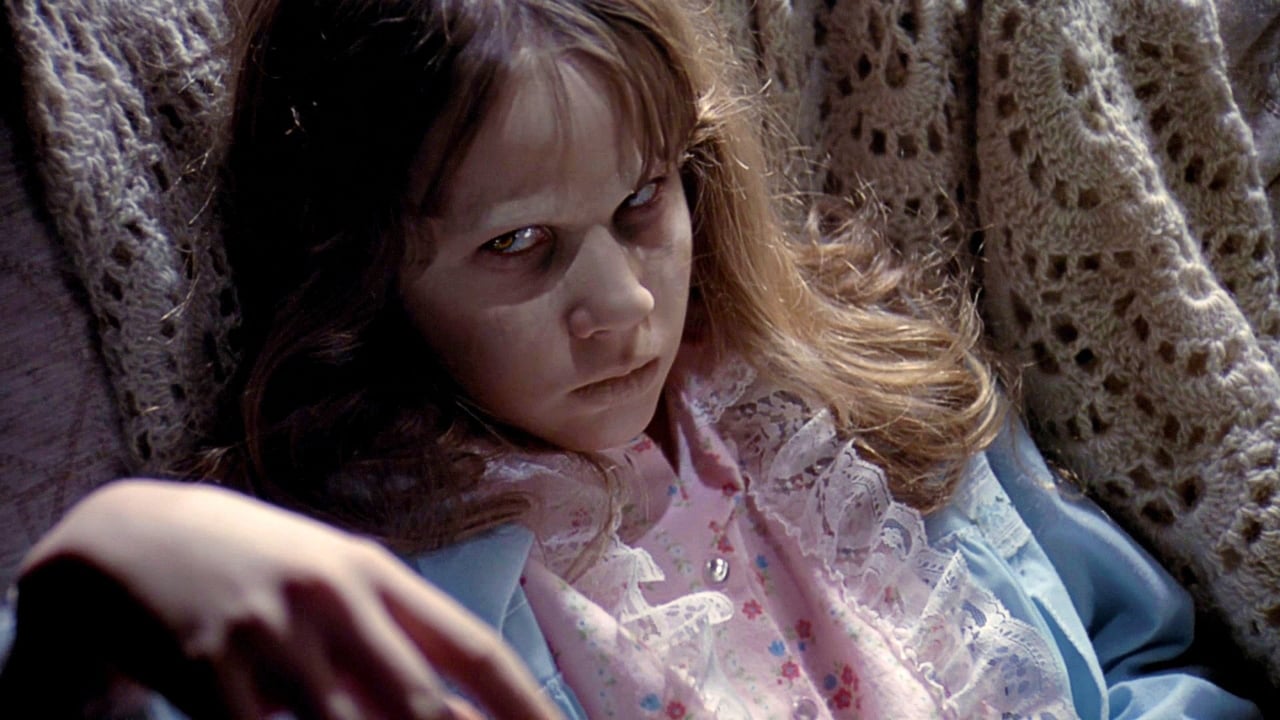
Linda Blair was 14 years old at the time of filming. Mercedes McCambridge’s voice was brought in to voice the possessed Regan, but Blair’s physical performance is itself sufficiently disturbing and frightening. Ellen Burstyn is the film’s emotional center. The helplessness of a mother watching her daughter deteriorate is the film’s real horror, and Burstyn renders it in full. Jason Miller’s Father Karras is a character in conflict between faith and doubt, adding the weight of a religious drama to this film.
What the film says — A question for an age without faith
This is not a simple ghost story. Father Karras’s story — of losing his faith — runs in parallel with Regan’s possession. Where does belief stand in the face of what science cannot explain? What happens when a man who denies God’s existence must confront a demon? These questions extend across the entire film. Horror films that carry this kind of theological weight within the genre are rare. Ultimately this film is also about an age without faith. Father Karras’s choice at the end is his own response to that question.
Ratings & reception
IMDb gives it 8.1 — exceptionally high for a film more than 50 years old. The Rotten Tomatoes score is 78%. It won the Academy Awards for Best Adapted Screenplay and Best Sound Mixing, and made history as a horror film by receiving a Best Picture nomination. The position this film holds in the history of horror cinema is absolute and beyond serious dispute.
What falls short
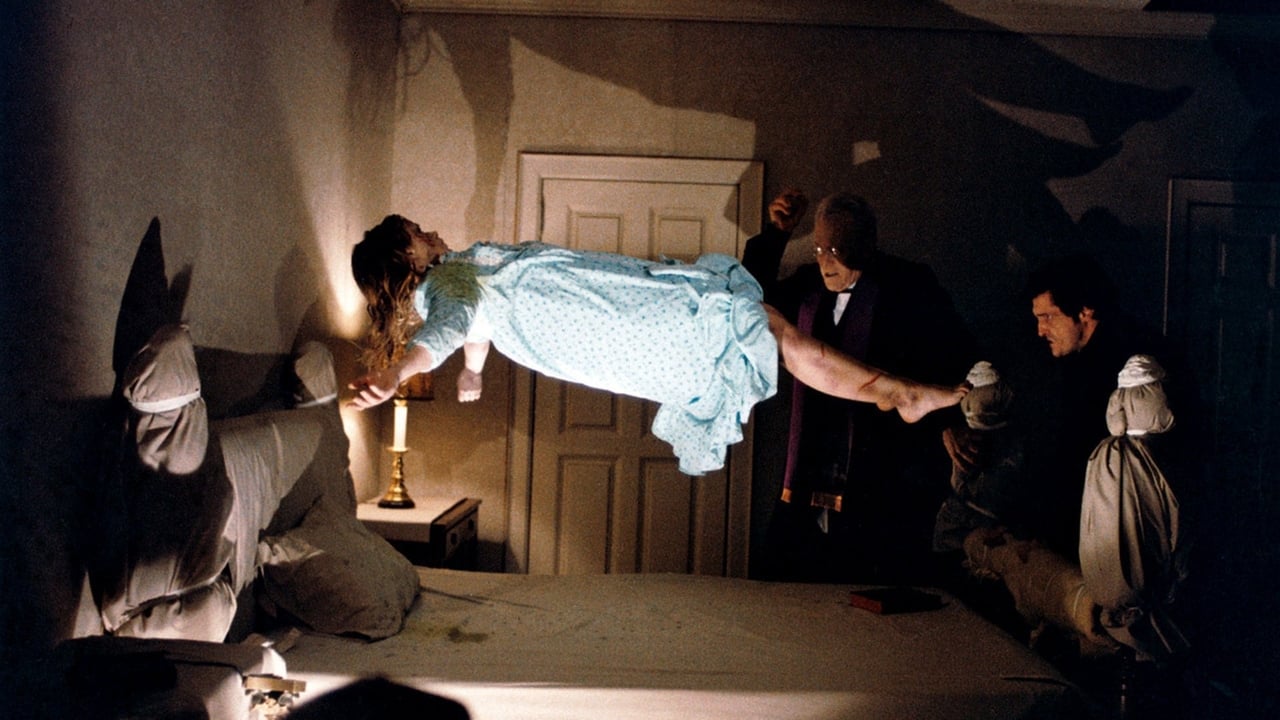
Modern audiences may notice the limitations of some special effects. The film’s slow pace and the substantial weight given to the first half may feel drawn out to viewers expecting intense horror. The co-mingling of medical depictions and theological assumptions can also feel unfamiliar to non-religious viewers.
Verdict
The Exorcist shows that horror cinema can carry more than thrills and shock. A mother’s helplessness, a crisis of faith, and the fear of the human being in the face of the inexplicable are the film’s true materials. It is a horror film that makes you think after you have seen it, beyond simply frightening you. ★4.5.
Recommended for
- Anyone interested in the historical masterpieces of horror cinema
- Viewers who prefer psychological horror to slasher horror
- Those with an interest in the themes of faith and doubt
Comments