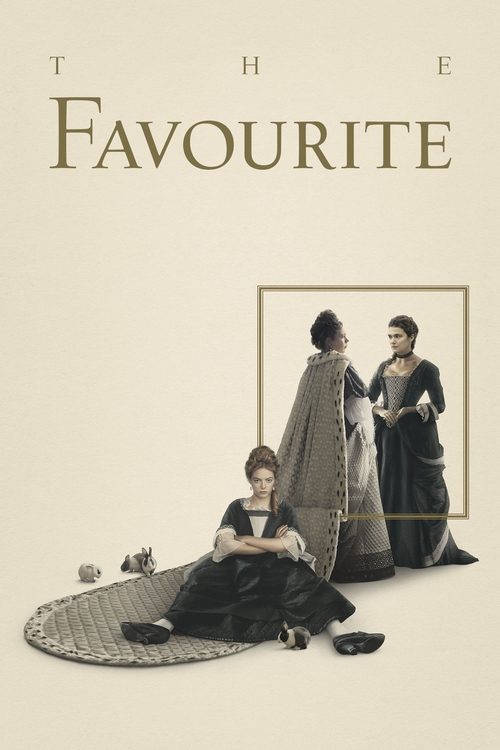
The Favourite (2018)
A Lethal Game Playing Out in the Queen's Bedchamber
by 10days1movie · Published 2026-08-12
| Type | Movie |
|---|---|
| Director | Yorgos Lanthimos |
| Cast | Olivia Colman, Emma Stone, Rachel Weisz, Nicholas Hoult, Joe Alwyn |
| Release | 2018 |
| Genre | History, Comedy, Drama |
| Runtime | 119min |
Set in the court of 18th-century Queen Anne, this is a power struggle between two women for the queen’s favor. Yorgos Lanthimos’s The Favourite is a period piece, but it dissects the mechanics of power with a contemporary sensibility, and the performance contest between the three lead actresses dominates the screen. My rating is ★4.0.
What it’s about — A love triangle over the queen’s favor
Early 1700s, England. The frail and capricious Queen Anne (Olivia Colman) depends on her close confidante and de facto power broker Sarah (Rachel Weisz). Queen Anne and Sarah Churchill are real historical figures — Sarah’s political influence during Queen Anne’s reign is documented in the historical record. Into that arrangement comes the newly arrived servant Abigail (Emma Stone), who reads the opportunity and deftly inserts herself. The triangular relationship between these three women — where sincerity and scheming are intermingled — is the whole of the film. The basis is real historical figures, but Lanthimos focuses on psychological drama rather than historical accuracy.
Direction — Deliberate discomfort as an aesthetic
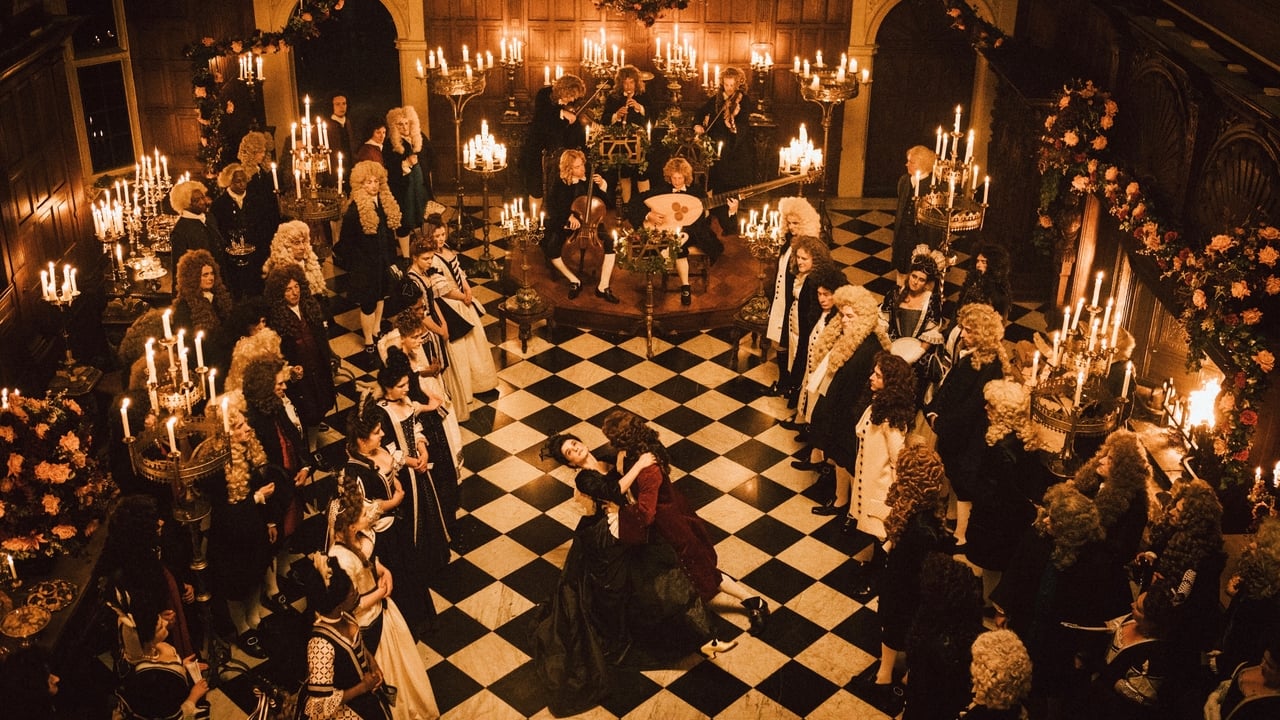
Lanthimos makes active use of distorting fisheye lenses and low angles to visualize the warped power relations within the court. Lavish sets and costumes fill the screen, but the camera always views reality from a slightly off-kilter angle. The music also defies expectation. Rather than majestic classical music placed where you’d expect it, it arrives in unexpected places, intensifying the discomfort. This musical choice is deliberately designed to prevent the audience from receiving the film comfortably. Deliberate discomfort is this film’s aesthetic — and that discomfort is the most precise possible conveyance of this power game’s nature.
Performance — The queen’s desire that Colman revealed
Olivia Colman won the Academy Award for Best Actress for this film. Her performance of a queen losing control while physically unwell is simultaneously pathetic and desperate. Queen Anne is the most complex character in the film, and Colman subtly reveals that while she appears to be the weak one, the situation — two women competing for her favor — ultimately reflects the queen’s own desire. Rachel Weisz’s Sarah is cold, efficient, and fully cognizant of the nature of the power she holds. Emma Stone’s Abigail is impressive in the way she puts on and removes masks throughout the film.
What the film says — When sincerity and the lust for power intermingle
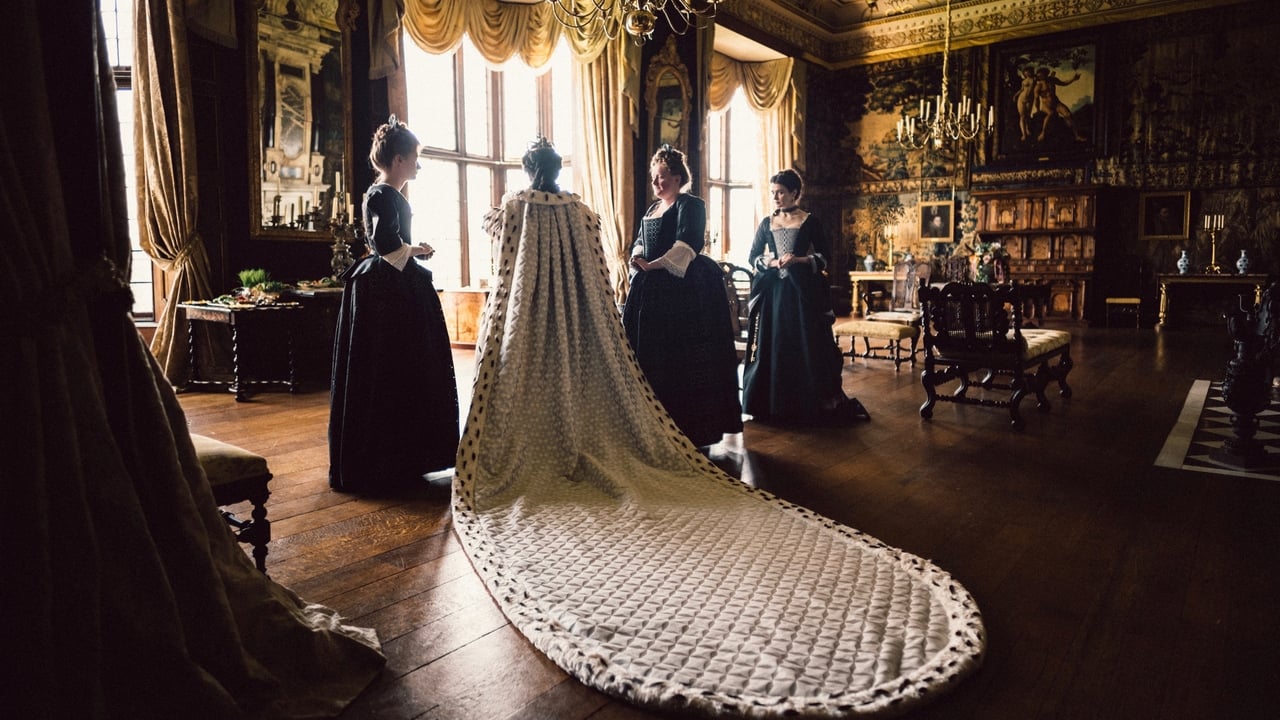
The central question of this film is how sincerity and the desire for power become intermingled. Sarah genuinely cares for the queen while also deploying that care to maintain her power. Abigail begins with strategy but emotion starts to creep in. The queen simply wants to be genuinely loved but is uncertain whether that is even possible. None of the three characters is entirely a villain or entirely a victim.
Ratings & reception
TMDB gives it 7.5. IMDb gives it 7.5. The Rotten Tomatoes score is 93%. At the Academy Awards it was nominated in 10 categories — including Best Actress (Colman) — and won 1. Notably, all three lead actresses received Academy Award nominations.
What falls short
For audiences not accustomed to Lanthimos’s style, the film can feel uncomfortable. The deliberately unsettling musical choices, disorienting camera angles, and dialogue that mixes modern vocabulary and sensibilities with period setting may be perceived as breaking immersion by some. The lack of a clear resolution at the ending also divides viewers.
Verdict
The Favourite is a work that reveals the properties of power with a cold and incisive gaze beneath its lavish exterior. Watching this film makes you freshly notice how closely the workings of an 18th-century court resemble the workings of contemporary political power. The competition to receive favor, the dependence on and manipulation of a weak power holder, and the emptiness when all of it collapses — these are compressed into the film’s final scene. The performances of the three lead actresses alone are sufficient reason to watch, and if you have an interest in Lanthimos’s distinctive directorial aesthetic, there is even more to enjoy.
Recommended for
- Viewers who want a period film that avoids cliché
- Those curious about the performance showdown between the three lead actresses
- Fans of Yorgos Lanthimos’s other work
Comments