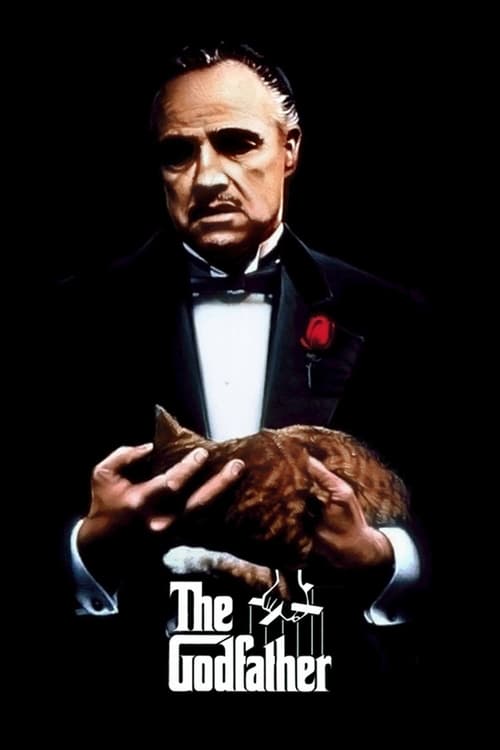
The Godfather (1972)
The Most Complete Thing Cinema Has Ever Made
by 10days1movie · Published 2026-06-06
| Type | Movie |
|---|---|
| Director | Francis Ford Coppola |
| Cast | Marlon Brando, Al Pacino, James Caan |
| Release | 1972 |
| Genre | Crime, Drama |
| Runtime | 175min |
What does a perfect film look like? The Godfather is one of the most convincing answers that question has ever received. My rating is ★5.0. Francis Ford Coppola’s 1972 crime drama, adapted from Mario Puzo’s novel, is still regarded half a century later as cinema at its fullest reach — not through spectacular violence or sensation, but through the weight of character, family, and power.
What it’s about — Michael drawn into the family
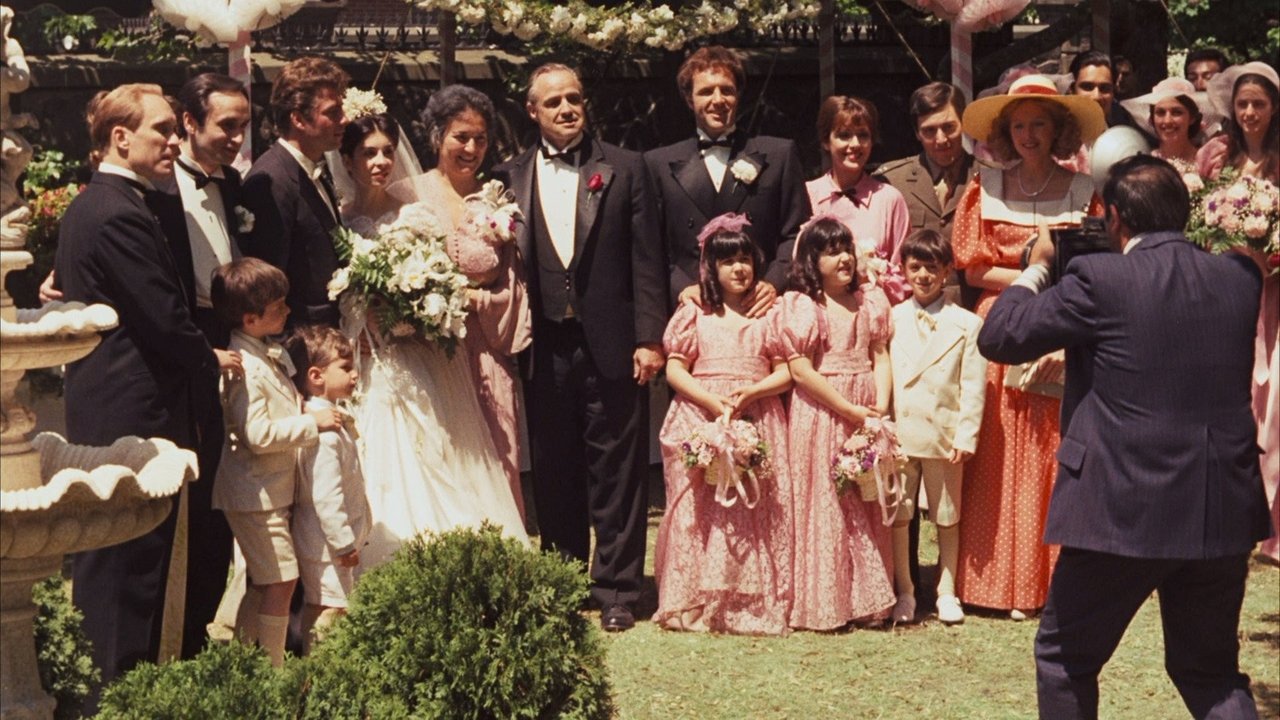
Vito Corleone (Marlon Brando) runs the most powerful Mafia family in New York. On his daughter’s wedding day, he grants favors to petitioners who come to him one by one — a portrait of quiet authority that doubles as a full introduction to this world’s rules. When a dispute with a rival family ends with Vito shot and fighting for his life, the dynasty begins to crack. His youngest son Michael (Al Pacino) comes home from military service wanting nothing to do with the family business, but as the crisis deepens, he is drawn in — step by careful step — until there is no way back.
Direction — A family epic shaped from shadow
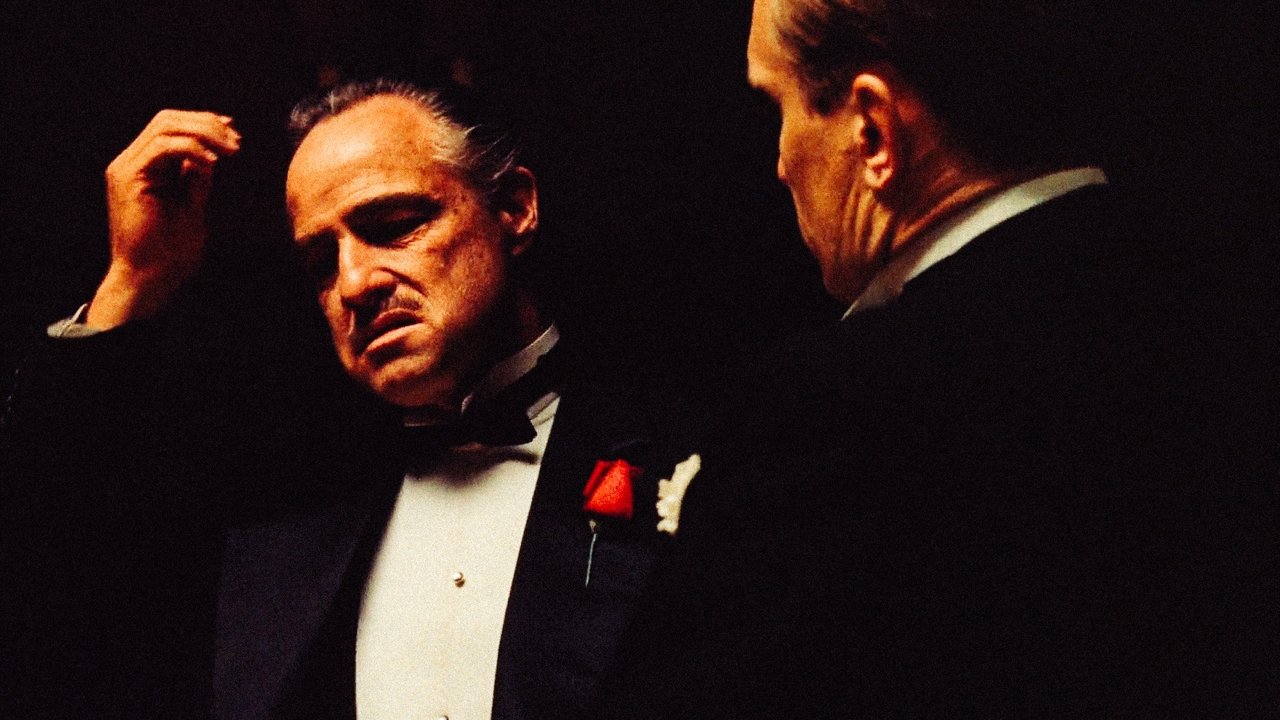
What makes Coppola’s direction exceptional is restraint. Cinematographer Gordon Willis fills half the frame with deliberate shadow — a choice that feels almost reckless on paper but gives every scene a gravity that brighter films can’t match. The warm outdoor light of the wedding sequence and the near-total darkness of Vito’s study establish from the first minutes that this family exists somewhere between the visible world and something else entirely. Nino Rota’s score wraps the whole thing in a melancholy that never fully resolves.
Violence in this film is rare, and for that reason devastating when it arrives. Words precede action, and silence carries more menace than any threat spoken aloud. Coppola plays by the rules of the gangster genre just long enough to smuggle in what is really a family epic. The intercutting of Michael’s christening with the systematic elimination of rival bosses — one of the most studied sequences in film editing — arrives as a kind of cold proof of what Michael has become.
Performance — The two summits of Brando and Pacino
Marlon Brando’s Vito Corleone is among the most famous performances in cinema history, and the hoarse voice and deliberate movements are only the surface of it. What Brando does beneath that is harder to name: he holds the contradiction of a loving father and a calculating crime lord without ever resolving it or explaining it. He simply lives it. The Academy Award for Best Actor was never in question.
Al Pacino’s Michael represents a different kind of achievement. He enters the film in uniform, holding his girlfriend’s hand at a party, clearly separate from this world. By the time the film ends, he has become something else entirely — and the transformation is persuasive precisely because Pacino builds it slowly, without raising his voice or announcing the change. He lets Michael’s internalization of his father’s world happen in the eyes and the silences. The two performances anchor opposite ends of the story and together they make the film feel complete.
Ratings & reception
The Godfather holds a 9.2/10 on IMDb — one of the highest ratings in the site’s history, sustained across decades of voting. Rotten Tomatoes gives it 97% from 153 reviews. At the 1973 Academy Awards it took Best Picture, Best Director, and Best Actor. The American Film Institute ranked it second on its list of the greatest American films ever made, and it is preserved in the United States National Film Registry by the Library of Congress. What critics have returned to most consistently is the film’s double portrait: a gangster saga on its surface, and a dissection of the American Dream underneath — the observation that the Corleone family’s methods for acquiring and holding power are structurally indistinguishable from those of legitimate business.
Verdict
The Godfather is one of those rare films that changes what came before it in your memory. You sit down to watch a Mafia story and walk away having witnessed something about how power corrupts people, how family loyalty is used to justify anything, and how a single generation can go from immigrant ambition to something no one involved would fully recognize. At 175 minutes it never feels long. If anything it ends too soon. That is what ★5.0 means.
Recommended for
- Anyone working through the canonical films of cinema history
- Viewers drawn to serious drama about power, family, and moral collapse
- Anyone who wants to see Marlon Brando and Al Pacino at the peak of their craft in the same film
Comments