
The Handmaid's Tale Season 1 (2017)
The Moment Red-Robed Silence Turns to Eruption
by 10days1movie · Published 2026-10-26
| Type | Series |
|---|---|
| Director | Reed Morano |
| Cast | Elisabeth Moss, Joseph Fiennes, Yvonne Strahovski, Ann Dowd, Alexis Bledel |
| Release | 2017 |
| Genre | Drama, Sci-Fi, Thriller |
| Runtime | 52min |
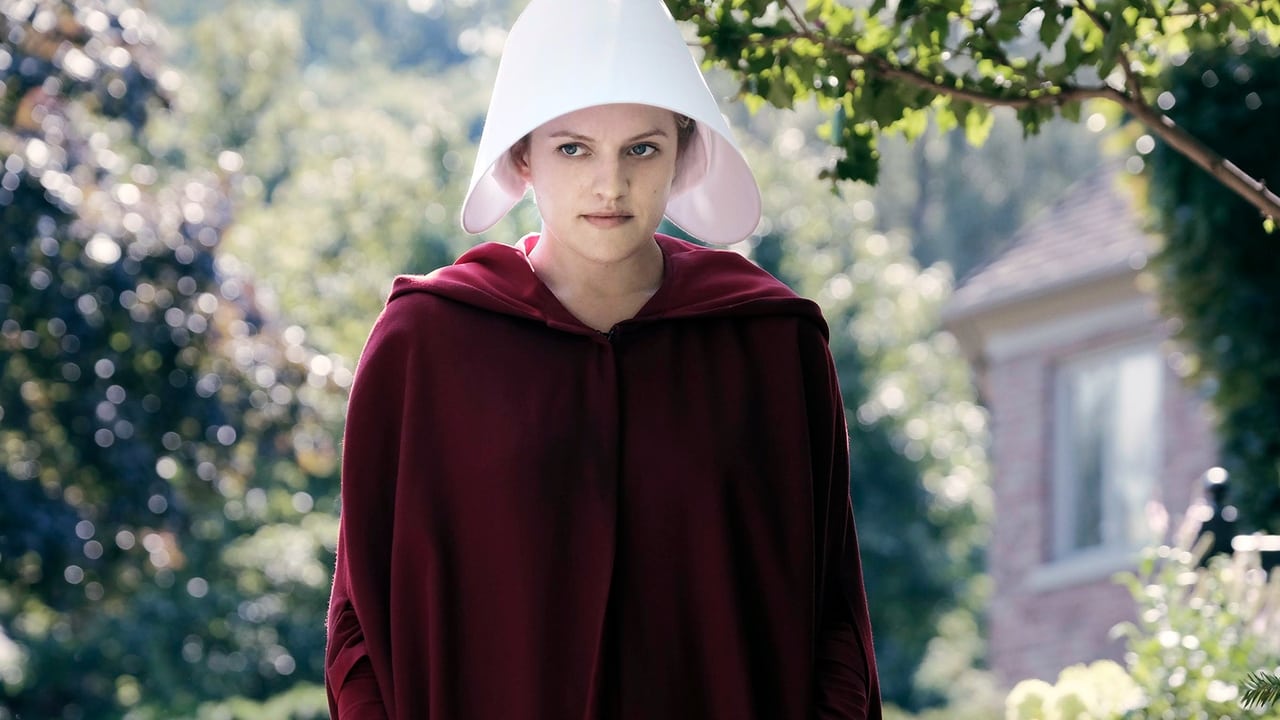
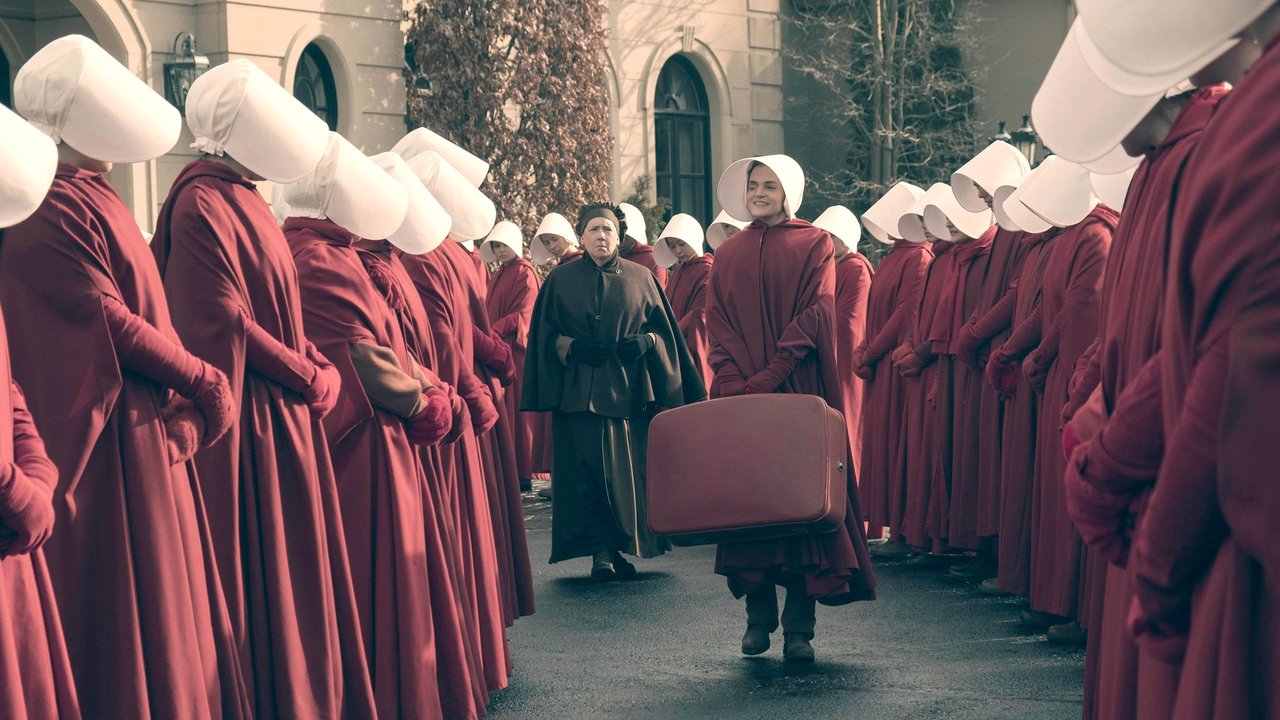
That single shot of women in red cloaks and white wings walking in a line has become a symbol in its own right. The Handmaid’s Tale Season 1 lays out, allowing not a moment of escape, exactly how that image came to be. In a near future where birth rates have collapsed, a religious fundamentalist movement overthrows the United States and erects a theocracy called Gilead, after which women who can still bear children are distributed like private property and forced to give birth in the homes of the powerful. Following the gaze of June, who fights to survive after her daughter is taken, the first season slowly engraves the truth that the collapse of a society needed no grand explosion. Because it shows one peak the dystopian genre can reach, I gave this season ★4.5.
What it’s about — A Gilead Built From Small Acts of Acquiescence
The series is adapted from Margaret Atwood’s 1985 novel of the same name. It preserves the parable-like skeleton of the source while borrowing the power of the screen to make its terror far more visceral. The story proceeds by crossing between June’s present and the past just before the system’s collapse. It shows how an ordinary life was step by step converted into a procedure of stripping away rights — bank accounts frozen, jobs lost, people dragged off the street. Because of this, Gilead feels not like a distant fantasy but like a result arrived at through the accumulation of small acts of acquiescence.
Direction — A Frame Tightened by Red Robes and Silence
The direction of Season 1 is among the series’ greatest achievements. Reed Morano, who helmed the first three episodes, builds meaning from the image itself, as befits her background as a cinematographer. Close-ups that fill the frame with a character’s face, a suffocatingly shallow depth of field, and the fierce colour contrast where red robes collide with green walls together create the airless texture of Gilead. The camera lingers long on June’s face, drawing up the fury and fear she cannot speak aloud, alongside her narration.
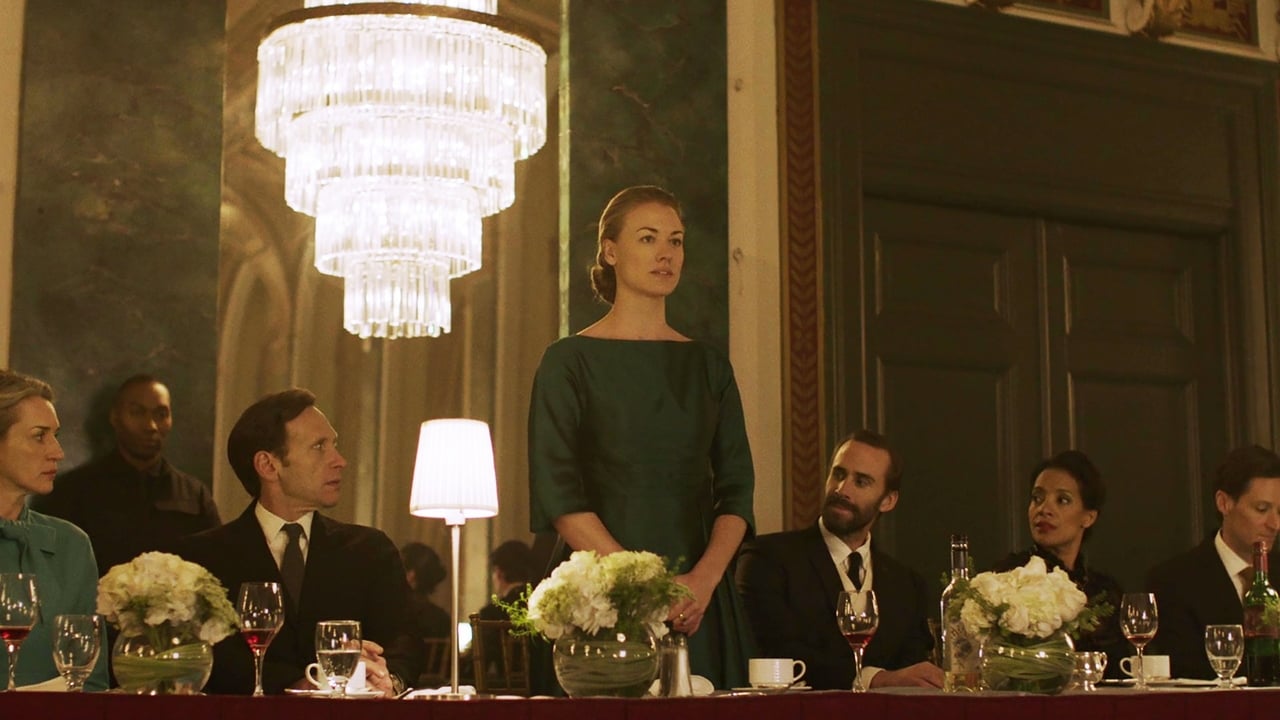
What is especially striking is the handling of silence. The handmaids must hoard their words under surveillance, and that suppressed stillness pulls the frame taut. The hypocrisy of the dinner table and the scenes of ritualised violence are filmed plainly, without exaggeration, which makes them all the more chilling. Rather than scream, the direction leaves space for the viewer to feel the discomfort for themselves.
Acting and characters — Elisabeth Moss Carving Resistance Into a Single Look
Elisabeth Moss’s performance is the pillar holding up this season. She conveys more through expression and inner monologue than through dialogue. The duality of June — feigning obedience while refusing, deep down, to surrender to the end — is rendered persuasively through the slightest changes in her gaze. Fury, resignation and a spark of resistance that never quite goes out cross continually within a single face.
The supporting weight is formidable, too. Yvonne Strahovski shapes Serena Joy, the Commander’s wife, not as a simple villain but as a contradictory figure trapped within the very system she helped design. Joseph Fiennes’s Commander calmly embodies the hypocrisy of power, and Ann Dowd’s Aunt Lydia carries a terror that fuses conviction with cruelty in a gentle voice. Each character comes alive in three dimensions, blurring the line between perpetrator and victim.
What the series says — Control That Redefines Women’s Bodies as a Resource
Season 1 stares head-on at how control operates through women’s bodies. The instant childbirth, a biological function, is redefined as a national resource, a person’s selfhood is reduced to a tool. The series refuses to consume this process sensationally, stacking up its injustice piece by piece until the viewer rages along with it. At the same time it does not miss the psychology of those who collaborate with the system. The perpetrators too live in fear, and the victims too sometimes trample others to survive. When you look that grey zone in the eye, the dystopia finally becomes a mirror of our own reality.
Ratings & reception
The Handmaid’s Tale holds an IMDb rating of 8. This figure, spanning the series as a whole, is an index of viewers’ steady support. Season 1 in particular, as the debut season that firmly established the work’s tone and world, is often said to be the most complete even compared with the seasons that followed.
Verdict
The Handmaid’s Tale Season 1 is by no means an easy watch. Every episode is heavy, and the light of hope shines only grudgingly. Yet that very unsparingness is what creates the series’ ethical sincerity. Outstanding direction meshes with Elisabeth Moss’s overwhelming performance to show one peak the dystopian genre can reach. The reason I gave it ★4.5 is that this season achieved the rare balance of refusing to look away from discomfort while never, in the end, letting go of human dignity.
Recommended for
- Those looking for a weighty dystopia that makes you chew over social structures rather than chase simple shock
- Those who love performance-driven drama carried by an actor’s expression and silence
- Those who have read Margaret Atwood’s source novel, or want to face that world on screen
Comments