
The Hunter (2011)
A Man's Solitude in Tasmania, Hunting the Thylacine
by 10days1movie · Published 2026-09-01
| Type | Movie |
|---|---|
| Director | Daniel Nettheim |
| Cast | Willem Dafoe, Sam Neill, Frances O'Connor |
| Release | 2011 |
| Genre | Drama, Thriller, Adventure |
| Runtime | 102min |
The Tasmanian tiger — believed to be extinct. A biotech company hires mercenary hunter Martin (Willem Dafoe) to obtain DNA from the last living specimen and erase any trace of its existence. Martin enters the Tasmanian wilderness, stays with a local family, and combs the forest. My rating is ★4.0. A slow but beautiful, cold-natured film about solitude in the wild.
What it’s about — A mercenary hunting a near-extinct tiger
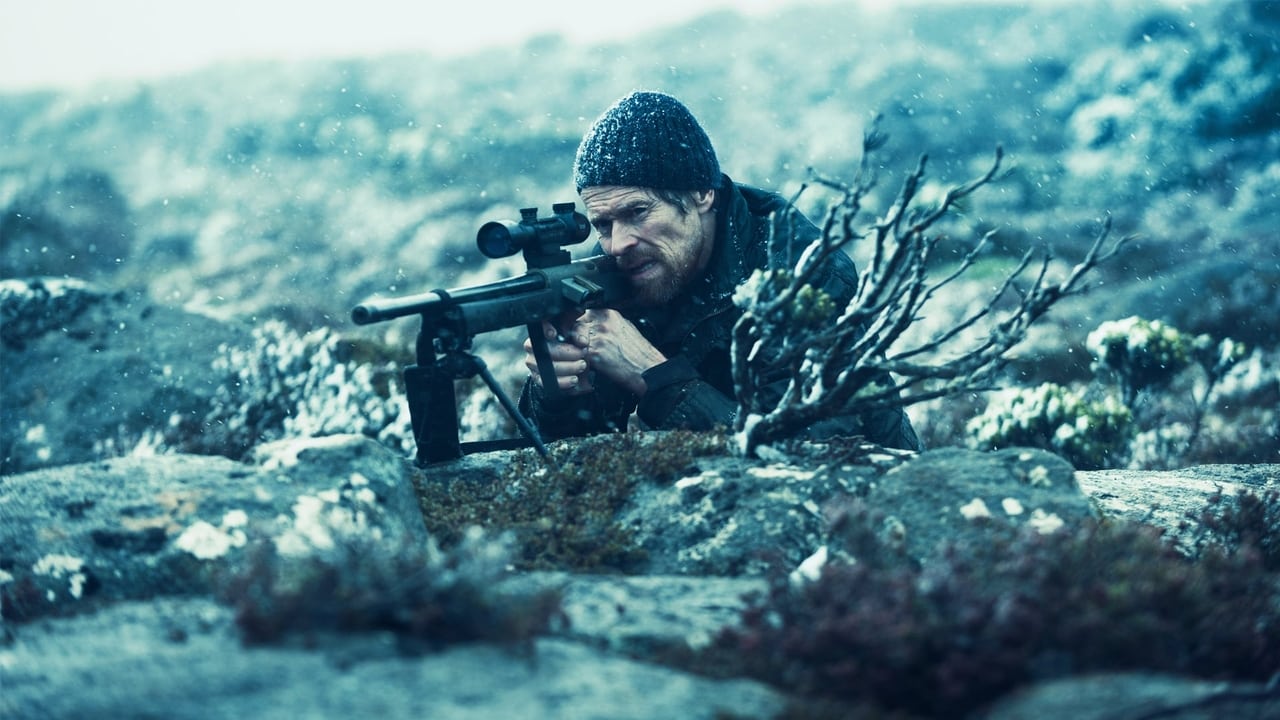
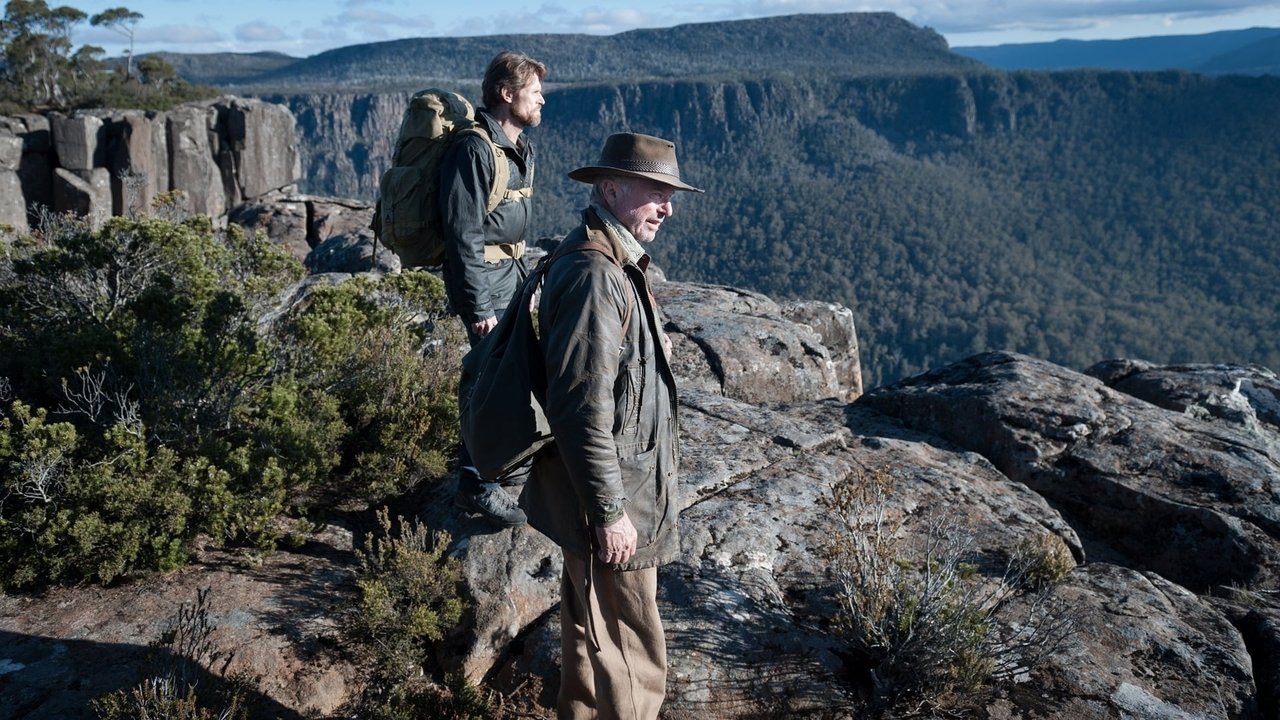
Martin is the perfect mercenary — completing missions without emotion. But staying with the local family he boards with gradually changes him. Two children waiting for their missing father. Their mother. Martin tries to keep his distance, but a relationship forms before he can prevent it. At the same time, the threats from local timber workers, and the question of what exactly he is really hunting, grow increasingly complicated. Hunting the Tasmanian tiger also means hunting something that may no longer exist. The scenes of Martin alone in the forest setting traps show the solitude, the obsession, and the process of gradually becoming tethered to this land. Sam Neill appears as a local contact, adding a sinister energy.
Direction — Tasmanian nature as the protagonist
Director Daniel Nettheim treats Tasmania’s nature as the film’s protagonist. Vast mountains and fog, primeval forest fill the screen. Within this landscape, Martin’s solitude forms naturally. The pace of the story is slow, but that slowness, working alongside the landscape, gradually builds the character’s internal transformation.
Performance — Willem Dafoe filling the screen wordlessly
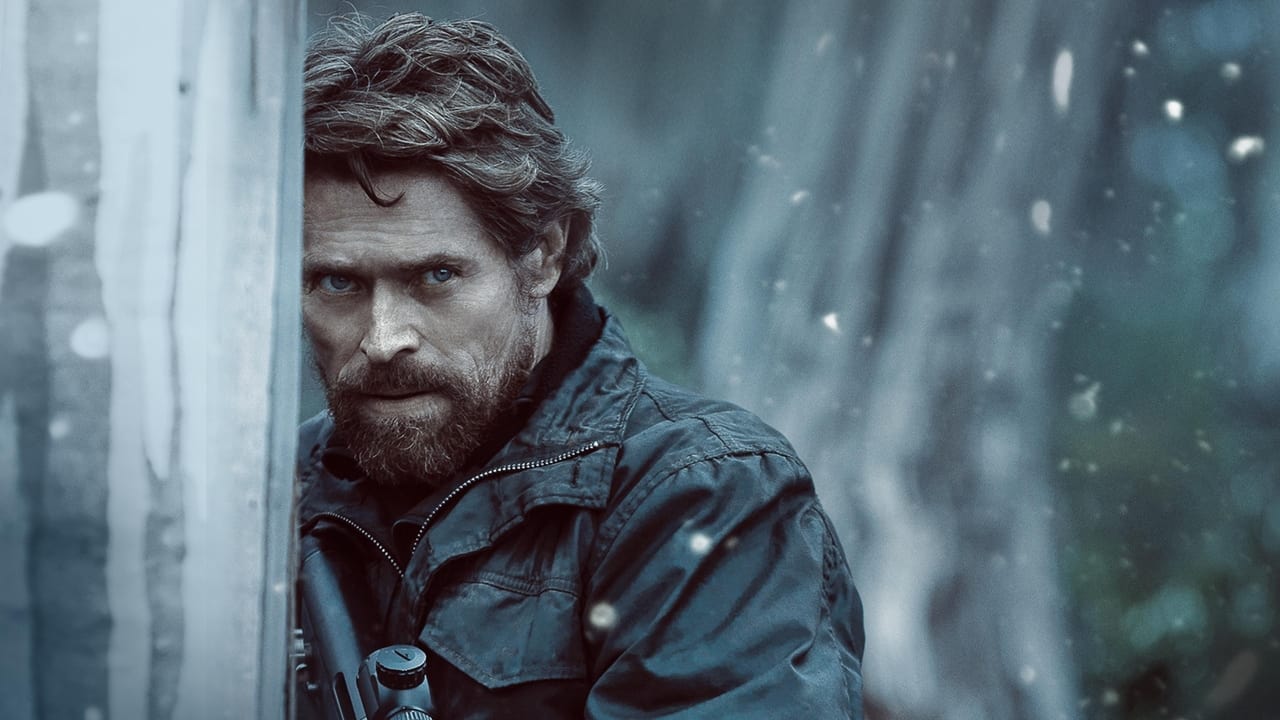
Willem Dafoe plays a character who says almost nothing. He conveys Martin’s solitude and transformation through expression and gesture, and in this kind of interior, quiet performance, Dafoe is especially strong. His presence fills the screen in the scenes of walking the forest alone or setting traps.
What the film says — Extinction, greed, and change
The premise of hunting the Tasmanian tiger becomes ultimately a story about extinction, the destruction of nature, and human greed. The company wants the DNA not to preserve the species but to monopolize it. Whether it is right for Martin to complete his mission is a question the film never directly answers. The choice Martin makes in the final scene is the film’s own answer to that question. If Martin saw this land as a strange wilderness when he first arrived, the later part of the film feels like the process of losing himself within this nature. The shift from mission-completer to someone who wants to protect this land happens quietly but unmistakably. It is based on the source novel by Julia Leigh, and is one of the most frequently cited Australian films for the beauty of its nature photography. Dafoe reportedly spent an extended period actually living in Tasmania in the wilderness to prepare for the role.
Ratings & reception
IMDb gives it 6.7 and Rotten Tomatoes gives it 72%. TMDB sits in the 6.6 range. Because of its slow pace and quiet atmosphere it did not attract major commercial attention, but there is a loyal following that highly values Willem Dafoe’s performance and the Tasmanian cinematography.
What falls short
Some of the story’s threads are not sufficiently resolved. The conflict with the local timber workers is not developed enough before it passes. The slow pace is intentional, but in the middle section it can feel somewhat tedious. ★4.0.
Verdict
A film that creates a memorable atmosphere through the combination of Willem Dafoe’s quiet and deep performance and the beautiful natural landscapes of Tasmania. Well-suited to viewers who enjoy solitary atmosphere and nature photography over fast-paced narratives. The Tasmanian tiger was officially declared extinct in 1936, after the last specimen died in captivity in an Australian zoo. The film uses this real-world tragedy as its backdrop to quietly explore the conflict between nature and commercial interest.
Recommended for
- Fans of slow dramas set in nature
- Willem Dafoe fans or viewers who prefer introverted, solitary protagonists
- Those interested in stories about endangered species, the environment, and human greed
Comments