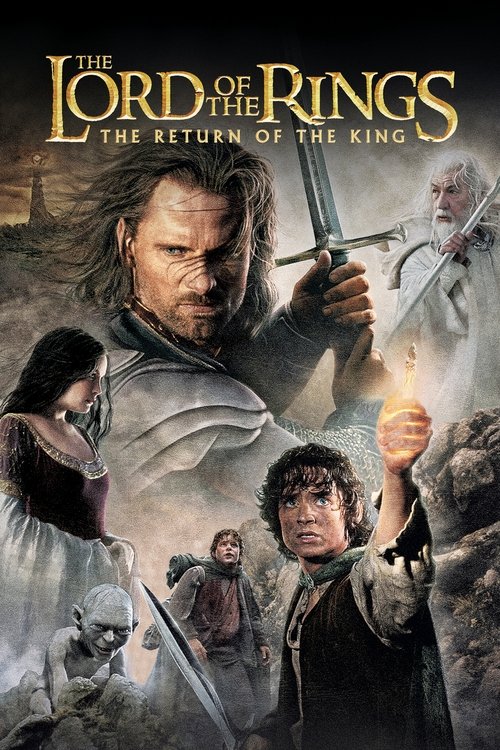
The Lord of the Rings: The Return of the King (2003)
It Is the Smallest Choices That Save the World
by 10days1movie · Published 2026-07-05
| Type | Movie |
|---|---|
| Director | Peter Jackson |
| Cast | Elijah Wood, Ian McKellen, Viggo Mortensen, Sean Astin, Andy Serkis |
| Release | 2003 |
| Genre | Adventure, Fantasy, Action |
| Runtime | 199min |
The final chapter of a trilogy has too many things it must end. The battle must be concluded, the Ring must be destroyed, the throne must be restored, and the separated must be reunited. The Return of the King handles all of this within three and a half hours without losing the most important thing — which is affection for the people who have traveled this journey to the end.
What it’s about — A finale gathering every front into one
The final entry in Peter Jackson’s trilogy, released in 2003. Frodo (Elijah Wood) and Sam (Sean Astin) follow Gollum’s guidance toward Mordor, but are endangered by Gollum’s betrayal. Aragorn (Viggo Mortensen) summons the Army of the Dead when Gondor is besieged by Sauron’s forces and leads them into battle. Gandalf (Ian McKellen) commands the defense of Minas Tirith, while King Théoden and the Riders of Rohan ride to relieve the besieged Gondor. With every front under simultaneous pressure, the film converges all these stories into a single conclusion.
Direction — The Pelennor Fields and the quiet moments
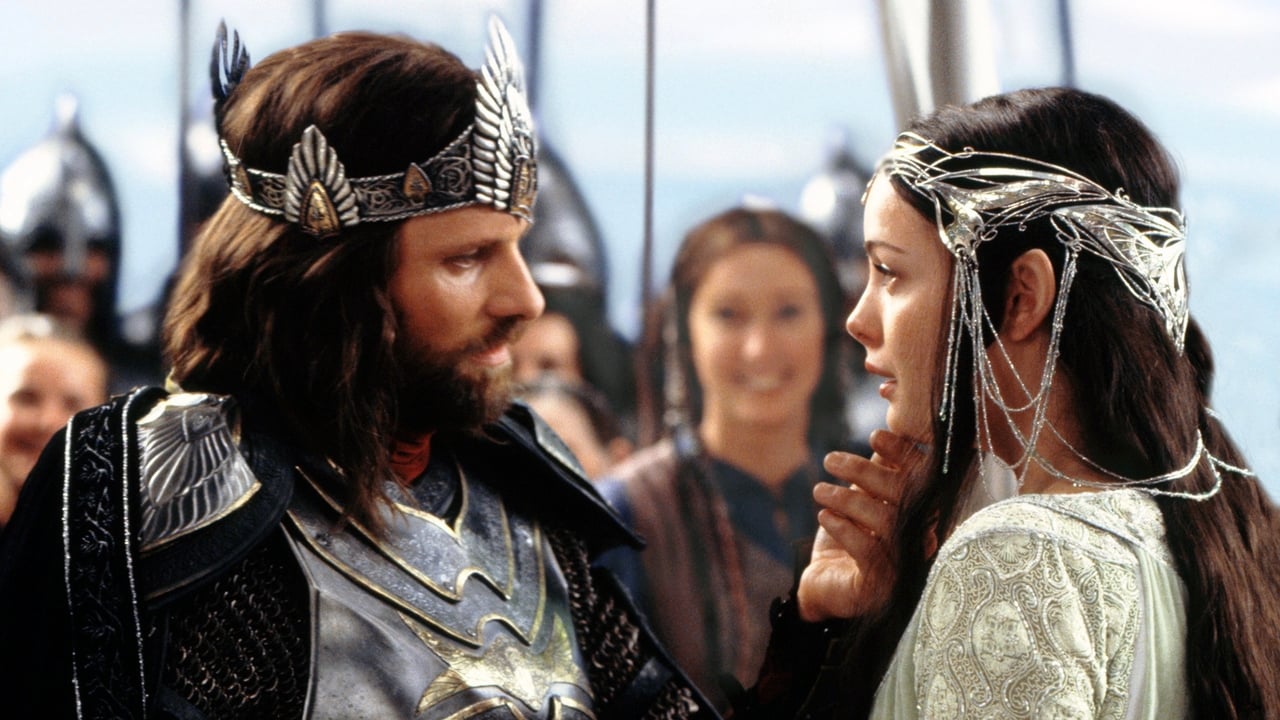
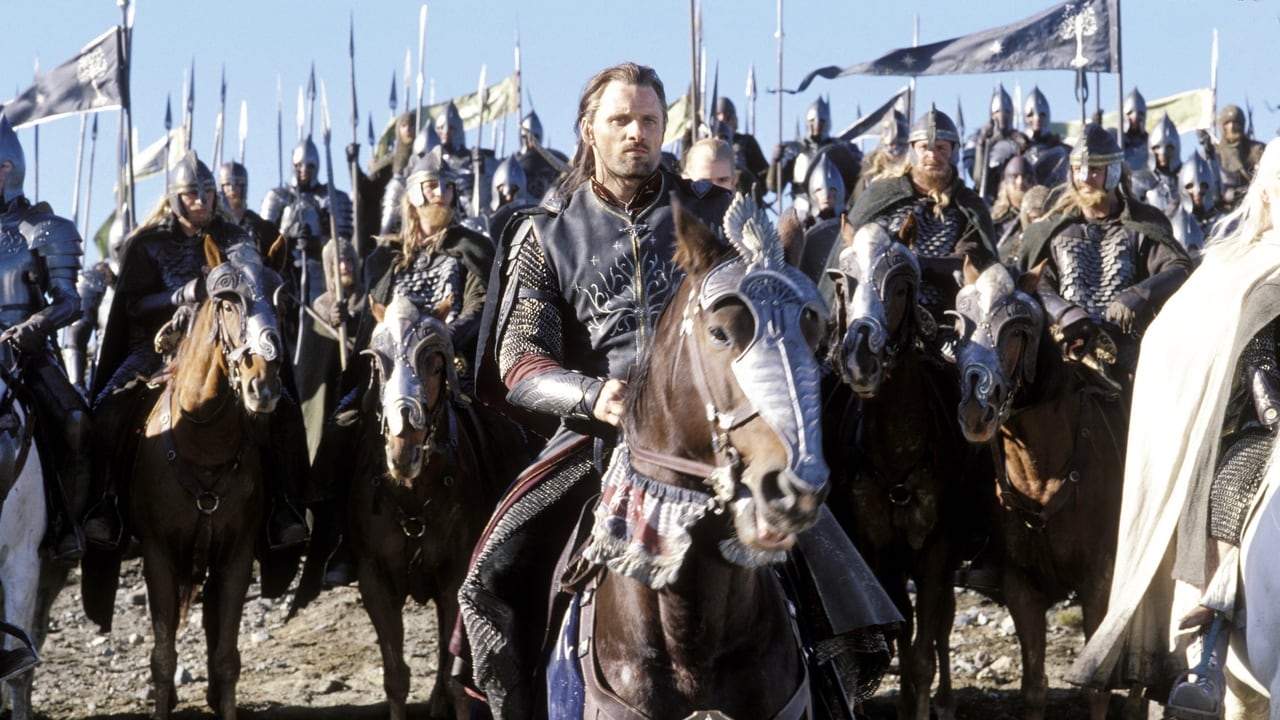
The Return of the King contains the most sweeping battle scene in the entire series — the Battle of the Pelennor Fields. The Rohirrim cresting the hill and charging down, Éowyn (Miranda Otto) facing the Ringwraith, and Aragorn appearing with the Dead consecutively elevate the scale of combat to its peak. Peter Jackson places very small, quiet moments among these vast battles. A brief exchange between Merry and Éowyn on the eve of battle. Sam looking up at the stars alone in the darkness. These small scenes bear the emotional weight of the battles. The film keeps the audience remembering that what is threatening is not the scale of the war, but the fact that these specific people might be lost.
Performance — Aragorn becoming king and a luminous Sam
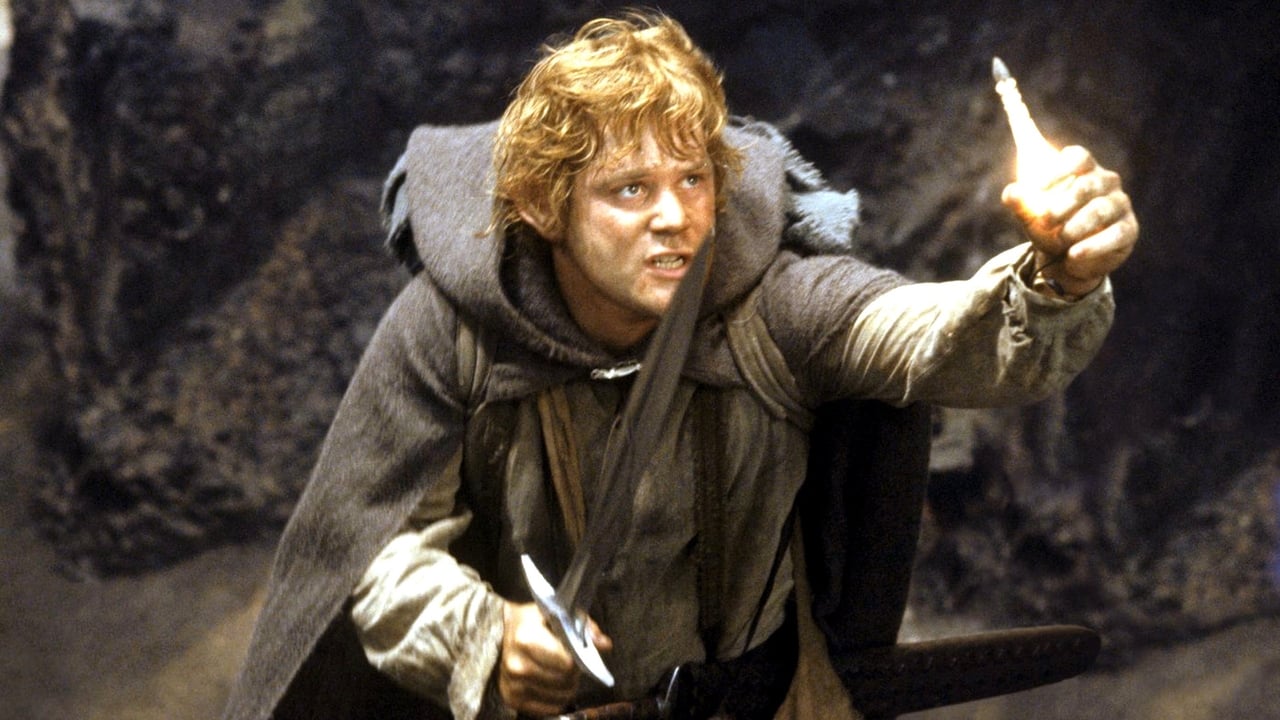
Viggo Mortensen quietly and powerfully performs the process of Aragorn fully accepting himself as king. The scene where he leads the army to the Black Gate and speaks — “May this day be long remembered by those who survive it” — naturally conveys where the character has arrived across three films. Sean Astin’s Sam shines brightest in this entry. When Frodo collapses, overwhelmed by the weight of the Ring, and Sam lifts him and carries him up the slope — that scene is one of the most enduringly remembered in the entire trilogy.
Ian McKellen’s Gandalf shows more of his role as a war commander in this entry. He conveys both the cold composure that does not waver before crisis and the warmth sent to those who sense the end is near.
What the film says — Victory does not come from power
What The Return of the King says is that great victories do not come from great power. It is a hobbit taking one step at a time that destroys the Ring — not the strength of an army. Éowyn slays the Witch-king from a position no one expected. Aragorn becomes king not through force but through choice. The film has built toward this theme across three entries, and in the final chapter opens it through each character in their own way.
The multiple farewell scenes following the conclusion may feel drawn out. But given the emotion that has accumulated through three films for these characters, each of those farewells feels necessary one by one. The final scene of the ship departing from the Grey Havens stays in memory long after — as a reminder that all journeys are headed somewhere.
Ratings & reception
TMDB gives it 8.5. On IMDb it holds 9.0, placing it among the highest-rated films of all time. Rotten Tomatoes gives it 94%. At the 2004 Academy Awards it swept all 11 categories in which it was nominated — including Best Picture and Best Director. This sweep is a tied record in Academy history, previously held only by Ben-Hur and Titanic.
What falls short
The multiple stacking ending scenes may make the final sequence feel indeterminate to some viewers who aren’t sure when it will actually end. The handling of Frodo and Gollum on Mount Doom — which differs from the source novel — has also been a long-running subject of debate among fans.
Verdict
The most complete conclusion of the three films. An experience where the scale of battle and the depth of feeling simultaneously reach their peak. Rating: ★4.5. If you have come from the first film all the way here, this ending will more than justify the time spent.
Recommended for
- Viewers who want to complete the trilogy and see its ending
- Anyone wanting large-scale battle sequences and quiet character drama together
- Those curious about the film that won all 11 of its Academy Award categories
Comments