
The Owl (2022)
The Darkest Night in Joseon, Witnessed by a Blind Acupuncturist
by 10days1movie · Published 2026-08-14
| Type | Movie |
|---|---|
| Director | Ahn Tae-jin |
| Cast | Ryu Jun-yeol, Yoo Hae-jin, Choi Moo-sung, Jo Sung-ha, Park Myung-hoon |
| Release | 2022 |
| Genre | Thriller, Mystery, History |
| Runtime | 118min |
Blind by day, able to see in darkness. This unusual premise is what makes The Owl possible as a film. Director Ahn Tae-jin’s debut feature — a historical thriller — reconstructs the mysterious death of Prince Sohyeon through an original and inventive lens. My rating is ★4.0.
What it’s about — A death seen by an acupuncturist who can only see at night
Joseon, during the reign of King Injo. Joo Kyung-su (Ryu Jun-yeol) is an acupuncturist who cannot see in daylight but regains his sight once night falls. That singular setup determines everything in this film. Admitted to the royal court as a medical attendant, he witnesses the death of Crown Prince Sohyeon one night. The prince’s mysterious death in 1645 is a genuine unsolved case in Korean history, and the film fills that historical blank with this one-of-a-kind witness’s perspective. But he cannot testify about what he saw. His identity as a blind man — someone who cannot see in daylight — fetters him entirely. Knowing the truth yet being unable to speak it is the engine of tension throughout the film.
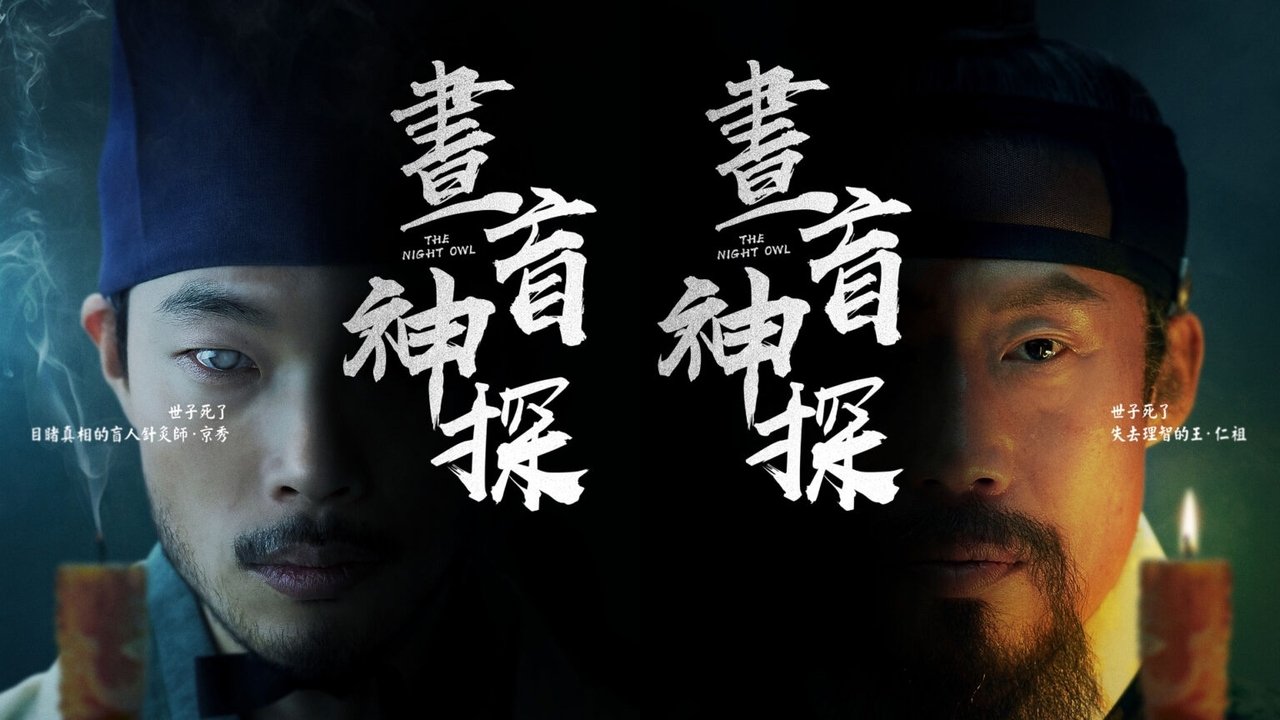
Direction — The contrast of blurred days and sharp nights
Ahn Tae-jin actively incorporates the premise of Kyung-su’s visual ability into the direction. Daytime scenes are blurry and bright; nighttime scenes are dark but sharp. That contrast is tied to the protagonist’s inner state — by day he knows the truth but cannot see; by night he must move while risking everything. This setup is reflected across the film’s entire structure. The use of the confined palace space to build tension is effective, and the way the film fills historical fact with appropriate fiction is convincing. While following the grammar of commercial cinema faithfully, the originality of the premise stands out.
Performance — The clash between Ryu Jun-yeol and Yoo Hae-jin
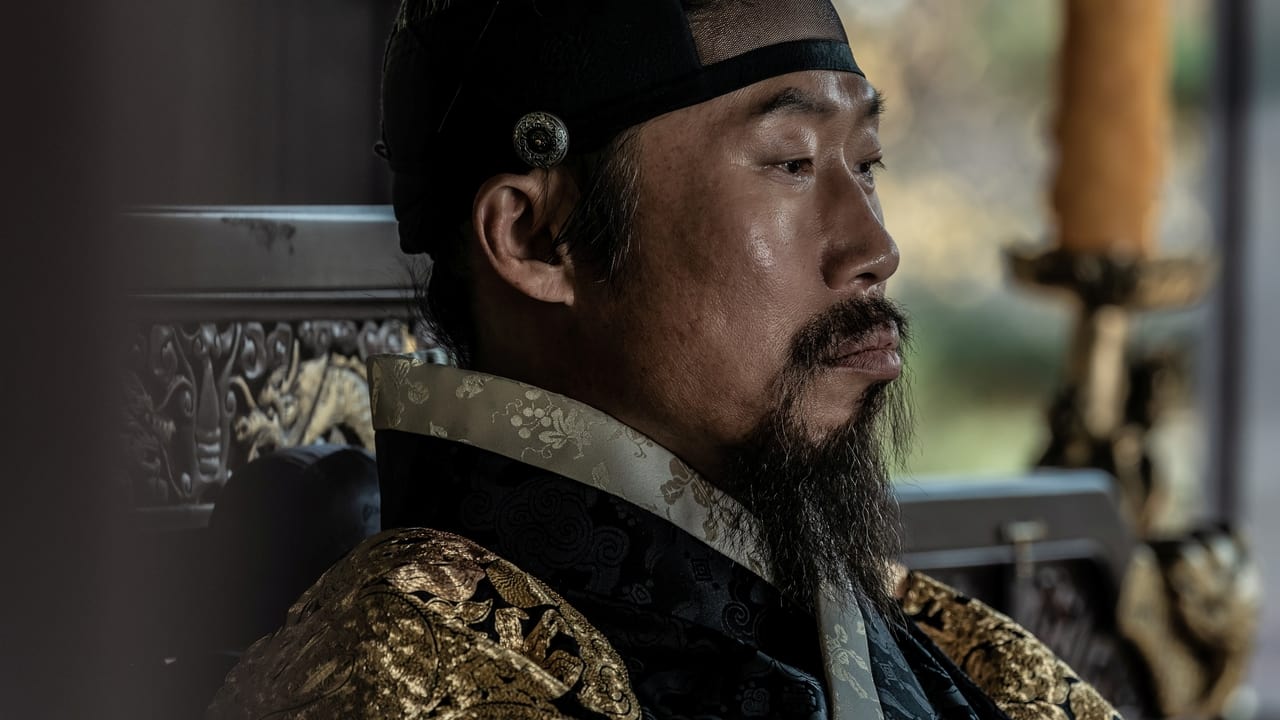
Ryu Jun-yeol builds Kyung-su — fragile yet unwilling to give up — from the inside out. His acting holds fear and determination simultaneously without exaggeration. The subtle emotional shifts as Kyung-su navigates the tension between the limits of his station and the weight of knowing what he knows are rendered with delicacy. Yoo Hae-jin’s King Injo is drawn not as a simple villain but as a king consumed by his own fear and obsession. The confrontation between the two characters is the film’s central axis.
What the work says — The one who knows the truth yet cannot speak it
This film is about the ethics of witnessing and of silence. What happens when a person who knows the truth cannot speak it? Within the power structure of Joseon, truth is danger itself. The film shows how narrow the choices available are to someone of low status, living with a disability, who has come to know what he should never have known. The decision Kyung-su makes at the film’s climax forms its core, and the fact that his choice is not simply a matter of bravery but an existential decision between survival and morality is what lifts this beyond a straightforward historical thriller.
Ratings & reception
TMDB scores it 7.3. IMDb gives it 6.7, and domestic Korean reception was positive. The film received attention in multiple categories at the 2022 Korean Film Awards and was praised for its polish as a directorial debut. It earned wide acclaim for bringing an original premise to the historical thriller genre.
What doesn’t quite work
Without some prior knowledge of the historical background, it can be difficult to grasp the weight of character relationships and events. The climax in the second half feels a bit rushed, and the motivations of some supporting characters are not fully explained. The internal logic of the premise — blind by day, sighted by night — occasionally loosens.
Verdict
The Owl is a well-crafted entry that brings a fresh premise to the Korean historical thriller genre. It succeeds in building an original story from a genuine historical mystery, and the performances of Ryu Jun-yeol and Yoo Hae-jin underpin the film’s quality. For a debut feature, the genre execution is impressively refined, and the film shows convincingly that the source of tension in a historical thriller need not be spectacular action but the dilemma of a character who knows the truth yet cannot say it. Prince Sohyeon’s death is one of the real unsolved cases in Korean history, and this film fills that gap creatively.
Recommended for
- Fans of historically-grounded thrillers
- Those interested in Korean films with original premises
- Viewers who enjoy Ryu Jun-yeol’s performances
Comments