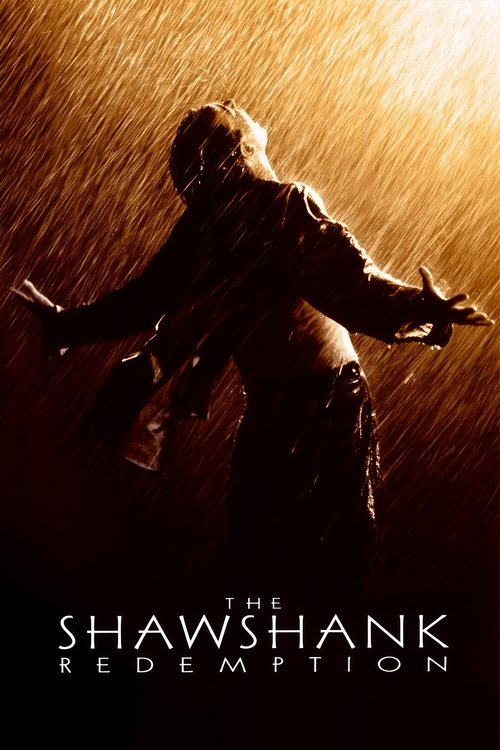
The Shawshank Redemption (1994)
Hope Is the Best Thing, and a Good Thing Never Dies
by 10days1movie · Published 2026-06-07
| Type | Movie |
|---|---|
| Director | Frank Darabont |
| Cast | Tim Robbins, Morgan Freeman, Bob Gunton |
| Release | 1994 |
| Genre | Drama, Crime |
| Runtime | 142min |
The number-one film on IMDb — and it has held that position since 2008. My rating is ★5.0. The Shawshank Redemption wears the skin of a prison movie while spending every one of its 142 minutes quietly proving what the strongest force in a human being actually is. It’s one of those rare films that makes you well up at the same moment whether you’re watching it for the first time or the tenth.
What it’s about — A wrongly convicted banker’s quiet resistance
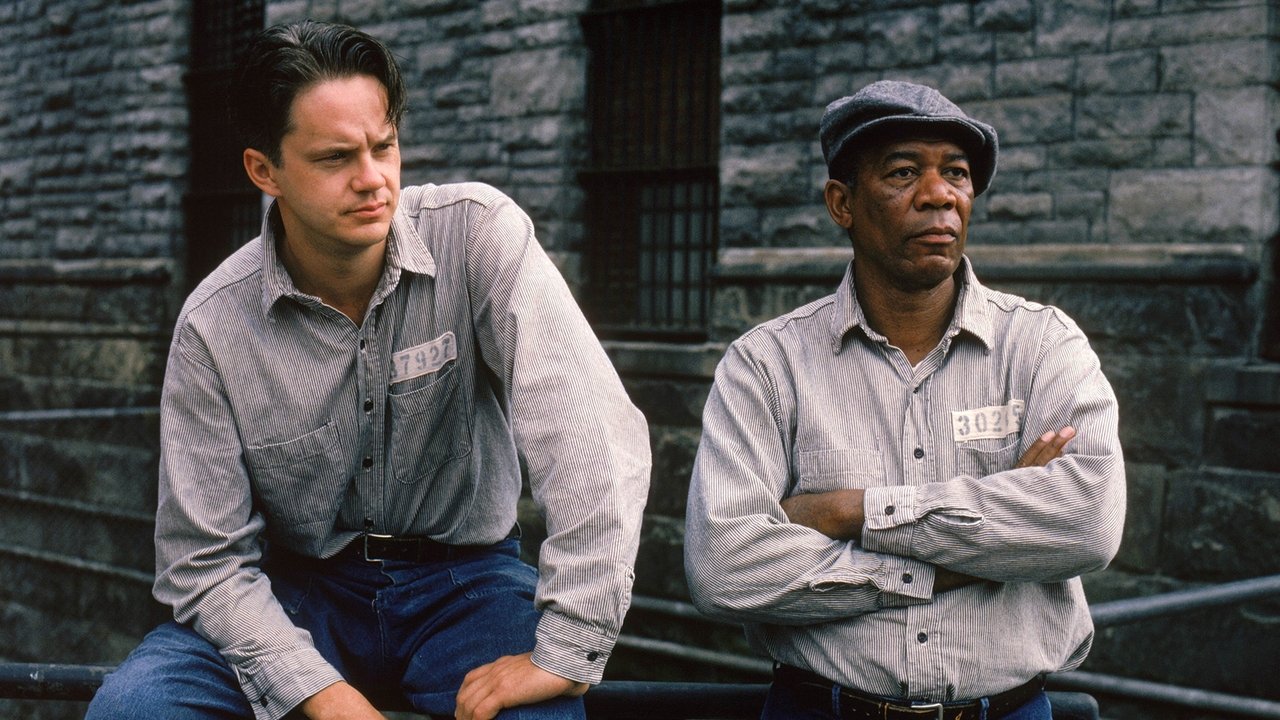
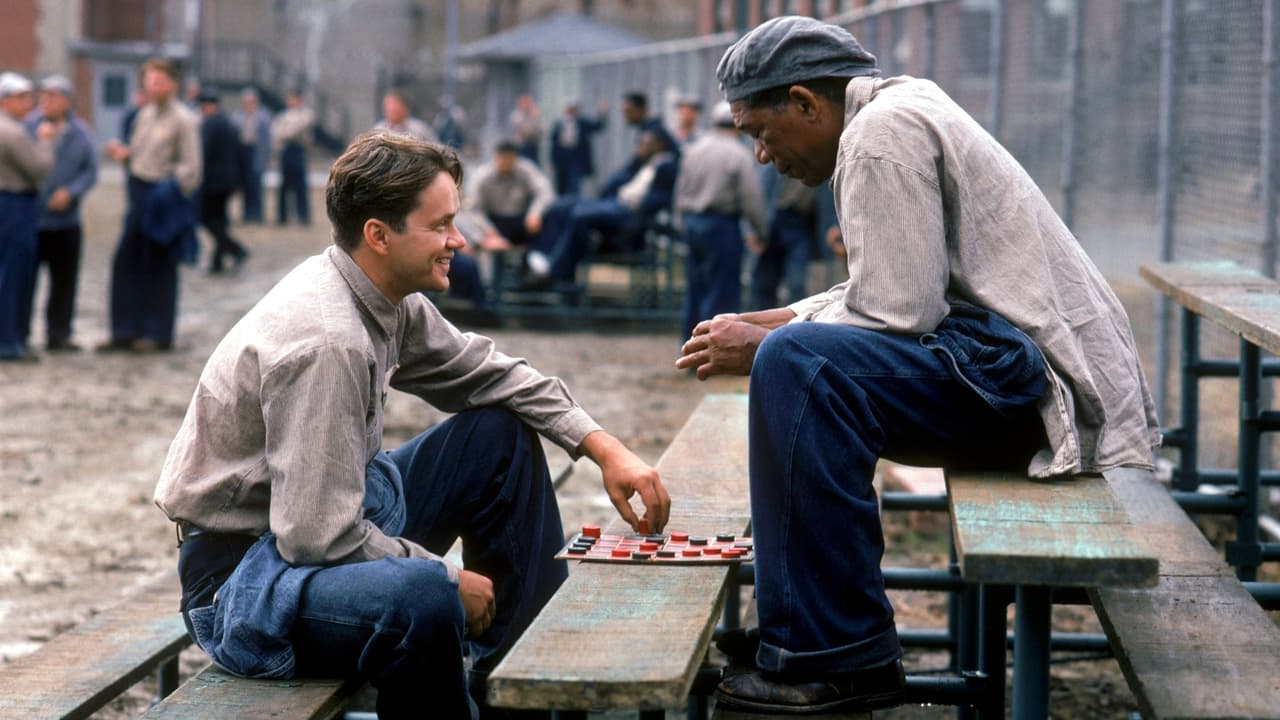
In 1947, banker Andy Dufresne (Tim Robbins) is sent to Shawshank State Penitentiary for the murder of his wife and her lover — a crime he insists he didn’t commit. The prison is run by a corrupt warden, Norton (Bob Gunton), and held together by violence and exploitation. Rather than surrender to despair, Andy chooses a form of quiet resistance: he builds a library, shares a stubborn sense of hope with the men around him, and over the course of nearly two decades prepares an escape no one sees coming. His closest companion is Red (Morgan Freeman), the prison’s resourceful fixer and narrator. The story belongs to both of them equally, and their friendship is its backbone.
Direction — A way of not saying hope outright
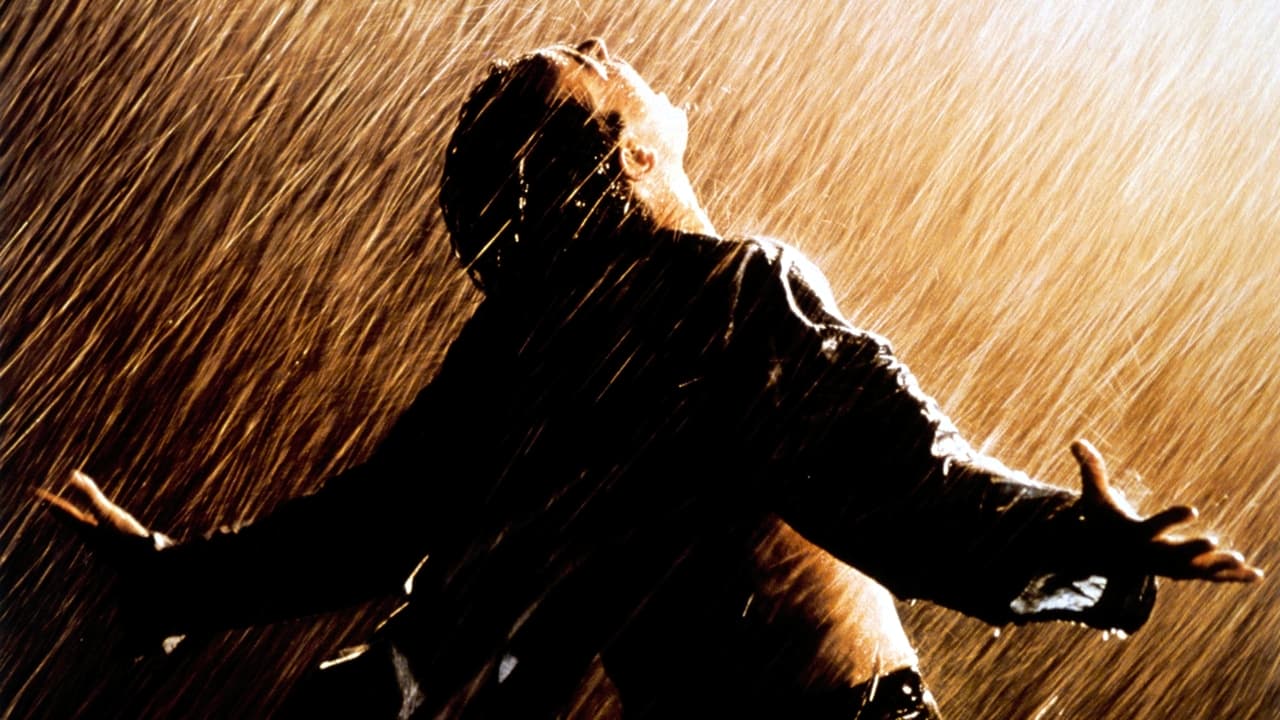
Frank Darabont adapted the film from a Stephen King novella, but the result surpasses its source in cinematic terms. What’s most striking about his direction is the restraint: he never states his theme out loud. Instead he builds it scene by scene, in concrete images. Andy commandeers the prison’s PA system to play a Mozart aria, and for a few minutes every inmate in the yard stands still and stares at the sky. He writes letters for six years straight until the state finally sends library funding. He crawls through five hundred yards of sewage pipe to emerge in a downpour with his arms thrown wide. None of these moments require a monologue. They show you what hope looks like in a body — not as an idea, but as an act.
The film contains one of cinema’s most quoted lines: “Fear can hold you prisoner. Hope can set you free.” Out of context it sounds like a bumper sticker. After two hours in Shawshank’s world, with everything Andy has done already in your bones, it hits entirely differently. Darabont earns the sentiment by making you feel it before he says it.
Performance — Tim Robbins and Morgan Freeman
Tim Robbins plays Andy at a near-constant simmer. He almost never raises his voice, almost never breaks composure — and that control reads as eerie at first, until the film’s final act reveals it for what it is: the discipline of a man who has been surviving on patience and precision for twenty years. Robbins holds that compressed energy without a crack from the opening scenes to the last.
Morgan Freeman’s Red is the film’s second heart. His narration gives the movie its steady, unhurried pulse, and his arc — from a man who calls hope “a dangerous thing” to one who walks toward it — is the emotional journey that lands the ending. A Rotten Tomatoes critic noted it precisely: Freeman takes a character type we think we’ve seen a hundred times and makes him feel like an entirely new creation. That’s not a small achievement.
Ratings & reception
The numbers are remarkable. On IMDb, more than three million users have rated the film 9.3 out of 10, and it has occupied the top spot on the IMDb Top 250 since 2008 — a run of nearly two decades at number one. Rotten Tomatoes gives it 89% from 146 critics and a 98% audience score.
That reception didn’t come immediately. The film flopped at the box office in 1994, barely recouping its production budget. It received seven Academy Award nominations — including Best Picture — and won none of them in a year when Forrest Gump and Pulp Fiction were its competition. The turnaround came through home video, where word of mouth built slowly and then overwhelmingly. It’s now one of the clearest examples in film history of a work that the public decided to rescue from critical and commercial indifference.
Verdict
What makes The Shawshank Redemption durable isn’t that it tells a moving story — plenty of films do. It’s the way the story is told: economical direction that never oversells a scene, two lead performances working in perfect register, and an absolute refusal to offer hope cheaply. Different moments hit you differently each time you return. That’s why it stays at number one. Hence ★5.0.
Recommended for
- Anyone looking for a story of friendship that stays with you for years
- Viewers who prefer slow-burning, earned emotion over spectacle
- Anyone who wants to understand what “greatest film ever made” actually means
Comments