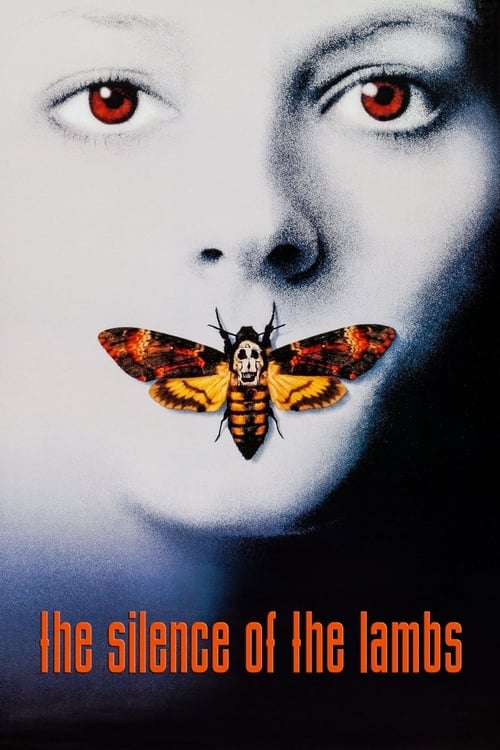
The Silence of the Lambs (1991)
The Horror Comes from Beyond the Cell
by 10days1movie · Published 2026-07-02
| Type | Movie |
|---|---|
| Director | Jonathan Demme |
| Cast | Jodie Foster, Anthony Hopkins, Scott Glenn, Ted Levine, Anthony Heald |
| Release | 1991 |
| Genre | Crime, Thriller, Drama |
| Runtime | 118min |
The premise is lean: an FBI trainee must seek the help of one serial killer to catch another. Yet this film does not consume that premise as a simple whodunit. The Silence of the Lambs sustains the psychological tension between two people exchanging information across two full hours, showing that horror can emerge not from a shadowy setting or a sudden shock but from a single sentence, a single look.
What it’s about — Asking a killer to catch a killer
Directed by Jonathan Demme in 1991, the film follows FBI trainee Clarice Starling (Jodie Foster) as she hunts serial killer Buffalo Bill. For leads, she begins interviewing incarcerated psychiatrist and cannibalistic killer Hannibal Lecter (Anthony Hopkins). Lecter does not offer information without a price. He probes the weakest place in Clarice’s memory, and she endures those conversations while gathering clues. It is a thriller, and simultaneously a psychological drama of two characters reading each other.
Direction — The pressure created by head-on close-ups
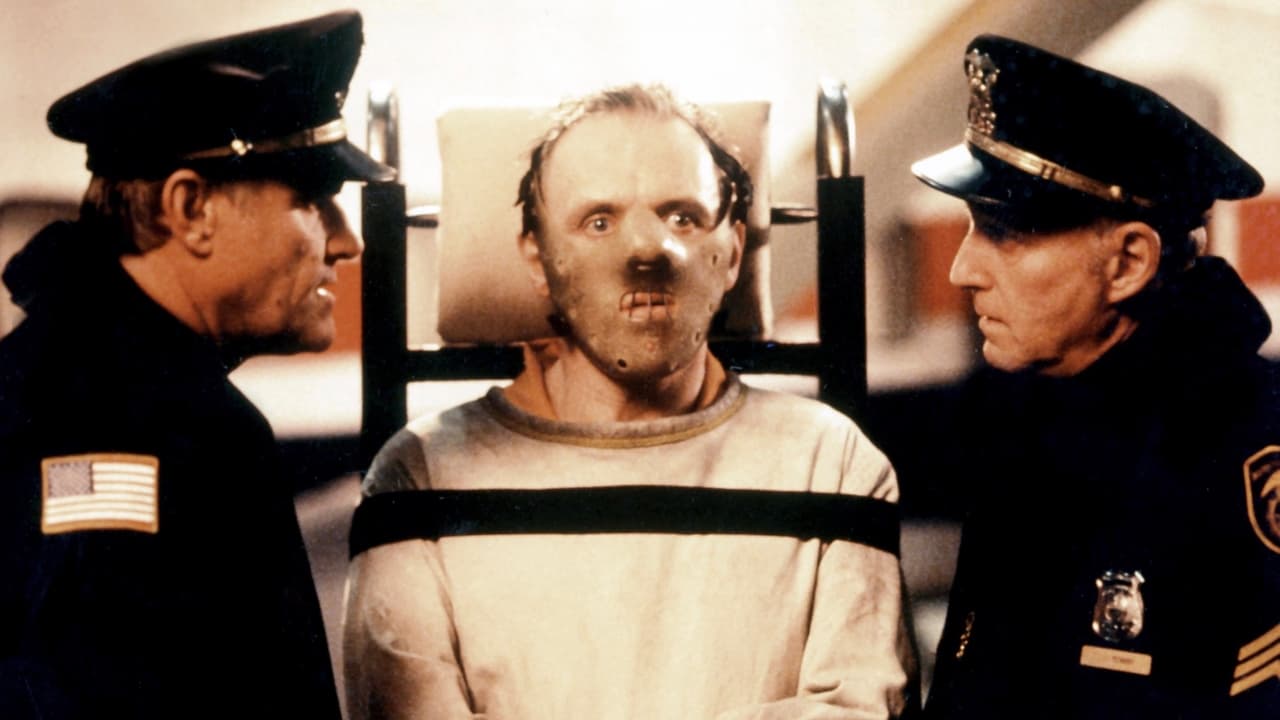
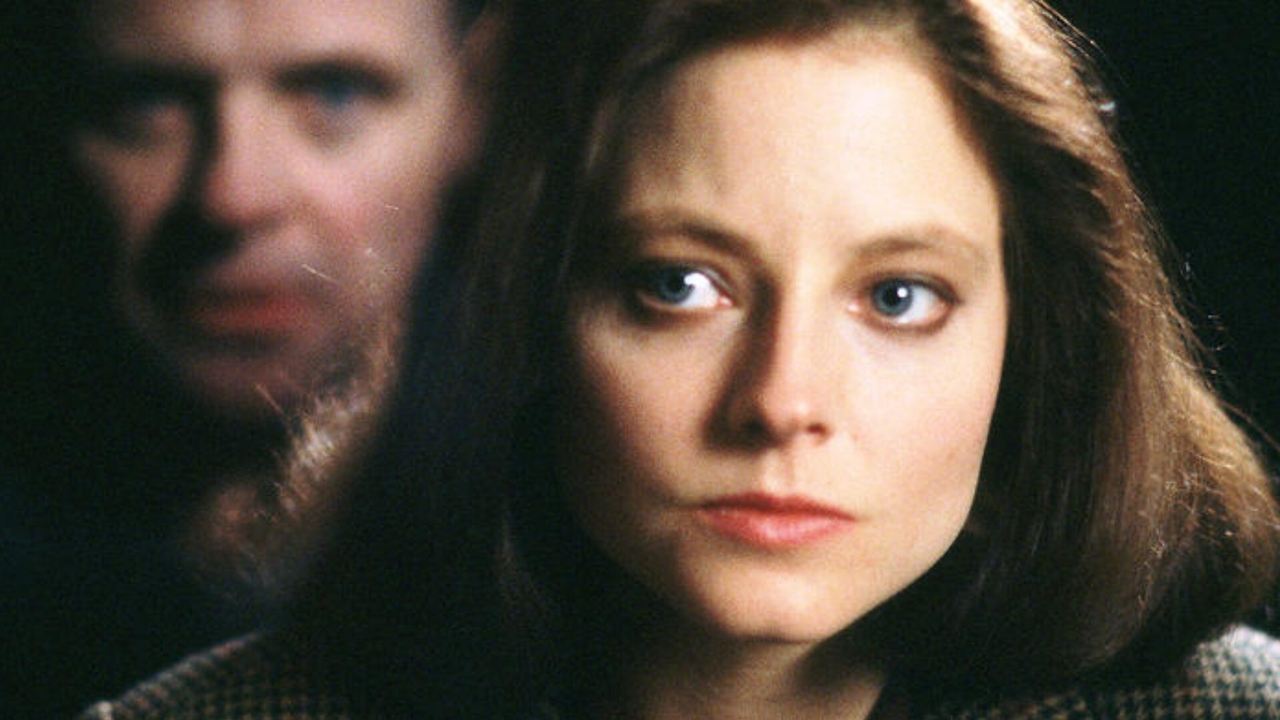
Jonathan Demme uses close-ups with unusual frequency in this film. Especially in the scenes where Clarice and Lecter speak, the camera fills the frame with each actor’s face and shoots directly into it — as though the actor is looking at the audience. That framing places the viewer in Clarice’s seat. When Lecter says something, the audience receives his gaze head-on. Direction that creates tension through two faces and two voices alone, without relying on setting or set design.
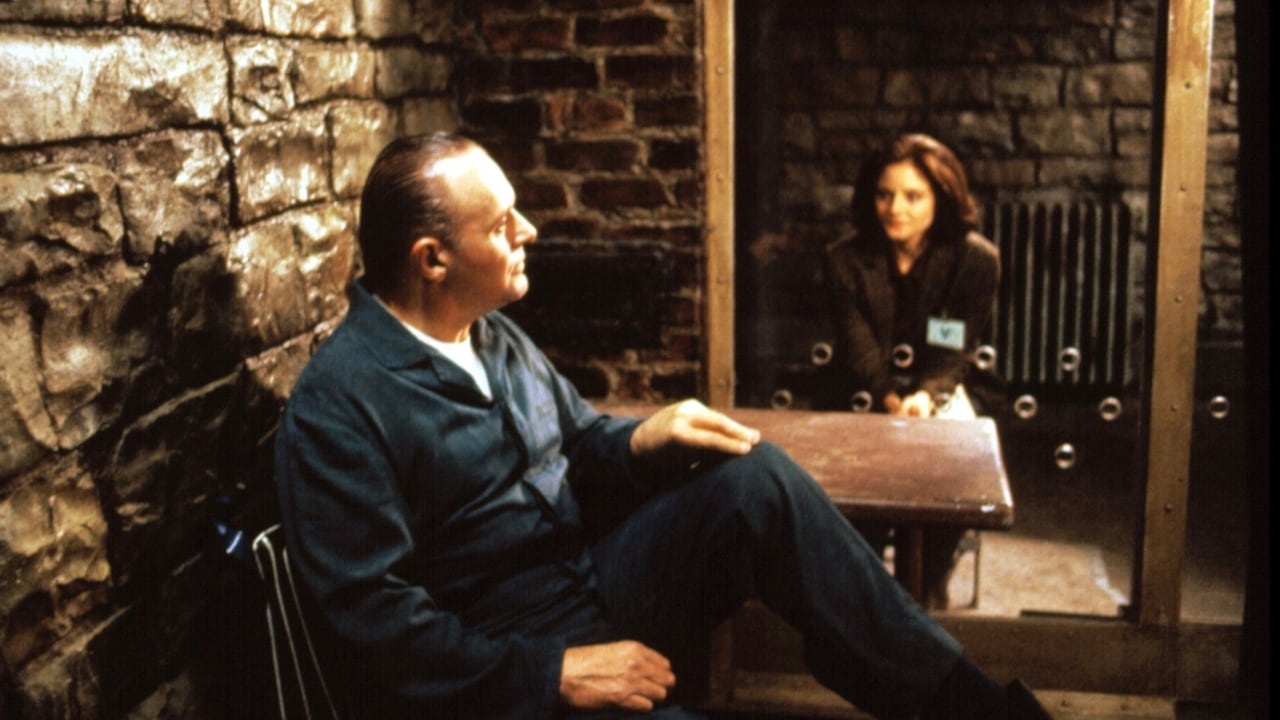
Lecter’s cell is structured so it can only be approached through glass, and there are moments when it is ambiguous whether that glass is a protective barrier or a display case. Each time Clarice enters, the boundary operates with a slightly different meaning. Demme repeatedly returns to this simple space while gradually shifting what it means.
Performance — Hopkins, who won an award with 24 minutes
Anthony Hopkins is on screen for approximately 24 minutes. From that brief appearance he won the Academy Award for Best Actor. Hopkins builds Lecter through the pitch and pace of his voice and the movement of his eyes alone. He does not shout or use exaggerated gestures. Instead, within extreme restraint, he creates the most unsettling sensation. The moment Lecter precisely locates the most personal memory in Clarice’s past outlasts any scene from a horror film.
Jodie Foster maintains an equal and opposite balance. Clarice is a trained agent and simultaneously a newcomer with much to prove. Foster plays both things at once. Her visible effort to keep from cracking in Lecter’s presence is believable, and as that effort accumulates the character gains depth.
What the film says — Self-proof in confronting trauma
The title comes from a slaughter of lambs that Clarice witnessed as a child. That memory is the most vulnerable part of her she reveals to Lecter. Beneath the surface story of hunting a killer, the film runs a parallel story of a person confronting her own trauma. Clarice catching Buffalo Bill is both the solving of a crime and simultaneously an act of proving herself somewhere.
The way the film handles Buffalo Bill as a villain is also worth noting. He is drawn not as a simple instrument of horror but as an entity with a deeply twisted inner life. A sense of something incomprehensible and sad flows alongside the revulsion his actions generate. The fact that the film resists making its villain an absolute monster is precisely what makes it land more heavily.
Ratings & reception
TMDB scores it 8.3 out of 10. IMDb gives it 8.6, placing it among the all-time upper tier, and Rotten Tomatoes gives it 95%. At the 1992 Academy Awards it won in five categories: Best Picture, Best Director, Best Actor, Best Actress, and Best Adapted Screenplay. A genre film taking the top prize at the Oscars is exceedingly rare. Critics at the time said this film redefined how far genre cinema could go.
What doesn’t quite work
There are moments when the Buffalo Bill narrative feels lighter than the Lecter interview scenes. The Lecter encounters are so intense that the actual investigative thread appears somewhat subordinate by comparison. It does not rise to a level that harms the film’s quality, but the imbalance in weight between the two axes is not absent.
Verdict
Films that sustain this level of density within under two hours are rare. The scenes of Lecter and Clarice seated across from each other became a benchmark for the thriller genre for decades to come. My rating is ★4.5. For anyone who wants both genre pleasure and psychological depth simultaneously, this is a film that feels solid even today.
Recommended for
- Those who enjoy psychological thrillers that hold tension without action
- Those who appreciate intense actor-versus-actor performance
- Those more interested in character study than crime procedural
Comments